
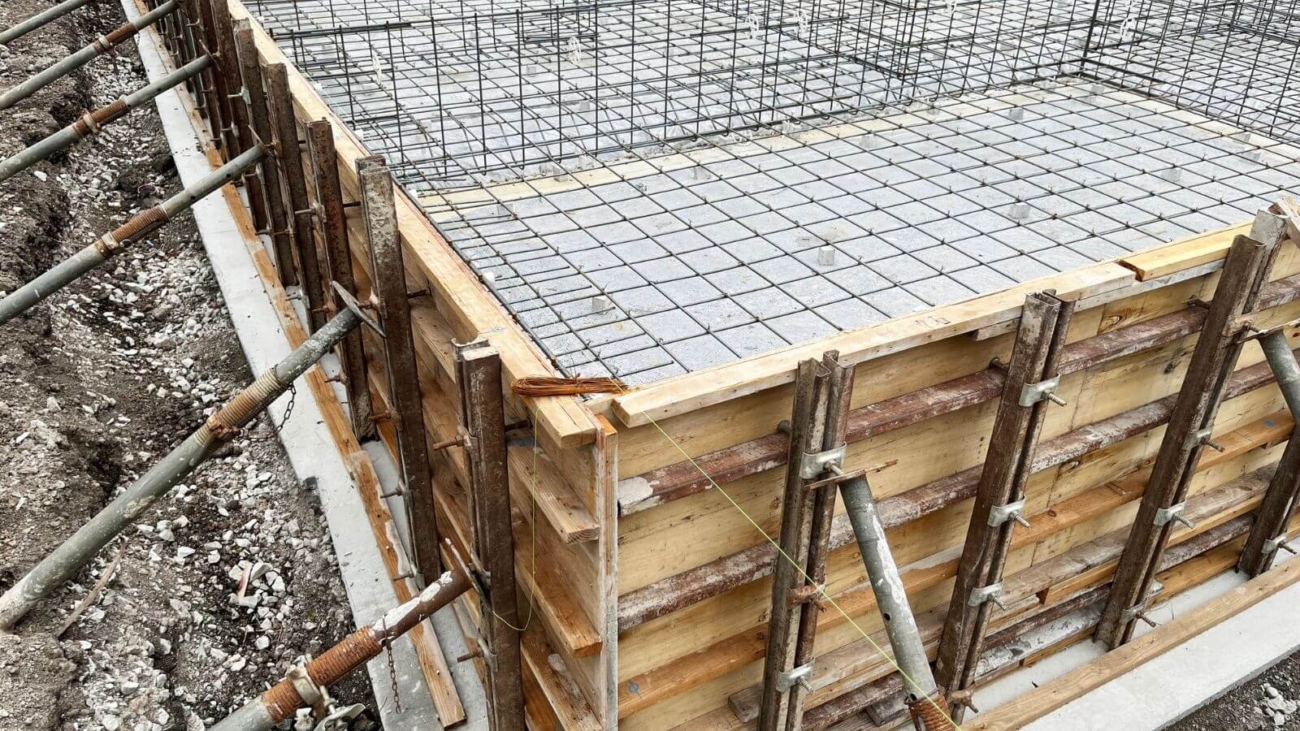
Most homeowners put a lot of thought into choosing the right shed — the size, the style, the color. But the foundation? That part often gets rushed or skipped altogether. The five most common shed foundation mistakes are: building on unlevel or unprepared ground, ignoring drainage, choosing the wrong foundation type, sizing it incorrectly, and skipping a solid perimeter border. Each of these can quietly ruin a shed over time, leading to rot, shifting, and expensive repairs that could have been easily avoided.
If you’re planning to install a shed in your backyard, knowing what not to do is just as important as knowing what to do. Let’s break down each mistake in detail so you don’t have to learn the hard way.
Mistake 1: skipping ground preparation entirely
Skipping ground prep is the fastest way to destroy a shed foundation. Without proper site preparation — clearing vegetation, removing topsoil, compacting the subgrade — the ground beneath the shed will shift, settle unevenly, and eventually cause the whole structure to lean or warp.
A lot of homeowners figure they can just set a shed on grass or bare dirt and call it done. It might look fine for the first year. But once rain soaks in, organic material under the shed starts to decompose, and the ground begins to settle at different rates in different spots. Before you know it, the floor is no longer level, the doors won’t close properly, and the framing starts to rack.
The right approach: strip all organic material from the site, dig down 4 to 6 inches, compact the subbase, and then build your foundation on top of that. This step alone eliminates a huge percentage of long-term problems. Companies like Site Prep LLC specialize in exactly this kind of groundwork — and it’s the kind of prep that most DIYers underestimate until they’re already dealing with the consequences.
Mistake 2: not accounting for drainage
Poor drainage is one of the leading causes of shed foundation failure. If water has nowhere to go, it pools around and under the shed, erodes the soil, and invites rot, mold, and pest problems. The fix is to make sure your foundation sits above the surrounding grade and that water actively drains away from the structure.
This is a mistake that catches a lot of people off guard because it doesn’t show up right away. You build the shed, it looks great, and then you have a couple of heavy rainstorms. Water starts collecting along the base. The gravel pad, if there is one, becomes saturated. Moisture wicks up into the floor joists and starts working on the wood.
A few things you can do to avoid this:
- Choose a naturally elevated spot in your yard — avoid low areas where water already tends to collect
- Use a gravel bed at least 4 inches deep beneath the foundation to promote drainage
- Lay landscape fabric before adding gravel to prevent soil migration into the stone layer
- Make sure the finished foundation sits at least 2 to 3 inches above the surrounding ground level
- Slope the grade around the shed slightly away from the structure on all sides
If your yard has serious drainage challenges, this is a good time to consult a professional before you build. Fixing drainage after the fact is far more complicated and costly than doing it right from the start.
Mistake 3: choosing the wrong foundation type for the shed
Not every foundation works for every shed. Using the wrong type — like hollow cinder blocks under a heavy workshop shed, or a simple gravel pad where the soil is clay-heavy and prone to shifting — leads to an unstable structure that degrades faster than expected.
Here is a quick overview of the most common foundation types and where they actually make sense:
| Foundation type | Best for | Watch out for |
| Gravel pad | Small to medium sheds, good drainage areas | Needs proper compaction and edging to hold shape |
| Concrete slab | Large or heavy sheds, permanent structures | Requires permits in many areas, higher upfront cost |
| Pressure-treated skids | Small sheds, relatively flat ground | Not ideal for clay soils or high-moisture environments |
| Pier and beam | Sloped yards, uneven terrain | More complex to build, requires careful leveling |
| Concrete blocks | Small, lightweight sheds on flat ground | Avoid hollow blocks — they crack under weight over time |
The key variables to consider are shed size, total weight when fully loaded, soil type, and local climate — especially freeze-thaw cycles. In areas with cold winters, foundations that aren’t set below the frost line can heave and shift dramatically when temperatures drop. This is a common problem with simple block foundations in the northern states.
Mistake 4: getting the foundation size wrong
The foundation should match the shed’s footprint exactly — or ideally extend just slightly beyond it. A foundation that’s too small creates stress points where the shed overhangs unsupported material. One that’s too large creates open areas where water can pool right at the base of the structure.
This sounds simple, but it’s surprising how often people get this wrong. Sometimes it’s a measuring error. Other times it’s an attempt to save a little money on materials. Either way, the result is the same: an unevenly supported shed that develops floor problems faster than it should.
The general recommendation from most contractors is to match the foundation exactly to the shed’s dimensions, and then extend the gravel pad or treated perimeter about 6 inches on all sides. That extra margin gives you a clean edge, keeps gravel contained, and provides a little buffer zone around the base. Use a tape measure and double-check everything before you start digging or laying material — guessing is never a good idea here.
Mistake 5: skipping a perimeter border
Without a solid perimeter border around the foundation, gravel migrates into the lawn, soil shifts inward over time, and the foundation slowly loses its shape and integrity. A pressure-treated wood border — ideally 4×6 or 6×6 lumber rated for ground contact — keeps everything locked in place for years.
This is probably the most overlooked step in DIY shed foundation work. People put in the gravel, set the shed, and figure they’re done. But without a contained perimeter, that gravel doesn’t stay put. Foot traffic around the shed kicks it out. Lawn mowing sends it flying. Rain slowly pushes soil in from the edges. After a few seasons, the foundation that looked solid has lost several inches of gravel depth and the whole thing starts to sag.
A proper perimeter does three things: it holds the gravel in place, it acts as a retaining wall on sloped sites, and it defines a clear edge between the foundation and the surrounding landscaping. Drive rebar through the corners to anchor the lumber to the ground, and use corrosion-resistant screws at the joints. This is a small investment that makes a big difference in how long the foundation holds up.
When it’s worth calling a professional
For most small backyard sheds, a motivated homeowner can handle the foundation work themselves if they’re willing to do it properly. But there are situations where bringing in a pro is the smarter move.
If your yard has poor drainage, significant slope, heavy clay soil, or you’re building a large shed intended as a workshop or garage — get professional help with the site preparation. Mistakes at this stage are the hardest and most expensive to fix after the fact. The residential excavation company Site Prep has handled this kind of groundwork for homeowners across a range of yard conditions, and the investment in proper prep almost always pays for itself in avoided repairs down the road.
Also worth noting: many municipalities require permits for sheds over a certain size or with permanent foundations. Check with your local zoning office before you build. A concrete slab or permanent pier foundation often triggers permit requirements, and building without one can create real headaches if you ever sell the property.
The bottom line
A shed is only as good as what it sits on. The five mistakes covered here — skipping site prep, ignoring drainage, choosing the wrong foundation type, getting the size wrong, and skipping a perimeter border — are all avoidable. They’re not complicated to fix if you catch them early, but they’re genuinely painful and expensive once the shed is already built and the problems start showing up.
Take the extra time before you build. Level the site properly. Choose a foundation that fits your soil and your shed. Contain it with a solid border. These aren’t glamorous steps, but they’re what separates a shed that lasts 20 years from one that starts falling apart in five.