

We have finally turned a corner. After the aggressive rate hikes we saw in previous years, January 2026 has brought the relief many homeowners have been waiting for. With the 30-year fixed average stabilizing in the low 6% range, and some aggressive lenders even quoting high 5s for top-tier borrowers, the window to refinance has officially reopened. Whether you are looking to lower your monthly payment or tap into your home’s equity, the market conditions right now are significantly more favorable than they were just 12 months ago.
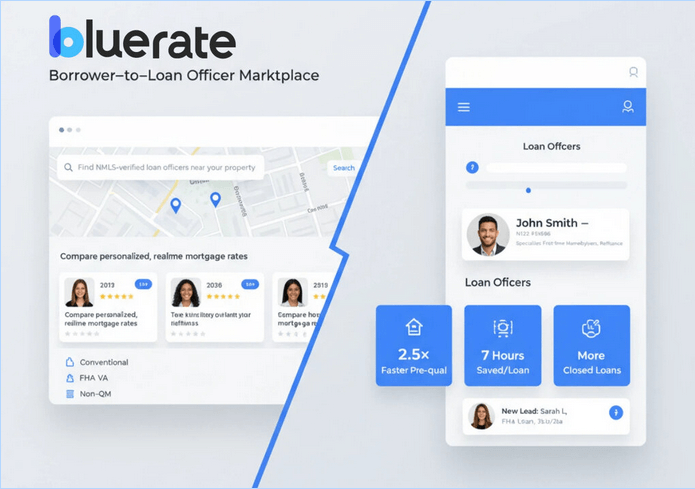
However, a lower national average doesn’t automatically mean you get the best deal. Rates are hyper-local and change daily. That is why I always recommend starting with a local expert. You can use Bluerate to find top-rated loan officers in your specific neighborhood for a free consultation to see exactly what you qualify for today.
CrossCountry Mortgage
- NMLS ID: 3029
- Availability: Licensed in all 50 states.
When I look for a lender that combines speed with flexibility, CrossCountry Mortgage (CCM) often tops my list. They have grown into a massive player in the industry by focusing on “getting it done” when other banks stall.
From my experience, CCM shines in their product diversity. They don’t just offer the standard “vanilla” loans. If you are self-employed or have a unique income situation that doesn’t fit neatly into a tax return box, their non-QM (Qualified Mortgage) options are excellent. They are also incredibly fast. I’ve seen them close refinances in as little as 21 days because they process and underwrite everything in-house. Their “FastTrack” credit approval program allows you to clear conditions upfront, which removes a lot of the stress from the waiting game.
- Pros:
- Extensive menu of loan products (Conventional, FHA, VA, USDA, Jumbo, and Non-QM).
- Highly personalized service. You are usually dealing with a dedicated local team, not a call center.
- Fast closing timelines compared to big banks.
- Cons:
- Rates are not always the absolute lowest advertised online (though they are competitive).
- They do not publish rates on their website. You have to talk to a loan officer.
New American Funding
- NMLS ID: 6606
- Availability: Licensed in 49 states (widely available across the US).
If your credit history has a few bumps or your income is unconventional, New American Funding is one of the most empathetic lenders I’ve reviewed. They use manual underwriting strategies that look at the “whole person” rather than just an automated credit score. New American Funding is a standout for their proprietary “I CAN Mortgage” program. This is brilliant for refinancing because it allows you to choose your own loan term, anywhere from 8 to 30 years. If you have 22 years left on your current mortgage, you don’t have to reset the clock to 30 years. You can refinance to a 22-year fixed term to keep your payoff date on track while lowering your interest rate. They are also heavily focused on Latino and underserved communities, offering bilingual support throughout the entire process.
- Pros:
- Manual Underwriting: Great for borrowers with “thin” credit files or self-employment income.
- Custom Terms: The ability to pick an exact loan term (e.g., 17 years) is a huge financial advantage.
- Strong focus on customer service and inclusivity.
- Cons:
- Origination fees can be slightly higher than average, depending on the loan complexity.
- Their rates for borrowers with excellent credit (780+) might be beaten by traditional banks.
Rocket Mortgage
- NMLS ID: 3030
- Availability: Licensed in all 50 states.
We can’t talk about refinancing without mentioning the 800-pound gorilla in the room. Rocket Mortgage (formerly Quicken Loans) has essentially defined the digital mortgage experience. If you hate talking on the phone and prefer managing your financial life via an app, this is your best bet.
Rocket’s platform is arguably the most seamless in the industry. You can sync your bank accounts and employment data digitally, which drastically reduces the paperwork you need to hunt down. For a straightforward “Rate and Term” refinance in 2026, their system is lightning fast. I also appreciate their “RateDrop Advantage,” which sometimes offers covering closing costs if you refinance with them again in the future, a nice perk in a fluctuating rate environment.
- Pros:
- User Experience: The best mobile app and online dashboard in the business.
- Customer Service: Consistently high J.D. Power rankings for client satisfaction.
- Fast processing for W-2 employees with clean credit files.
- Cons:
- Cost: They are rarely the cheapest option on the market. You pay a premium for the convenience and brand name.
- Not the best fit for complex income situations that require a human touch to explain.
Carrington Mortgage Services
- NMLS ID: 2600
- Availability: Licensed in nearly all states (check specific availability for your region).
In my analysis, Carrington fills a critical gap in the market: helping borrowers with low credit scores. While most lenders shy away when a FICO score drops below 620, Carrington actively courts this demographic.
If your credit score has taken a hit recently but you still want to refinance to save money or cash out equity, Carrington is a specialist. They are experts in FHA and VA loans for borrowers with scores as low as 500-580. Most lenders have “overlays” (stricter rules than the government requires), but Carrington generally sticks to the minimum federal guidelines. This makes them the “lender of last resort” in a good way, they can approve loans that others have denied.
- Pros:
- Credit Flexibility: Willing to work with credit scores down to 500 (with conditions).
- Specializes in FHA and VA refinances.
- Manual underwriting availability for tough files.
- Cons:
- Higher Rates: You will likely pay a higher interest rate and fees to compensate for the credit risk.
- Customer service reviews are mixed compared to premium lenders like Rocket or Navy Federal.
Navy Federal Credit Union
- NMLS ID: 399807
- Availability: Global (Available to members in all 50 states).
For those who serve or have served, Navy Federal Credit Union is, in my opinion, untouchable. As a credit union, they are not-for-profit, which allows them to pass savings directly to members in the form of lower rates and lower fees. If you qualify for membership (Active Duty, Retired, Veterans, and their families), stop looking and check them first. Their “Military Choice” and VA refinancing options often come with rates that commercial banks simply cannot match. Furthermore, they are famous for their “No Refi PMI” options and occasionally offer to match other lenders’ rates. They act like a partner rather than a bank, and they never sell the servicing of your loan, meaning you will always pay Navy Federal, not some random company your loan gets sold to.
- Pros:
- Unbeatable Value: consistently lower interest rates and lower closing costs.
- Servicing: They retain servicing for the life of the loan (rare in 2026).
- “RealtyPlus” program can offer cash back at closing.
- Cons:
- Exclusivity: Strictly limited to military members, veterans, DoD staff, and their families.
- Process can sometimes be slower than tech-focused lenders like Rocket.
U.S. Bank
- NMLS ID: 402761
- Availability: National coverage.
If you prefer the stability of a traditional “Big Bank” and already do your banking there, U.S. Bank is a powerhouse worth considering. They have successfully blended their brick-and-mortar presence with a solid digital platform. The biggest advantage here is “Relationship Pricing.” If you already have a checking account, savings, or investment account with U.S. Bank, you can often qualify for a direct discount on your mortgage rate (sometimes up to 0.25%). For high-net-worth individuals or those looking for Jumbo loans in 2026, these discounts add up to thousands of dollars in savings. They are conservative and reliable. You know exactly what you are getting.
- Pros:
- Relationship Discounts: Existing customers get rewarded with lower rates.
- Stability: A massive, FDIC-insured institution with deep resources.
- Full-service banking integration (one login for mortgage and checking).
- Cons:
- Strict Guidelines: They are risk-averse. Strict debt-to-income (DTI) and credit requirements apply.
- Application process can feel more bureaucratic and document-heavy than non-bank lenders.
How to Refinance a Home Loan?
Refinancing a home loan isn’t just about signing papers. It’s a strategic financial move. To ensure you are actually saving money, you need to follow a disciplined process. Here is how I guide my clients through it:
- Check Your Numbers: First, confirm your credit score and estimate your home’s equity. You typically need at least 20% equity to avoid Private Mortgage Insurance (PMI), though FHA and VA loans have different rules.
- Define Your Goal: Are you trying to lower your monthly payment (Rate & Term) or do you need cash for renovations (Cash-Out)? Knowing this upfront dictates which loan program you need.
- Find a Local Loan Officer (Crucial Step): This is where most people make a mistake, they just click on a generic ad. Real estate is local, and so are the best mortgage deals. I recommend using Bluerate to connect with loan officers in your specific area. A local LO will know about specific state grants or regional pricing adjustments that national call centers miss. You can get a free consultation and compare live rates from neighbors, not just algorithms.
- Shop the Loan Estimate: Get official “Loan Estimates” from at least three lenders. Compare the APR (Annual Percentage Rate), not just the interest rate, as the APR includes the closing costs.
- Lock and Close: Once you find the winning bid, lock your rate immediately. In 2026, markets are volatile. A floating rate is a gamble.
FAQs About Best Home Loan Refinance Companies
Q1. Can I refinance with no closing costs?
Technically, yes, but it’s not truly “free.” A “no-closing-cost” refinance usually means the lender gives you a credit to cover the fees in exchange for a slightly higher interest rate. Alternatively, they roll the costs into your loan balance. It saves cash upfront but costs more over time.
Q2. What is the 80/20 rule in refinancing?
The 80/20 rule refers to the Loan-to-Value (LTV) ratio. If you refinance and your new loan is 80% or less of your home’s current value (meaning you have 20% equity), you generally do not have to pay for Private Mortgage Insurance (PMI). Crossing this threshold is a major money-saver.
Q3. How many times can you refinance a house?
There is no legal limit. You can refinance as many times as you want, provided it makes financial sense. However, be careful: every time you refinance, you restart the loan term and pay closing costs (2-5% of the loan amount). You need to ensure the savings outweigh these costs every single time.
Q4. How long does it take to refinance a house?
In the current 2026 market, the average timeline is 30 to 45 days. This depends heavily on how fast you provide documents and how busy local appraisers are. Digital lenders like Rocket can sometimes close faster, while complex loans at big banks might take longer.
Conclusion
As we navigate 2026, the opportunity to refinance is a bright spot in the housing market. Whether you choose the speed of Rocket Mortgage, the inclusivity of New American Funding, or the specialized support of Carrington, the most important factor is comparison. Don’t settle for the first offer you receive in the mail.
Your home is likely your biggest financial asset, and saving even 0.25% on your rate can equal the price of a new car over the life of your loan. Start your journey by connecting with a trusted local expert on Bluerate. Comparing rates from local loan officers is the smartest way to ensure you’re getting the best deal for your financial future.