
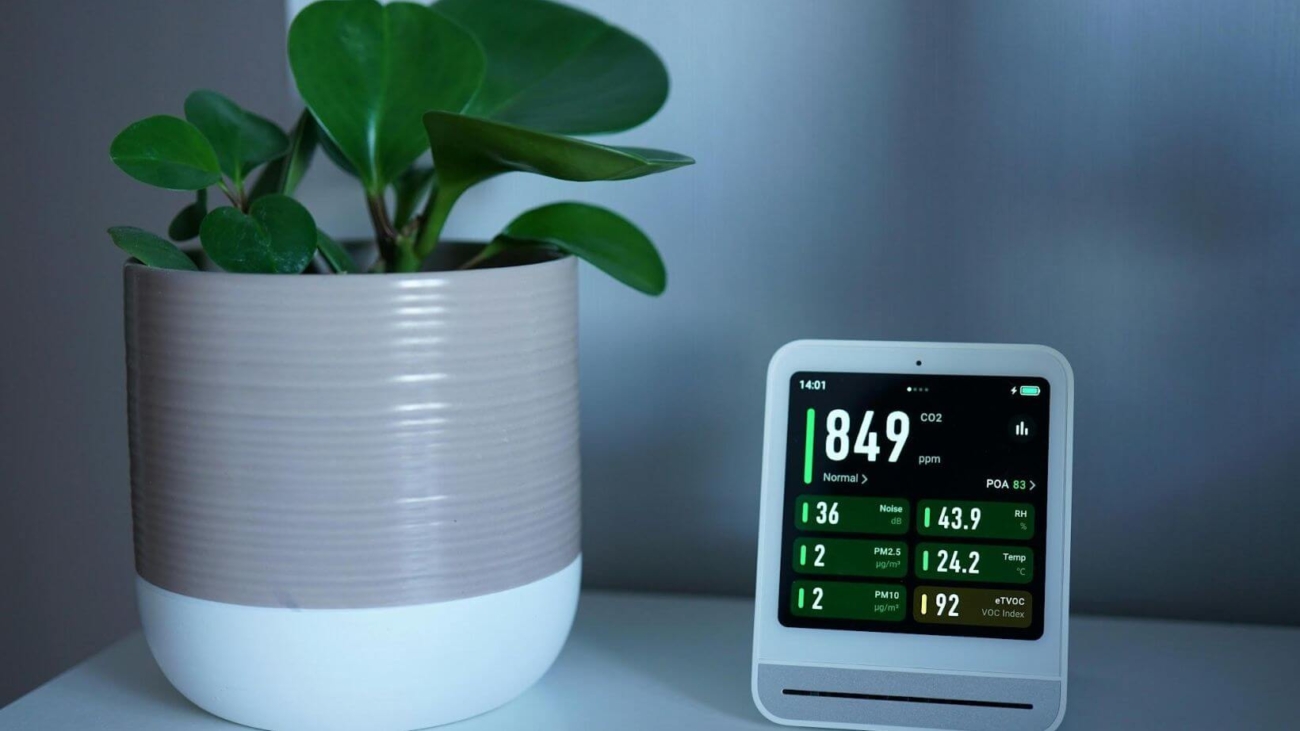
Feeling off for no clear reason can be frustrating. Two quiet forces often drive those shifts in mood: the air you breathe and the temperature around you. Small changes in your environment can nudge your brain toward calm or cranky, focus or fog.
Your body works hard to keep its core temperature steady. When the air feels stuffy, or the room runs hot or cold, your system spends extra energy to balance out. That tug-of-war can ripple into sleep, stress, and how you process emotions.
Why Your Brain Cares About Temperature
Your brain is the most temperature-sensitive organ you have. Even mild warmth can speed up heart rate and breathing, while a chilly room can tighten muscles and narrow focus. Those physical responses set the stage for how you feel and act.
When your surroundings stay near a comfortable range, your body uses less effort to regulate heat. That leaves more energy for clear thinking, patience, and problem-solving. Stability in the air often becomes stability in mood.
Think of temperature as a background track for your day. When it is smooth and steady, you barely notice it. When it keeps spiking, your brain hears noise, and morale sinks.
Heat, Cold, And Stress Signals
Your nervous system reads heat as a small stressor and cold as a different kind of stressor. They can push you into fight-or-flight if they are strong or last too long. That can leave you tense, tired, and short on focus.
If your home comfort feels hit-or-miss, it helps to check the basics. You can learn more about system care at https://www.pureair-coolingheating.com/ to keep temperature swings in check. A few small fixes can spare your body from constant micro-stress.
Layering clothes, using fans wisely, and spacing heat-producing appliances can lighten the load. The goal is not perfect control. It is fewer spikes that force your body to overreact.
Dirty Air And Low Mood
Air quality matters as much as temperature. Fine particle pollution can irritate lungs and inflame the body, and that inflammation can influence the brain. People often report more headaches, irritability, and mental fatigue on bad air days.
A report from The Guardian highlighted how only a handful of countries met the World Health Organization guideline for PM2.5 in 2024-2025. That means most of us face periods when outdoor air is not ideal. On those days, indoor habits make a big difference.
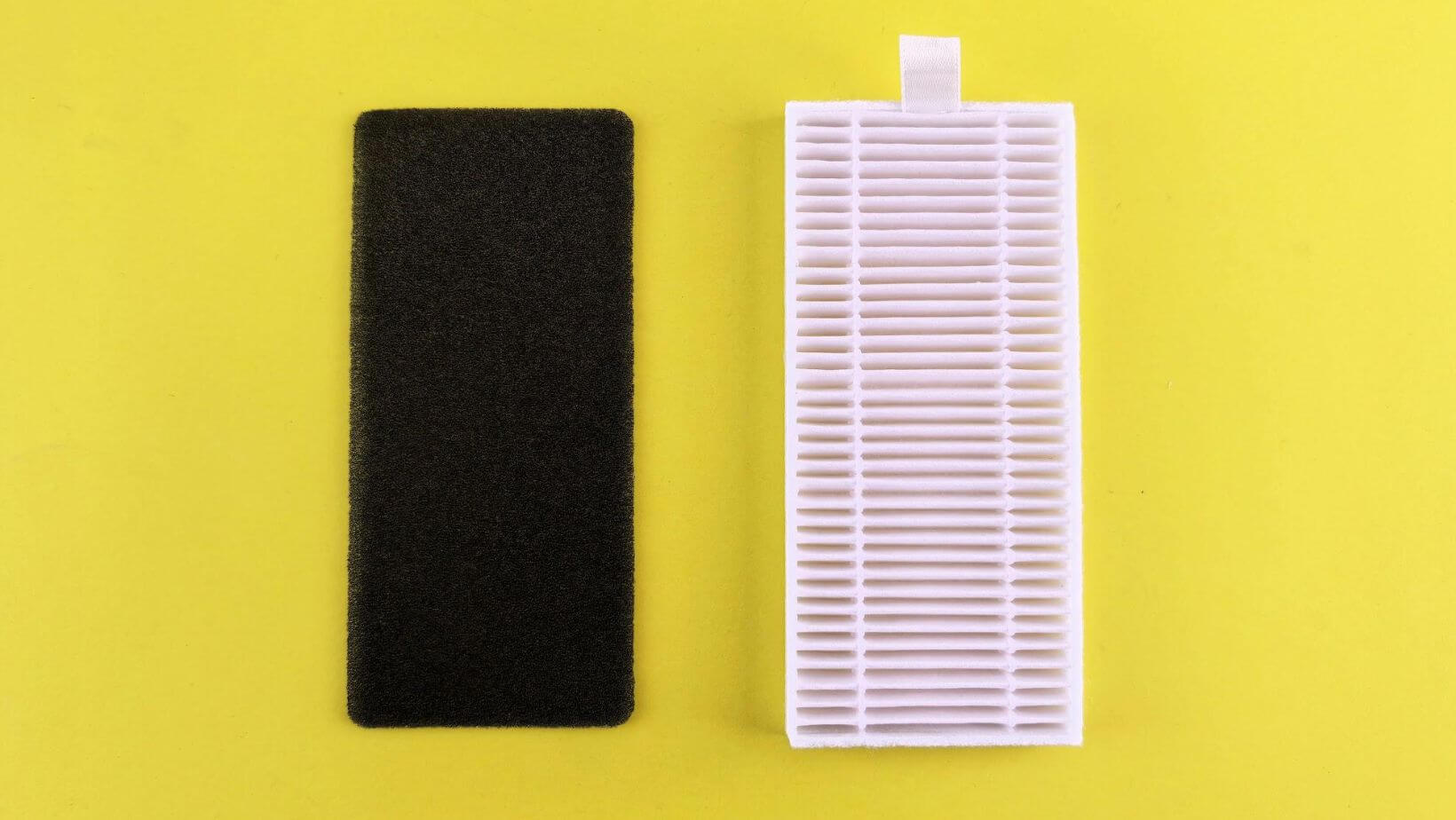
Close windows during high pollution hours and ventilate when levels drop. Use a certified air purifier sized for your room. Keep dust down by vacuuming with a HEPA filter and wiping hard surfaces weekly.
Light, Sleep, And Emotional Balance
Light shapes your internal clock, which shapes your sleep, which shapes your mood. Brighter daytime light and darker nights help your brain set a steady rhythm. With regular sleep, emotions feel easier to handle.
A report from Harvard Gazette noted that people who spent more time in bright light kept more regular sleep schedules and showed lower signs of depression. Good light habits complement good temperature habits. They work together to smooth out your day.
Try simple steps: open blinds early, sit near a window in the morning, and dim screens at night. Pair that with a cooler bedroom for sleep and a slightly warmer space for daytime tasks.
Heat Waves And Mental Strain
Short bursts of extreme heat can strain mood and judgment. Dehydration and poor sleep stack the deck, making small hassles feel bigger. People may feel edgy, sad, or just flat.
A 2024 analysis in Environmental Research found that heat wave days were linked with higher risks of hospital visits, signaling broad health stress that can include mental strain. While most days will not send you to a clinic, the pattern shows how heat can wear on well-being. Being proactive helps.
Plan when a hot spell is forecast. Cool the home before the hottest hours, drink more water than you think you need, and shift workouts to early morning. If sleep suffers, make the bedroom cooler than usual.
Small Indoor Tweaks That Help
Tiny adjustments can lift your mood more than you expect. Aim to keep the indoor temperature steady across the day. Avoid sudden blasts of hot showers or space heaters that swing the room from one extreme to the other.
Tidy airflow keeps the whole space more even. Clear vents and returns, and move furniture that blocks them. If one room runs hot, balance dampers or add a fan to circulate air gently.
Quick wins you can try this week:
- Set a narrow thermostat band, like 68 to 72, to reduce swings.
- Run kitchen and bath exhaust fans to cut humidity after cooking and showers.
- Put a small air purifier where you spend the most time.
Feeling better does not require a full remodel. Managing temperature, light, and air can calm your nervous system so your brain has less noise to fight. With fewer spikes and cleaner air, you are likely to sleep more deeply and think more clearly.
Start with one change you can keep. Those steady habits do more for mood than a sprint of fixes that fade. Steady comfort builds steady days.