
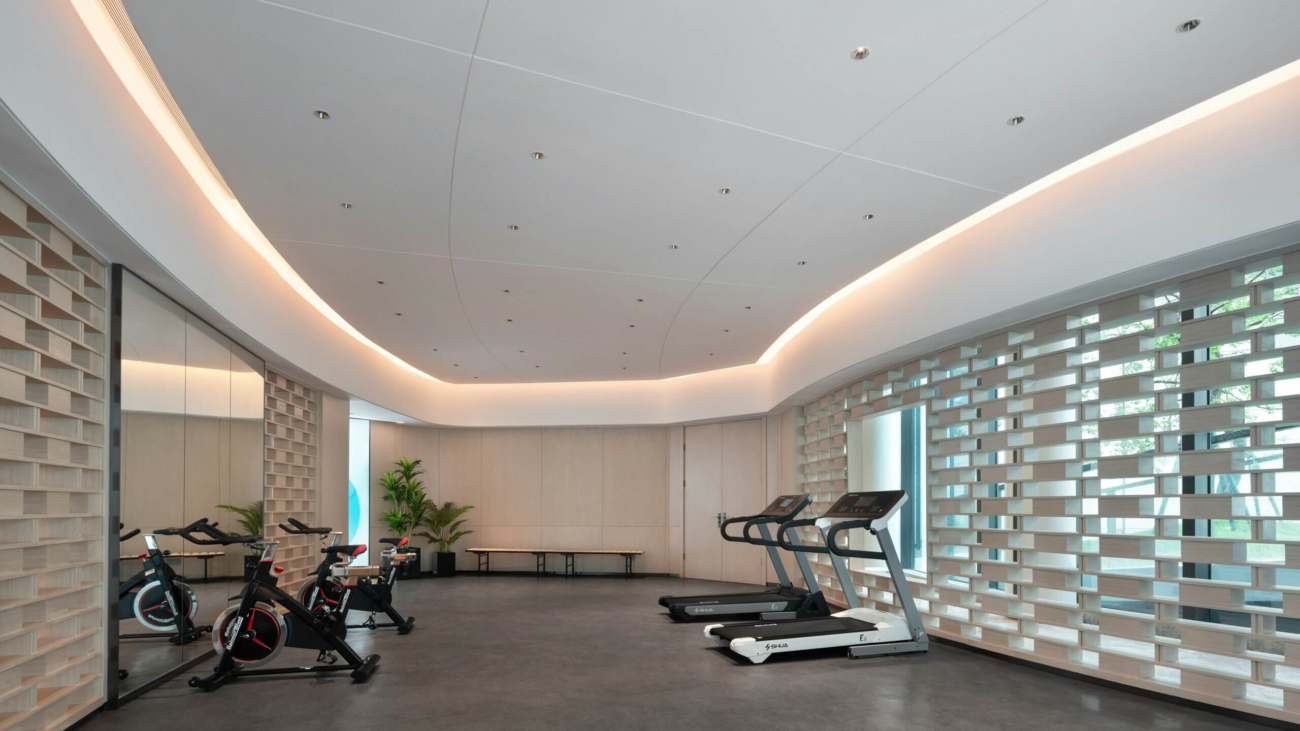
Keeping a workout space tidy is about more than just looks. A messy gym can lead to accidents and spread germs fast. You want a place that motivates you to move without fear of tripping or getting sick. Setting up a solid routine for cleaning and organization makes every session better. These simple steps will help you maintain a high-quality environment for your fitness goals. Taking the time to prep your area allows for a focused and safe workout every single day. A high-quality environment helps you reach your peak performance without any unnecessary distractions.
Create a Safe Layout
A smart floor plan helps everyone move freely between machines and weights. If you have old machines or broken gear taking up space, junk removal in Philadelphia can help clear the path. Clearing out the trash makes room for better movement and keeps the floor clear of hazards. Proper spacing between equipment prevents users from bumping into one another during intense sets.
Research from the World Economic Forum highlights that the power of sport to drive well-being relies on the health of the surroundings. A study in the MDPI journal suggests that having open spaces and pleasing environments acts as a big motivator for people to stay active. Large objects left in walkways are a primary cause of slips and falls in home gyms.
Managing Equipment and Clutter
Weights left on the floor are one of the biggest risks in any training area. Tripping over a 10-pound dumbbell can lead to a serious injury or a broken bone. One report found that women often face injuries from dropped equipment or falling over items left out. Heavy gear should always have a designated spot that is easy to reach. A well-organized space does more than look nice; it sets a professional tone for every workout, according to SHAPE America. Proper storage protects your gear from wear and tear over time.
- Put dumbbells back on the rack after every set.
- Keep yoga mats rolled up in a dedicated bin.
- Check for loose bolts on machines once a week.
- Store jump ropes and bands on wall hooks.
Focus on Sanitation and Air Flow
Germs spread fast in sweaty environments, so regular wiping is a must. Using a simple spray and a microfiber cloth can kill bacteria on high-touch surfaces. One academic paper noted that people feel safer returning to gyms when they see good hygiene and physical distancing.
Maintaining a schedule for deep cleaning helps keep the facility smelling fresh. Ventilation is another big piece of the puzzle for a healthy space. An article in Frontiers in Materials suggests that using natural light and air flow reduces the need for artificial systems. Open windows or fans help circulate air and lower humidity levels.
Preventing Common Training Injuries
Physical activity helps lower the risk of getting sick from many infectious diseases, as noted by the Centers for Disease Control and Prevention. But you must stay safe during training to get those benefits. Regular exercise builds a strong immune system and helps your heart stay healthy.
 Data in Frontiers in Sports and Active Living shows that ankle sprains are the most frequent injury for many athletes. Knowing the difference between a sprain and a strain is a key part of recovery, according to experts at the University of Utah. Even sleep matters, as one study found that poor rest leads to a higher chance of getting hurt during a workout.
Taking care of your training space is a sign of respect for your body and your goals. Keep your space in top shape so you can focus on getting stronger every day. Your environment reflects your dedication to your health and safety.