
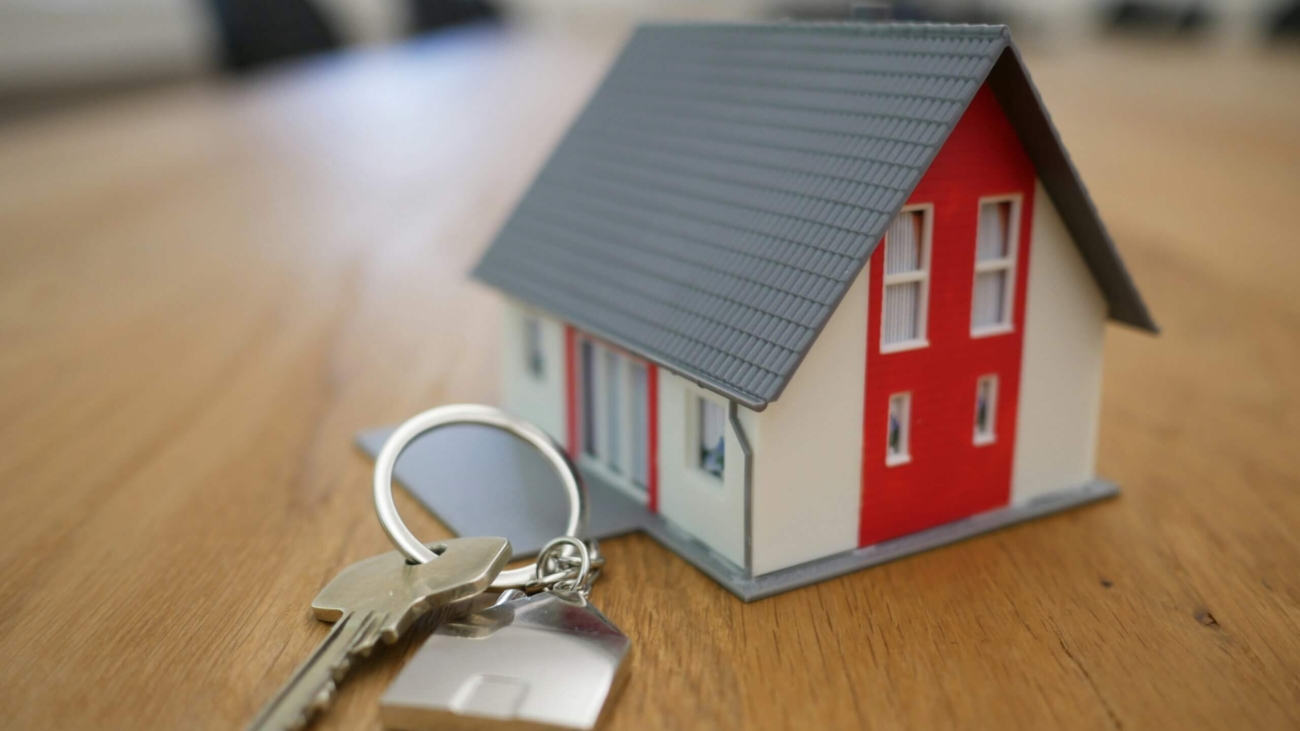
What was once one homeowner’s unattainable dream—building an ADU (accessory dwelling unit) and staying exactly where I currently live—has turned into an alluring financial foundation strategy for hundreds of thousands of Americans. Now, ADUs are an opportunity for better futures, thanks to cramped housing markets and a review of ordinances in towns across America.
This is a complicated turn that necessitates specialized knowledge of construction logistics, regional zoning changes, and the ever-evolving hospitality market. Additionally, exploring home equity financing options from LBC Mortgage is essential to overcoming prep costs. With the right legal maneuvering and a little clever financing, you can take dormant land and convert it into a steady high-yield income stream.
Profit Maximization Strategies
To guarantee you good returns begins with looking at the local travel market. In cities including Austin and San Diego, a well-designed studio can go for nightly rates similar to boutique hotels.
Permanent structures typically add 20 percent to 30 percent value to a property, owners said. It’s knowing what travelers want—private entrances and dedicated workspaces, for instance. Bookings and price points are often higher for units with modern aesthetics and premium finishes, data indicates.
Strategic Revenue Management
Making a lot of money requires more than posting space online. Homeowners need to adopt dynamic pricing models that account for seasonality and local events. In the high months, rates may double, and midweek discounts help to maintain occupancy during low moments.
More experienced hosts are saving a portion of their monthly income to spend on upgrades. Here are some tips to maximize rental income:
- Floor prices increase for holidays, local happenings, and demand surges.
- Ongoing maintenance and renovations to keep the property appealing to guests
- Photos and listings that are high quality increase visibility and booking rates.
- Ensure prompt guest communication to retain high ratings and return bookings.
- Marketing strategy on various platforms for a broader audience.
It reflects on this unit, where it remains one of the best in an oversaturated market and maintains cash flow year after year.
Zoning Law Compliance
The first obstacle for any ADU project is understanding the legal framework. New legislation in certain states, with California leading the way recently, has opened the floodgates to approval and essentially stripped much of a local municipality’s ability to deny a permit. These laws allow housing units of up to 800 square feet. Homeowners should review local setback requirements to avoid expensive mistakes.
Permit Approval Processes
Getting the right paperwork means submitting thorough architectural blueprints for review with the planning department of the city. It typically also involves an environmental impact review and a determination of available utility capacity.
In many areas, pre-approved floor plans are now available, speeding up both project duration and reducing design fees. Local officials are pulling out all the stops to guarantee that everything—plumbing, electrical, and structural—complies with modern safety codes. Meanwhile, this also ensures that subsequent project rental operations are covered by legal protection on completion of construction work and issuance of a building permit.
Construction Cost Management
Cost of a free-standing unit: The cost to build a detached unit is location and design-dependent. Prices typically vary between $150,000 and $350,000. But it’s still true that, since wood prices and labor shortages are elastic, most experts say you should add 15 percent to the total beyond your original estimate.
However, opting for more robust materials in the mid-range can usually pay dividends in optimizing that initial investment versus ongoing costs. Another way to reduce expenses is to use prefab units. The prefab sections are built in factories and then shipped to the site. So there is much less labor time involved on-site. To keep your program operating on time and within budget, do the following:
- Define Your Scope of Work: Establish size, layout, and use to form a working budget baseline
- Get several quotes: Take lots of quotes from contractors, prefab makers and suppliers for price comparison.
- Account for contingency: Factor in at least 15% more on your planned spend to account for unexpected price increases or delays.
- Be strategic with materials: Use mid-range, durable finishes that will last without spending a lot on high-end finishes.
- Schedule construction: Schedule site preparation, delivery of prefabricated modules, and on-site labor to maximize utilization while limiting downtime and extra costs.
- Monitor progress and expenses: Compare spending to your budget and address any cost overruns or delays as they happen so you can bring the project back under control.
Infrastructure Utility Integration
A new setup with existing power, water, and sewage lines can cost a fortune—which is why many homeowners don’t think about it. If the main house has an antiquated electrical panel, an expensive upgrade could be required to handle the extra load.
Trenching for pipes through an established garden can also run into the thousands, added to the total bill. Smart builders group kitchen and bathroom plumbing close together to minimize the piping required. So the strategic layout minimizes material waste and also simplifies work for contractors, maintaining the project schedule.
Short-Term Rental Regulations
Renting to tourists applies a whole different set of rules than long-term leasing does. The majority of American cities also require a Short-Term Rental (STR) permit, along with the collection of occupancy taxes that can be between 8% and 15%.
These fees are typically paid to the city either monthly or quarterly and are required in order for a business to legally operate. Some neighborhoods impose strict ceilings on the number of days a unit can be rented annually. To keep the city from taking away your ability to host guests, stay compliant with these tax laws.