
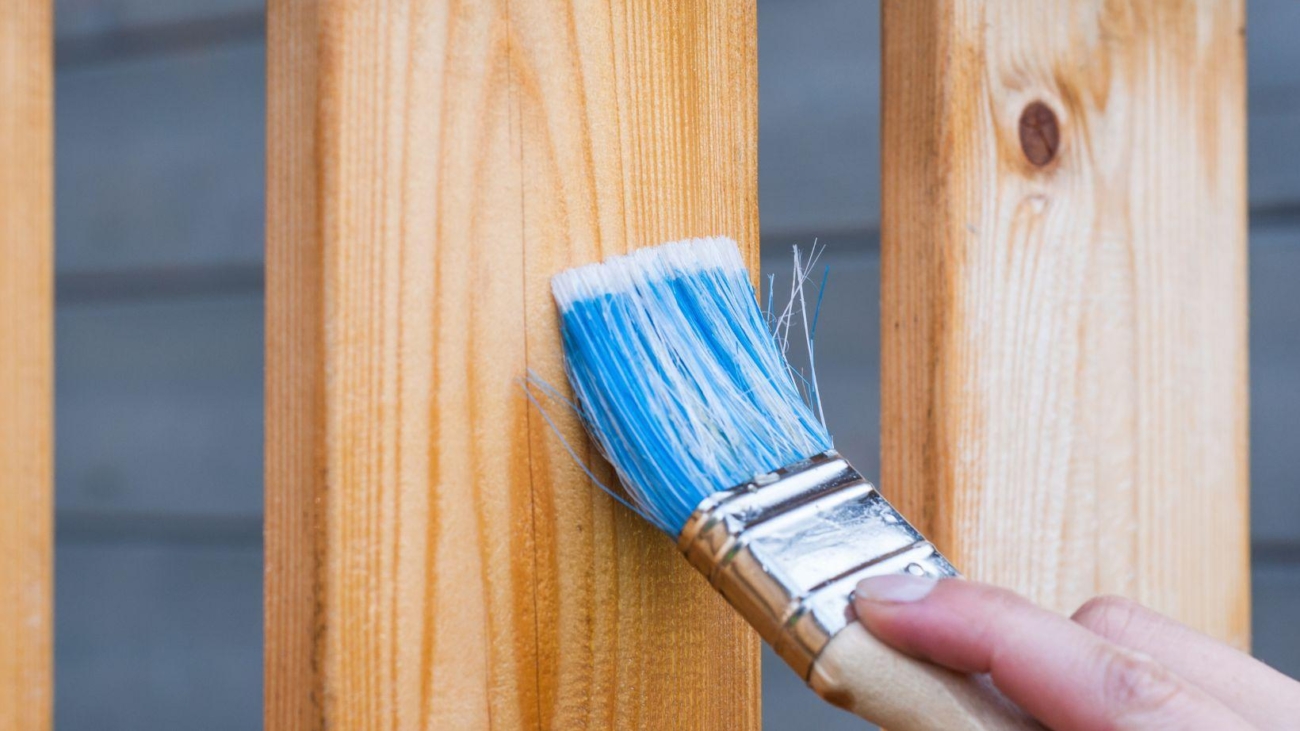
Cedar has a warm look that feels natural, clean, and welcoming around a home. Many homeowners choose it for siding, fences, decks, porch posts, and trim because it adds character without feeling heavy. The grain has a soft texture, and the color can make an exterior feel finished. Even so, cedar needs steady protection because outdoor conditions touch it every day.
Paint can help cedar handle rain, sun, moisture, and surface wear in a simple way. The best paint for cedar wood creates a protective coat that supports the boards and keeps the finish looking fresh. It also helps homeowners avoid common cedar issues before they turn into larger repairs. Here are the cedar problems paint can help prevent around the home.
Moisture Absorption And Uneven Boards
Cedar handles outdoor use well, but moisture can still settle into bare boards. Rain, sprinklers, and damp air may enter the grain when the surface has little protection. This can leave some areas darker than others. Over time, the boards may feel uneven or look patchy.
A strong exterior paint helps seal the surface and reduce water entry. The coating gives cedar a cleaner layer against rain and daily humidity. Homeowners should also coat edges, joints, and cut ends because those areas absorb moisture quickly. Careful coverage helps cedar siding, fences, and trim keep a neat shape.
Sun Fade And A Dull Finish
Sunlight can change the look of cedar faster than many homeowners expect. The warm red and honey tones may turn pale when UV rays hit the boards each season. A faded surface can make the home look tired even when the wood still feels solid. Paint helps keep the exterior color steady and attractive.
A cedar-safe exterior coating with UV protection supports a richer finish. It gives the wood a consistent color across wide surfaces such as siding and gates. This matters most on walls that face direct afternoon sun. A fresh coat also gives the home a brighter, more cared-for look from the curb.
Small Cracks Around Grain And Edges
Cedar expands and contracts as weather shifts from wet to dry. This natural movement can create tiny cracks around open grain, corners, and board ends. Small cracks may collect dust and moisture, which can affect the finish. Paint gives those vulnerable spots a smoother shield.
Primer plays an important role before the color coat goes on. A quality exterior primer helps the paint grip cedar and cover small surface gaps. It also supports a more even finish across boards with different grain patterns. With the right prep, painted cedar can stay smooth through seasonal changes.
Tannin Stains Beneath Light Colors
Cedar contains natural oils and tannins that add beauty to the wood. These tannins can rise through thin coatings and show as brown or yellow marks. Light paint colors can make those marks more visible. A proper primer helps control this common cedar concern.
A stain-blocking primer creates a steady base for the final coat. Clean, dry cedar accepts primer and paint more evenly. This step is especially useful for trim, fascia, doors, and siding near rooflines. The final result looks cleaner because the color has a stable surface beneath it.
Mildew In Shaded Or Damp Spots
Some areas around a home stay damp longer after rain. Cedar fences near shrubs, shaded siding, and porch rails under trees can collect surface moisture. Those spots may develop mildew on top of the finish. Paint with mildew-resistant qualities helps keep these areas cleaner.
Good airflow also helps the painted surface stay fresh. Plants should sit away from cedar so air can move around the boards. Gutters and sprinklers should direct water away from wood surfaces. These small habits support the paint and help cedar look well-maintained.
Cedar brings beauty to a home, and paint helps protect that beauty from daily weather. The best paint for cedar wood helps prevent moisture marks, fading, cracks, tannin stains, and mildew. A clean surface, the right primer, and even coats all work together for a stronger finish. Homeowners who care for cedar in this simple way can enjoy a smoother look and a cleaner exterior.