
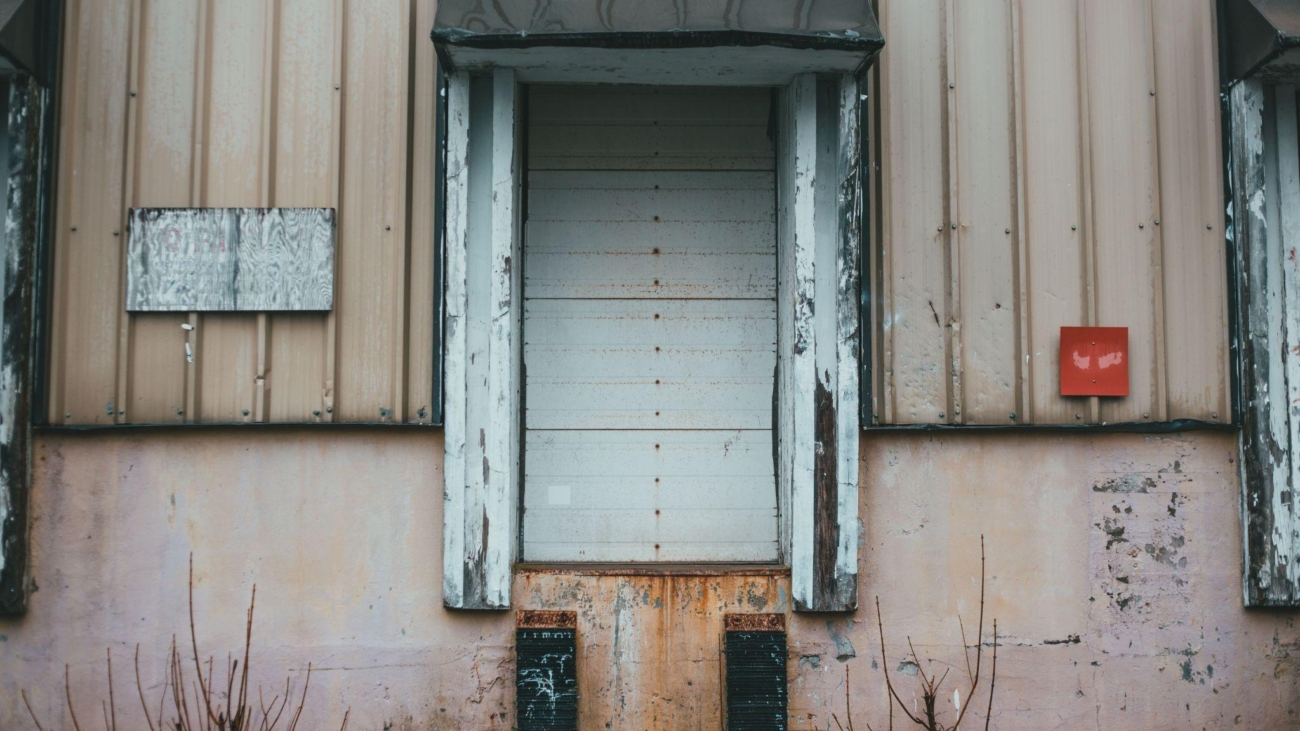
Every house tells a story, and sometimes that story shows up as chipped paint, faded siding, or a porch railing that’s seen better days. It’s easy to look at a home like this and assume the worst, yet the outside of a house rarely tells you the whole truth about what’s happening inside.
If you own a property that looks a little rough around the edges, you might feel embarrassed or unsure about selling it as-is. Here’s the good news: a tired exterior doesn’t define the value or the potential of a home in the eyes of an informed buyer. What matters most is often hidden from plain view, and once you understand that simple truth, selling becomes a lot less stressful and far less overwhelming.
Old Paint Doesn’t Tell the Full Story
Weathered paint is one of the most common reasons sellers assume their home won’t attract buyers, yet it’s rarely a deal-breaker for anyone who understands real estate, and it has nothing to do with what’s holding the house together. Paint fades because of sun exposure, moisture, and time, not because something is structurally wrong, and none of these surface issues show up from the curb, which is exactly why judging a home by its exterior alone leads people to the wrong conclusions. A home with a rough exterior can still have solid bones underneath, including:
- Solid framing and a stable foundation
- Updated plumbing or electrical systems
- A newer roof hiding behind an old coat of paint
- Functional windows and doors, despite a worn finish
- A well-built frame that has held up for decades without issue
What Matters When You Sell
When it comes time to sell, the things that carry real weight are the bones of the house, not the cosmetic layer on top. Buyers who know what they’re doing look at the foundation, the roof, the systems that keep a home running day to day, and how well the layout works for daily life. Paint can always be redone in an afternoon, yet a solid structure is something you either have or you don’t.
This is where working with a company like Mill City Home Buyers can make a real difference, since they focus on what a property truly offers rather than how fresh the paint looks. Sellers who partner with buyers who understand this distinction often save themselves months of unnecessary repair work and stress. Instead of pouring money into a fresh coat of paint just to attract interest, homeowners can present their property honestly and still find serious buyers ready to move forward.
Small Fixes vs Big Problems
There’s a meaningful difference between cosmetic wear and genuine structural concerns, and learning to tell them apart can save a seller a lot of anxiety. Cosmetic issues are surface-level and rarely affect what a home is worth in any serious way, while structural issues involve the systems and framework that keep a house safe over time.
Cosmetic problems typically include things like:
- Peeling or faded exterior paint
- Overgrown landscaping or a cluttered yard
- Outdated fixtures or dated wallpaper
- Scuffed floors or minor wall dings
Structural concerns look very different and usually involve:
- Foundation cracks or settling
- Roof leaks or aging shingles
- Outdated wiring or plumbing that no longer meets code
- Water damage that has spread beneath the surface
Understanding where a home falls between these two categories helps a seller set realistic expectations before listing.
A house with only cosmetic issues is often in far better shape than its appearance suggests. Sellers who recognize this difference stop wasting time and money trying to mask surface flaws and instead focus on presenting the property honestly to buyers who already expect some wear and tear.
Why Buyers Look Past Surface Wear
Experienced buyers know that appearances rarely tell the full story, so they focus their attention elsewhere. Rather than judging a listing by faded paint or an unkempt lawn, they ask about the age of the roof, the condition of the foundation, and whether major systems have been maintained.
Buyers who prioritize substance over appearance tend to look for:
- Proof of recent repairs or upgrades to major systems
- A stable foundation with no significant shifting
- A roof that isn’t actively leaking or failing
- Clear title and straightforward paperwork
This approach benefits sellers directly because it means a home doesn’t need a full makeover to generate serious interest.
Step Toward a Smooth Sale
A worn exterior can feel discouraging, yet it rarely reflects what a home is truly worth. The value of a property lies in its structure, its systems, and how well it functions, not in whether the paint looks fresh.
Once sellers understand this, they stop feeling pressured to spend money on cosmetic repairs that won’t meaningfully change a buyer’s decision. Money saved on paint and landscaping can go toward moving costs, a new home, or simply staying in your pocket, especially for homeowners who are also considering a reverse mortgage as part of their long-term financial planning.
If your home has good bones underneath a tired exterior, there’s no reason to delay selling out of embarrassment or worry. The right buyer will see past the surface and recognize what’s really there.
Peeling paint fades with time, yet what a house is truly made of does not, and that difference is worth remembering long before you ever list your property. That’s exactly the kind of outcome every seller deserves.