
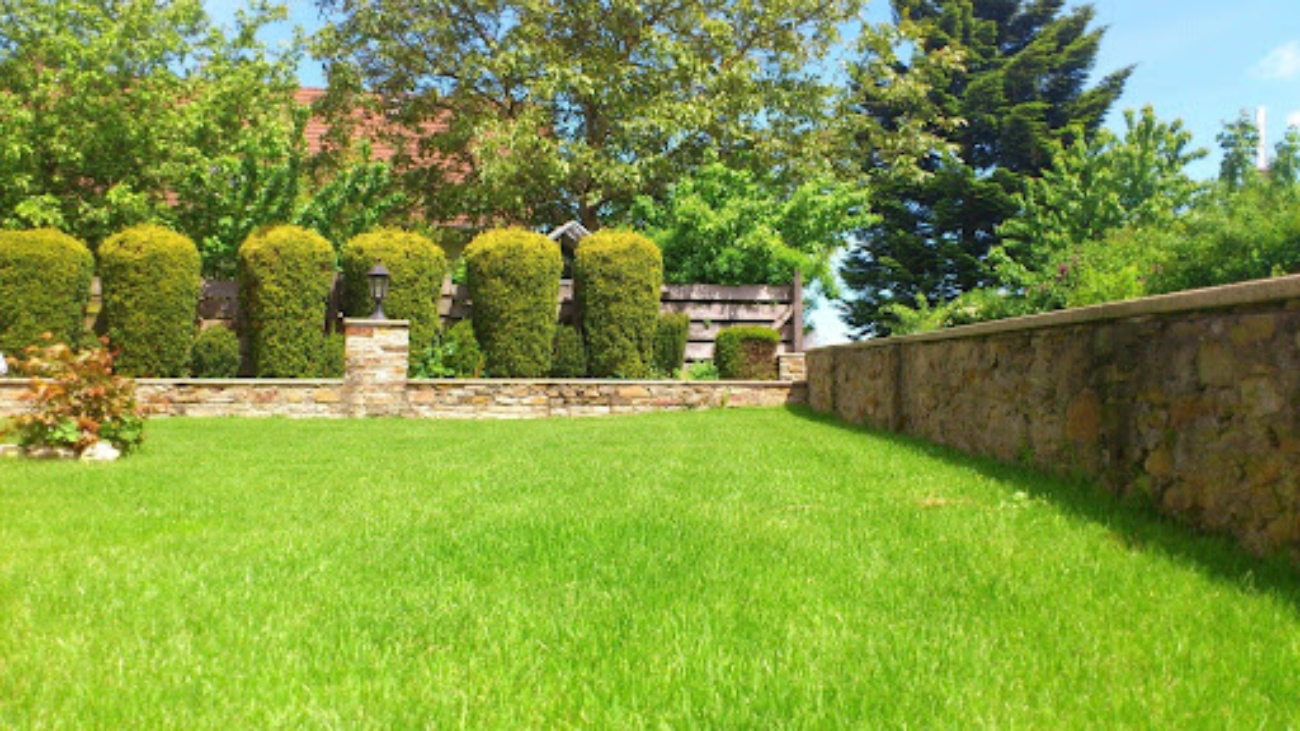
Eco-friendly yard design is changing how people view their outdoor spaces. Homeowners want beautiful yards that do not drain local resources or demand constant upkeep.
Creating a sustainable garden allows you to work with nature instead of fighting it every season. This approach protects local ecosystems and lowers your monthly utility bills. Making a few smart changes turns any regular yard into a green sanctuary.
Continue reading to discover everything you need to know!
Smart Plant Selection for Your Region
Choosing the right greenery makes a massive difference in your yard maintenance routine. A recent guide shared that selecting a design with plants that thrive naturally in your yard’s conditions saves time and money. These choices, native to your local area, need less watering and fewer fertilizers to stay healthy.
Many homeowners look for Vancouver landscaping experts to help them select climate-resilient options that survive wet winters and dry summers. Professional guidance helps position every shrub in the perfect soil type. Getting the right advice early prevents costly plant replacements later.
Native flora attracts beneficial local birds and insects to your outdoor space. These species are already adapted to local pests, so you can skip harsh chemical sprays.
Focus on System Function and Ecosystems
Sustainable yard management focuses heavily on how outdoor spaces function as a whole. Instead of just looking pretty, a green yard uses natural systems to support the local environment. This design method requires fewer resources over the long haul.
Healthy soil is the foundation of this entire ecological process. Adding organic compost feeds the underground microbes that help your plants absorb nutrients naturally.
Trends in Climate Resilience
The modern yard market is evolving quickly due to shifting weather patterns. Homeowners now demand spaces that are functional, low-maintenance, and ecologically sound. Creating a resilient yard means planning for heavy rain and unexpected heatwaves.
Rain gardens are becoming a popular feature for managing heavy downpours. These shallow, planted depressions absorb excess runoff and filter pollutants before they reach local waterways.
Choosing Sustainable Outdoor Materials
Hardscaping elements like patios and pathways need an eco-friendly upgrade, too. Designers are choosing recycled, local, and low-carbon materials to build durable outdoor structures. These materials have a smaller environmental footprint from manufacturing and shipping.
Permeable pavers allow rain to soak directly into the ground instead of pooling on top. This setup prevents local flooding and keeps the water table naturally replenished.
Supporting Local Biodiversity
Utilizing plants indigenous to your specific region reduces water consumption drastically. This practice supports local biodiversity by providing food and shelter for native wildlife. Every native shrub acts as a small stepping stone for urban birds and pollinators.
Creating a multi-layered canopy with trees, shrubs, and groundcover mimics natural forests. This layering offers different habitats for various beneficial creatures.
Transform Your Outdoor Space Today
Green yards prove that beautiful outdoor spaces do not have to hurt the planet. By focusing on native species, smart water tools, and recycled materials, you build a yard that takes care of itself; these choices reduce waste and give you more time to relax outdoors. A sustainable garden is a long-term investment that rewards you and the local environment for decades.
Check out the rest of our articles today!