
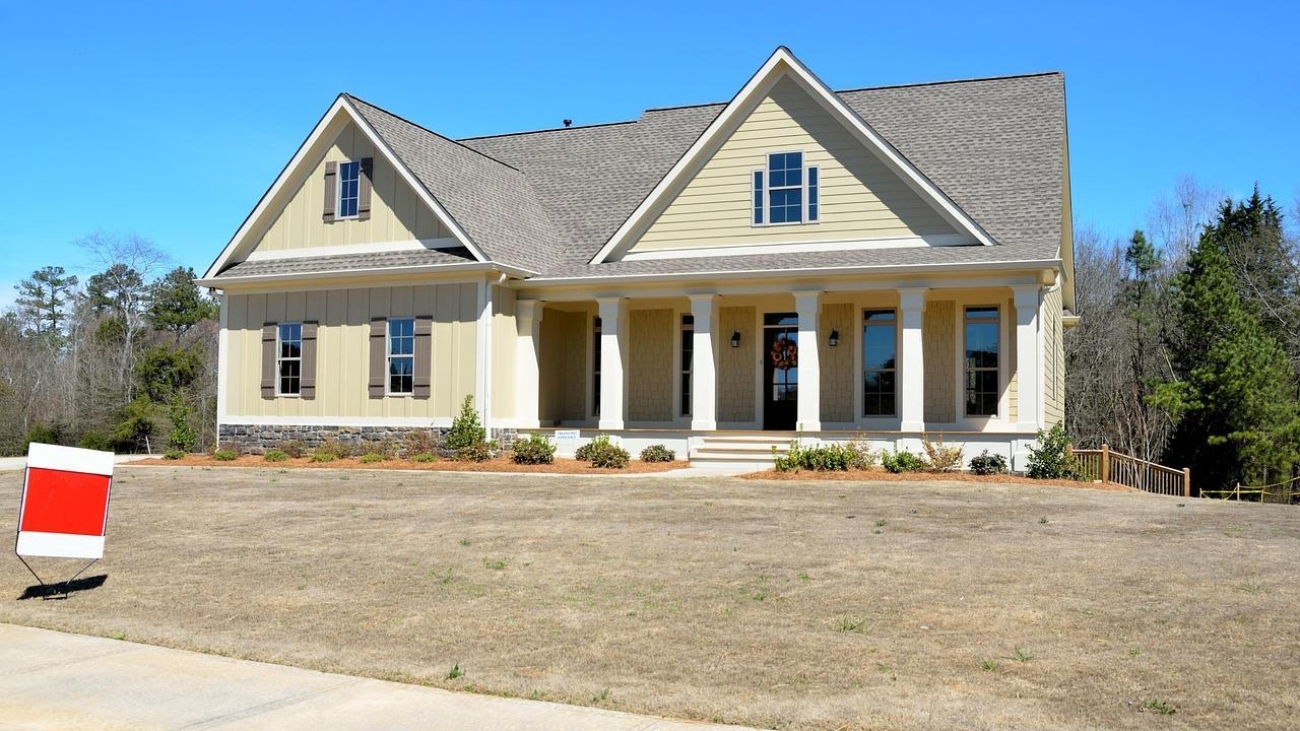
Buying a property is one of the largest financial decisions most people make, yet the asking price rarely tells the complete story. A home listed for a particular price may represent excessive value in one market and a significant overpayment in another. The difference depends on factors that extend beyond square footage and curb appeal. Therefore, determining a property’s true value requires a disciplined assessment of many things. Let’s find out some of them below.
Begin With Comparable Properties
The asking price is a seller’s starting point, not an independent measure of market value. A more reliable starting point is a comparable property analysis. Useful comparables should resemble the property being considered in meaningful ways, including:
Recent sales generally provide stronger evidence than active listings, as they demonstrate what buyers have actually paid rather than what sellers hope to receive.
Analyze Location
Location can influence value a great deal, since it affects both desirability and future demand. A well-designed house cannot compensate indefinitely for an unfavorable location, while a property in a desirable area can retain demand even when broader market conditions change. Consider your proximity to the following:
Examine the character of surrounding properties as well as current and planned infrastructure.
Look Beneath the Surface of the Property
A property’s visible appearance can create a powerful emotional response, but emotional appeal should never replace physical due diligence. Buyers should evaluate the age and condition of major systems, including the:
Construction quality also deserves particular attention, since two homes with similar prices and square footage can have very different long-term ownership costs. Buyers should consider how well a home’s design aligns with the way they actually intend to live. A thoughtfully planned layout can provide greater practical value than a collection of expensive features that add complexity without improving everyday functionality.
This is especially important when comparing an existing property with a new construction, where buyers can evaluate the finished home’s features and the relationship between its design, construction quality, personalization options, and anticipated maintenance needs.
Separate Valuable Amenities From Expensive Extras
Not every feature that increases a property’s price increases its value by the same amount. A buyer should distinguish between amenities that broaden market appeal and improvements that primarily reflect personal preference.
A functional home office, adequate storage, quality outdoor space, efficient parking, a practical floor plan, and well-designed kitchens and bathrooms may appeal to a broad range of future buyers. By contrast, highly specialized features may contribute little to resale value, even when they are expensive to install.
Measure Future Potential
A property’s value is partly determined by what it offers today and partly by what it may reasonably become. Future potential can come from improvements to:
However, these potentials should be treated carefully. Speculative assumptions about future development or rapidly rising prices can make an otherwise questionable purchase appear attractive.
Endnote
The true value of a property is rarely captured by its listing price, appearance, or size alone. It emerges from the relationship between the property’s physical characteristics, location, market position, ongoing costs, buyer demand, and realistic future potential.