

There is a world of difference between putting a sign in the yard and a house being ready for sale. Consider a 1970s block house off Ulmerton Road with avocado green tile in the bathroom, a missing roof file in the kitchen drawer, or a faded manufacturer label on the electrical panel. Or consider the estate boxes filling up the dining room or the fact that a Largo Central Park tenant still has their belongings, lease, and furniture there. It is often these things a buyer notices before they even step onto the back deck.
Start With the Home’s Curbside Condition
What happens outside in those first few minutes will generate most of the questions that come later. A sagging fascia board over the garage door, a blue tarp behind the azaleas, or a driveway stained with black mildew near the curb may all indicate deferred maintenance. Not every cosmetic issue needs to be addressed.
But some things should at least be priced in:
- An older roof nearing the end of its lifespan
- Older aluminum windows with foggy or scratched glass
- Fading paint on the soffits or railing
- A cracked front walkway
- Overgrown palm fronds brushing the roof
Having photos and repair estimates is helpful as well as an invoice from years ago. A missing shingle is easier to talk about than a general statement that “the roof is probably ok.” However, if you see signs of water on the ceiling above the hallway light, then you should probably look into it further because it could be indicative of other issues that an inspector will flag.
Gather Roof and Insurance Records
In Largo, the condition of the roof often affects the sale more than just the price. A buyer might also be trying to get homeowner’s insurance. If they see the roof has curled shingles, patchwork around a plumbing vent pipe, or an older flat roof section over the carport, then the age of the roof becomes an issue whether or not there is water damage inside. Have whatever paperwork is available including permits, paid invoices, or a warranty card or a dated photo of the roof. An inspector will be checking the roof material, stains on the attic ceiling, and the drip edge next to the gutters.
You may also need to do a four point inspection which will include the electrical, plumbing, hvac, and roof systems. If you need to replace the roof, it is realistic to sell the house with that in mind. But if there is evidence of water intrusion above the bedroom ceiling, a dark spot around a vent, or wet drywall next to the slider door, you should try to track down the problem first before you market the house.
Check Electrical Systems, Permits, and Wet Spots
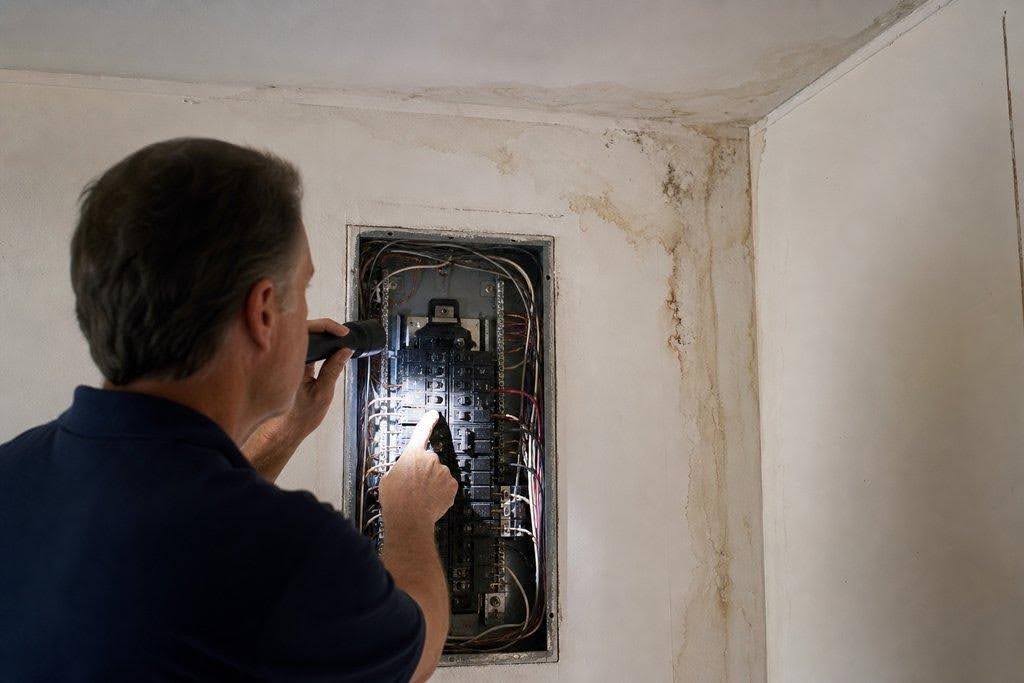
Most older homes in Largo have things to check. A 1970s block home may have an older electrical panel in the laundry room, a water heater in a small closet off the carport, or an enclosed porch with a ceiling fan that wobbles when turned on. Those are things an inspector will take pictures of.
What about a garage that’s been converted to a bedroom, or a screened-in porch where someone installed a window and wall AC? If you don’t have documentation, don’t make it up. Talk about it as it is. Be honest, and know that your buyer may price in their unknowns.
Same with water damage – if you want the source, it’s https://www.epa.gov/mold. That musty cabinet under the kitchen sink, the bubbled baseboard behind the fridge, the slightly puffy section of laminate flooring next to a sliding glass door. The issue could be as simple as a loose water supply line, or it could be something bigger. And if you replace it without knowing the problem, your fresh coat of paint might generate more questions than it resolves.
Confirm Tenant Access Before Scheduling Showings
A rental home near Largo Central Park might be fine to sell, but you have to deal with access properly. Your buyers shouldn’t have to view your home when the renter’s dog is running loose in the living room, a pile of dirty dishes is still sitting in the sink, and the tenant’s work schedule is hanging on the fridge.
Find out what terms are in the current lease, what’s going on with the security deposit, how payments have been made, what notices were served, who can give permission to show the property, what advance notice is required, and if the tenant plans to stay until closing. That side gate that sticks and the unit number that’s peeling off the mailbox aren’t big deals if the occupant doesn’t cooperate.
Your buyer might be okay buying the property with the tenant in it, as long as you have the documentation. What happens if the lease terms don’t match what the homeowner verbally told them?
Resolve Inheritance and Title Questions First
Homes inherited from family members tend to be delayed in a different way. The bedroom closet might be full of old medicine bottles, family albums, and a cedar trunk that hasn’t been opened in years. Clearing out those belongings is important, but figuring out who owns the property comes first.
Get proof of probate, estate records, outstanding liens, unpaid taxes, and HOA fees before you list the house. You won’t be able to fix a title problem by moving the furniture to the garage or raking leaves off the front walkway.
With multiple heirs, you’ll want to know who is responsible for dealing with the paperwork, and where the original papers are. Having a signature document stuck in a filing cabinet will slow down the closing process.
Fix Only the Problems That Can Block the Sale
A house that is hard to sell doesn’t need to look perfect. It does need to have a clear path to closing. Buyers might overlook wood cabinets that need to be refinished, carpet stains by the entrance to the den, or the overgrown landscaping. But an active leak, an uncertain tenant situation, an unresolved title, or a home with an unsafe electrical system can complicate or halt the process later.
Put together your repair bills, roof disclosure, lease, estate documents, tax statements, and any HOA correspondence before the first buyer shows up.