
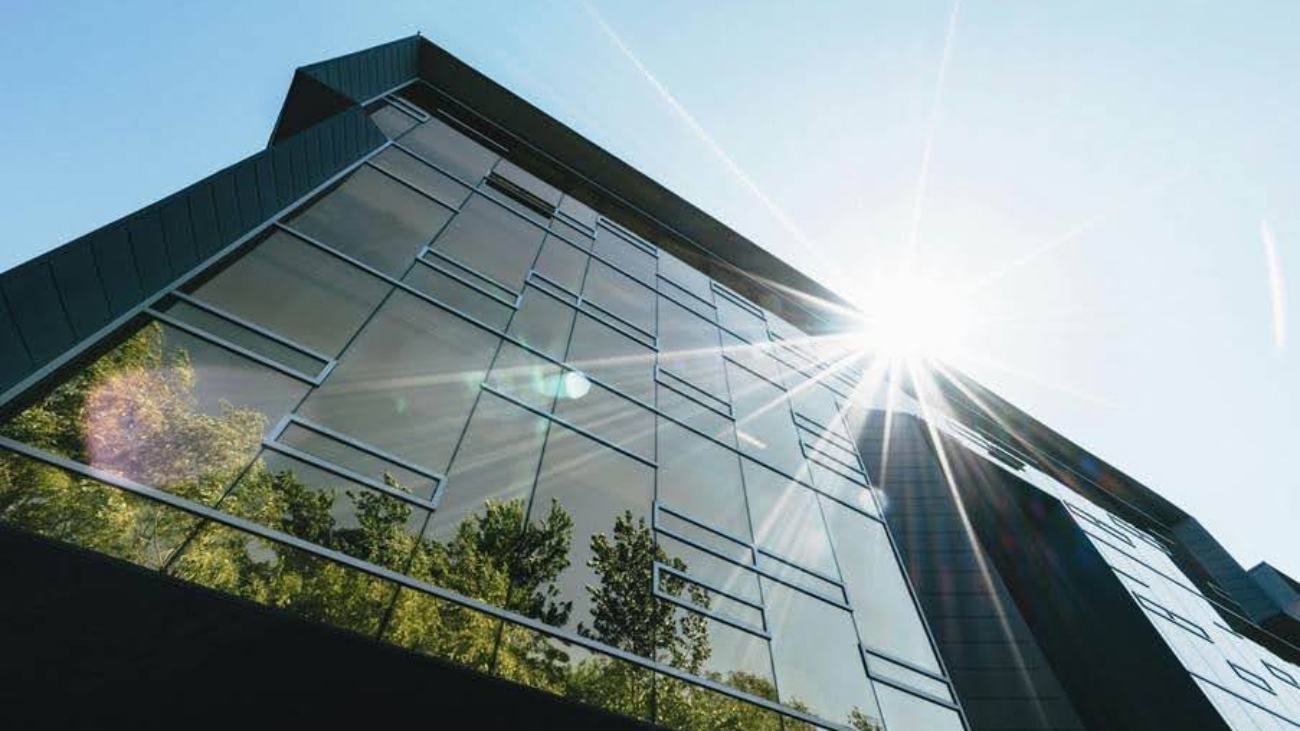
Environmental concerns have propelled the construction industry to rethink traditional building methods and materials. With the increasing impact of climate change and depleting natural resources, adopting eco-friendly practices has become imperative.
The contemporary approach to sustainable construction involves utilizing materials that reduce harm to the planet, enhance energy efficiency, and promote healthcare and wellbeing among occupants. This transformation led to significant cost savings in the long term. Various options are available in the realm of sustainable materials, each contributing uniquely to an eco-friendly approach in construction projects.
Benefits of Using Sustainable Materials
Choosing sustainable materials comes with numerous advantages that extend beyond the immediate building phase. First and foremost, they often reduce energy consumption throughout a building’s life cycle.
In turn, lowers greenhouse gas emissions. Many sustainable materials are made from renewable resources, which means they lower dependency on finite raw materials. Economically, the initial costs may be higher.
Savings from energy efficiency, reduced waste, and improved indoor air quality can surpass these upfront investments. Another vital aspect is the positive impact on occupant health. Sustainable materials often avoid harmful chemicals, creating a safer indoor environment.
Types of Sustainable Materials for Construction
The variety of sustainable materials available for construction proves that this method can cater to multiple architectural styles and needs.
Examples include recycled steel, reclaimed wood, and low-impact insulation materials. Among these, sustainable timber stands out due to its versatility and aesthetic appeal, combining environmental consciousness with functional benefits. Utilizing reclaimed materials is another method that enhances sustainability, reducing waste in landfills by giving old resources a new life and purpose.
Choosing these materials supports ecological balance and can foster a unique aesthetic that reflects historical and cultural aspects.
Eco-Friendly Insulation Options
Insulation plays a crucial role in energy conservation and maintaining comfortable indoor temperatures. Traditional insulation materials can have harmful environmental impacts both in production and disposal.
Alternatives such as sheep’s wool, cellulose (made from recycled paper), and straw bales provide excellent insulation while minimizing environmental effects. Sheep’s wool is known for its breathability, moisture regulation, and natural fire resistance, while cellulose insulation helps in recycling paper waste.
Straw bales, another innovative solution, are sustainable, affordable, and provide impressive thermal performance, making them ideal for eco-friendly construction.
A New Era of Construction
Concrete has long been a staple in construction. Its environmental footprint is considerable due to the energy-intensive process of production. Innovations have led to the emergence of green concrete, which contains recycled materials like fly ash or slag and uses less water and energy during the curing process.
This reduces CO2 emissions and enhances the material’s strength and durability. Advanced concrete formulations can incorporate biobased additives that promote sustainability, paving the way for more responsible practices in urban environments.
The Role of Waste in Sustainable Construction
Recycling construction waste is significant for achieving sustainable building goals. The construction sector is responsible for roughly one-third of global waste generation. Efficient management and utilization of materials such as old bricks, concrete, and metals can significantly decrease waste while feeding back into the construction process.
Large-scale projects are increasingly utilizing sophisticated waste management systems, ensuring that salvageable materials are reused effectively. Through innovative recycling processes, these materials can serve as valuable inputs in the creation of new structures.
Long-Term Viability and Future Trends
As eco-consciousness continues to rise, the future of construction will inevitably be shaped by sustainability trends. The adoption of smart technologies that monitor energy use and materials will probably become more commonplace.
Such advancements will assist stakeholders in making data-driven decisions regarding resource management and building performance. Biophilic design is gaining traction, incorporating natural elements directly into architectural spaces to enhance occupants’ experience while reinforcing environmental aesthetics.
These trends indicate a committed shift towards sustainable construction practices that will likely define the next generations. As regulations and consumer expectations continue to evolve, companies that embrace these innovations early will be better positioned for long-term success. Integrating sustainability into construction is no longer a trend but a strategic necessity for future-ready development.
The shift towards sustainable material options in the construction industry reflects a growing awareness of environmental impact. Utilizing materials that emphasize renewable resources, energy efficiency, and reduced waste contributes to the planet and enhances the quality of life for residents.
With ongoing developments in insulation, waste management, and material sourcing, the construction sector can move towards a more sustainable future that addresses both people’s needs and environmental challenges.
By selecting eco-friendly materials and adopting innovative approaches, builders and architects can play a pivotal role in fostering sustainability and setting a foundation for environmentally responsible construction practices.