
Your plumbing system is easy to take for granted right up until something goes wrong. A burst pipe, a failed water heater, or a backed-up drain has a way of turning an ordinary day into an expensive emergency. The good news is that most major plumbing problems give off warning signs long before they fail, and a little routine upkeep each year goes a long way toward catching them early.
This checklist walks through ten simple maintenance tasks any homeowner can stay on top of. Most take just a few minutes and need nothing more than your eyes, your ears, and a flashlight. A few are worth handing off to a professional, especially in older homes or anywhere you are not comfortable poking around.
1. Check for Leaks Under Sinks and Around Fixtures
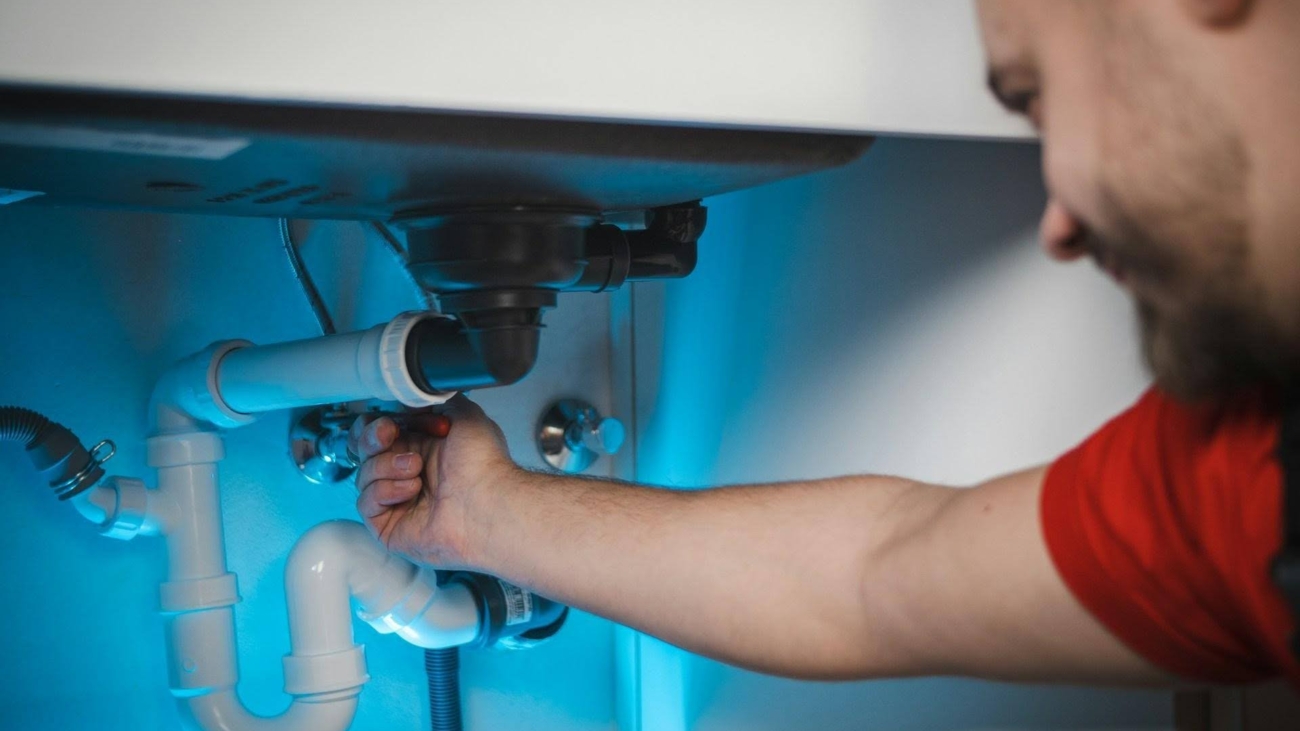
Start with the easy wins. Open the cabinets under your kitchen and bathroom sinks and look for water stains, drips, corrosion, or a musty smell. Run your hand along the supply lines and the trap to feel for moisture. Small, slow leaks waste water and quietly rot cabinets and subfloors, so catching them early saves you from a much bigger repair down the road.
If you ever hit something that looks worse than expected in Webster, TX, it is always smarter to call a licensed plumber such as Alliance Plumbing Services than to guess and risk making it worse.
2. Test Your Water Pressure
Water pressure that is too high puts stress on pipes, joints, and appliances and shortens their lifespan. You can buy an inexpensive pressure gauge that screws onto an outdoor spigot. A healthy range for most homes is roughly 40 to 60 psi. If yours reads much higher, a pressure-reducing valve may be needed to protect your system.
3. Inspect and Flush Your Water Heater
Sediment builds up at the bottom of a water heater over time, which makes it work harder, run less efficiently, and wear out faster. Draining and flushing the tank once a year clears that buildup. While you are there, look for rust, leaks, or pooling water around the base, and check that the temperature is set around 120 degrees for safety and efficiency. If you have a tankless unit, it benefits from an annual descaling too, particularly in our hard-water region.
4. Test Every Drain for Slow Flow
Run water in each sink, tub, and shower and watch how quickly it clears. A drain that is sluggish today is often a clog in the making. Address slow drains with a safe cleaning method before they become full blockages. Avoid harsh chemical drain cleaners, which can corrode pipes over time and create bigger problems than the clog itself.
5. Check Toilets for Hidden Leaks
A running toilet can waste hundreds of gallons of water without making an obvious sound. To test for a silent leak, add a few drops of food coloring to the tank and wait about fifteen minutes without flushing. If color shows up in the bowl, the flapper or fill valve is leaking and needs replacing. Also make sure each toilet flushes cleanly and refills without running on.
6. Inspect Exposed Pipes for Corrosion and Sweating
Take a look at any visible pipes in basements, crawl spaces, utility closets, and under sinks. Watch for green or white corrosion on fittings, flaking, or condensation that drips and encourages mold. Catching a deteriorating pipe before it fails lets you plan a repair on your own schedule instead of dealing with a 2 a.m. flood.
7. Clean Faucet Aerators and Showerheads
Mineral deposits clog the small screens in faucet aerators and showerheads, weakening flow and spraying water in odd directions. Unscrew them, soak them in vinegar to dissolve the buildup, rinse, and reattach. This quick task restores pressure and is especially helpful given how mineral-heavy the water is across the Houston and Clear Lake area.
8. Test Shutoff Valves
Every home has a main water shutoff, plus smaller valves at sinks, toilets, and the water heater. Valves that never get used can seize up, which is the last thing you want during an emergency. Once a year, locate your main shutoff and gently turn each valve to make sure it still works. If a valve is stuck or leaks when you move it, have it serviced so it is ready when you actually need it.
9. Inspect Outdoor Faucets, Hoses, and the Sewer Cleanout
Check outdoor spigots for drips and make sure hose bibs are not cracked. Know where your sewer cleanout is located and confirm the cap is in place and accessible. If you have noticed any gurgling drains or occasional backups, an annual sewer camera inspection can reveal root intrusion or pipe damage before it turns into a messy, whole-house backup.
10. Schedule a Professional Plumbing Inspection
Even the most attentive homeowner cannot see inside walls, under slabs, or down sewer lines. An annual professional inspection covers the parts of your system you cannot reach and gives you a clear picture of what is in good shape and what may need attention soon. Many plumbing companies offer maintenance memberships that bundle a yearly inspection with priority service and discounts, which can pay for itself the first time it catches a problem early.
Make It a Yearly Habit
Plumbing maintenance is one of those tasks that feels optional until the day it very much is not. Setting aside an afternoon once a year to work through this list helps you avoid emergencies, lower your water bills, and extend the life of your pipes, fixtures, and appliances. Pick a date that is easy to remember, such as the start of a new season, and make it a recurring part of your home care routine.
For the steps that call for a trained eye, a local, licensed plumber like Alliance Plumbing Services can handle the inspection, flush the water heater, and check the lines you cannot easily see, so your whole system stays in good working order year after year.
Alliance Plumbing Services
15502 Galveston Rd. Suite 803
Webster, TX 77598
Phone: (281) 488-0296