
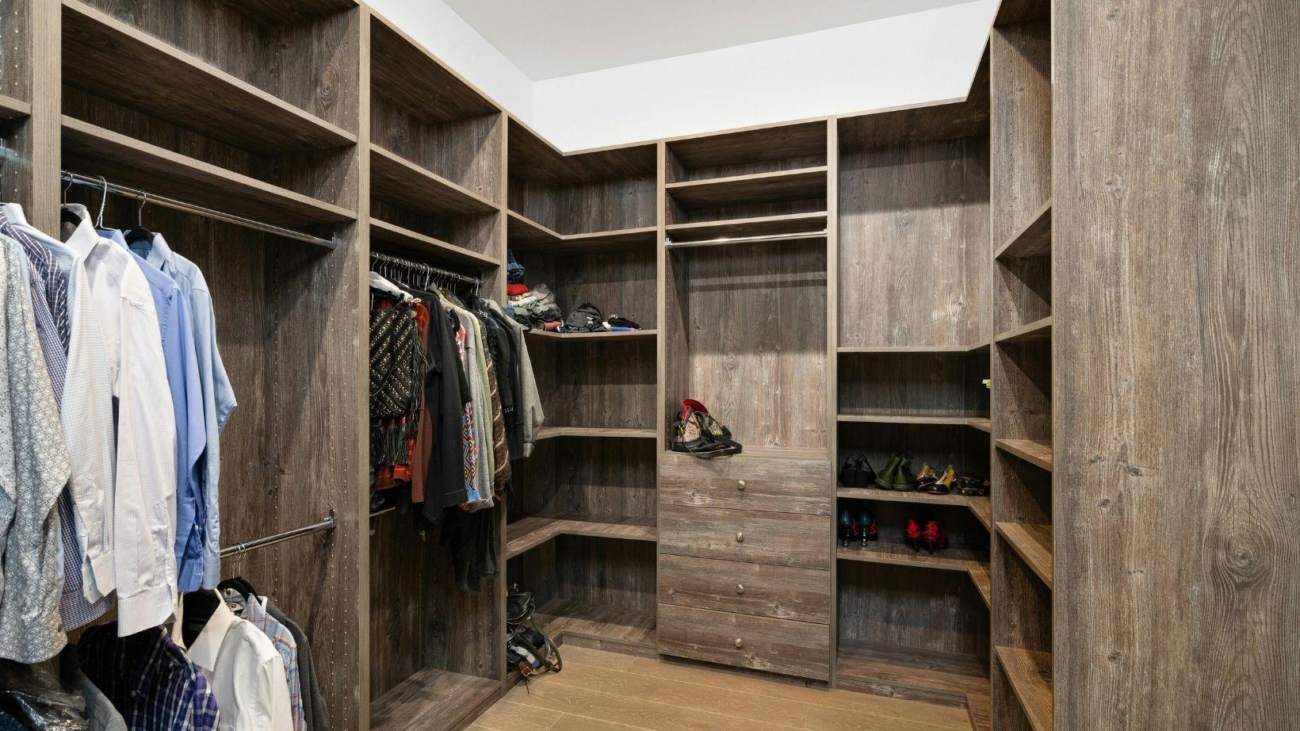
A wardrobe door should make getting dressed easier, not obstruct a walkway or collide with nearby furniture. A sliding door can free up floor space, but the door itself is only part of the decision. The opening, track, finish, and daily routine all matter. These five checks will help you decide whether a wardrobe slider suits your room and what to consider before choosing one.
1. Space That Works With the Room
Before choosing a door, measure the floor area and note where furniture, drawers, and the bedroom door sit. A sliding panel travels alongside the wardrobe, so it avoids the swing space a hinged door needs. The track still needs clear access. Comparing wardrobe sliders in NZ can help you assess available styles, but check that each option suits your opening and room layout.
Consider how you move through the room each day. A slider frees the space a hinged door would occupy, but you cannot open the full wardrobe at once. The panels overlap, leaving part of the storage covered while another section is open.
Mark the door’s travel path on the floor with removable tape. Check whether a bedside table, laundry basket, or other regular obstacle would block it. This quick test can reveal a layout issue before installation.
2. Smooth, Quiet Everyday Use
Wardrobe doors get used often, so they should move smoothly and stay on track. The track and rollers guide each panel. If the track is obstructed or poorly fitted, the door can drag, stick, or rattle. Ask how the system moves and what care it needs.
Keep the track clear of dust and small objects, and follow the care instructions for the door. If it starts moving unevenly, check for an obstruction before forcing it. Repeated force can strain the moving parts.
Think about who will use the wardrobe. A door that feels simple to one person might be awkward for a child or someone with limited reach. Test the opening and closing action, and check that the handle is comfortable to grasp from where you usually stand.
3. A Finish That Suits the Bedroom
Wardrobe doors cover a large area, so their finish has a noticeable effect on the room. Choose a colour and surface that work with the walls, flooring and furniture. A simple finish keeps the wardrobe understated; a decorative panel can make it a focal point.
Before settling on a finish, weigh practical needs alongside appearance. These checks can help narrow your options:
- Compare the colour to the room’s fixed finishes.
- Check whether the surface shows fingerprints or dust.
- Choose a style that will suit the room if you change the furniture.
- Ask how to clean the material without damaging its finish.
Wood, glass and mixed materials suit different interiors. Check which finishes are available for the specific door rather than assuming every option comes with every system. A sample viewed in the bedroom’s natural light gives you a clearer sense of its colour than a screen image does.
4. Access That Matches Your Storage
A slider changes how you reach the wardrobe. Since the panels overlap, you cannot expose the full opening at once. That matters if you use several storage sections each morning or need to reach long items without shifting other belongings.
Before choosing a configuration, map the wardrobe’s contents. Put everyday clothes where you can reach them easily, and note whether drawers, shelves, or hanging space are behind the section that will be opened most often.
Check how much access each panel arrangement gives you, especially if you share the wardrobe. Ask whether the panels will let you reach the sections you use most. The configuration should suit how you organise your belongings, as well as the look of the closed doors.
5. A Proper Fit and Installation Plan
Even a well-chosen door needs an accurately measured opening and careful installation. Before ordering, confirm who will measure the space, what details they need, and whether the existing frame or surrounding surfaces need work. A visual estimate is not enough.
Ask what preparation the opening needs and how the track will be secured. Professional installation is worth considering if the opening is uneven, the door is heavy, or you are unfamiliar with the fitting process. Clear answers let you compare installation plans and understand what the job involves.
Agree on how the door should move and sit when closed. Check that the panels move freely and rest in the intended position. Inspect the finished installation and raise any alignment or movement problems before the job is complete.
Conclusion
A wardrobe slider is a practical choice when it solves a space problem and suits your room, storage, and daily routine. Start by checking the door’s travel path, then consider access, finish, and installation before choosing a style. Measure the opening carefully and ask how the track and panels will fit. These checks help you choose a door that works well in everyday use.