
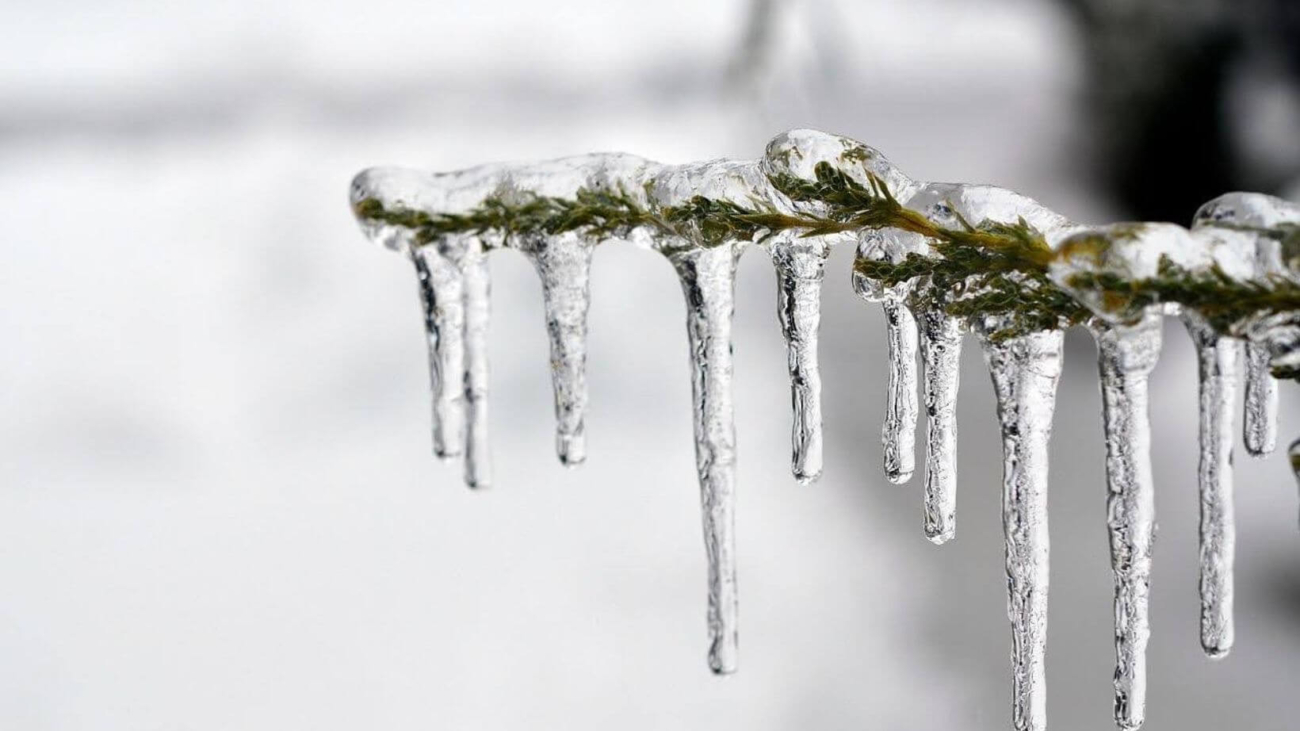
Under the fluctuating temperatures, heating and cooling systems have to operate more frequently, harder, and keep the spaces comfortable in conditions demanding more effort. Knowing how your system reacts and how to keep it healthy may make it work less, break less, and save money before hiring an air conditioning service in Walnut Creek, CA.
This guide will discuss what occurs with a large temperature change, which components experience the most tension, and how this can be practically prevented to avoid HVAC temperature stress.
How HVAC Systems React to Rapid Temperature Shifts
HVAC systems have to react fast when there is a change in temperature to help ensure a comfortable environment. Such drastic fluctuations may cause inefficient cycling trends, such as:
- Short cycling, in which the system switches itself on and off very often.
- Long run cycles, particularly on extreme highs or lows.
- Dual-mode stress: This is when both heating and cooling operations are needed to be performed within short intervals.
Due to the fact that HVAC systems are created to address gradual changes, but not constant ones, sudden changes compel the equipment to adjust over and over again. It will cause more energy consumption and HVAC temperature stress.
Specific HVAC Components That Experience Stress
Large temperature variations do not have the same effect on each component of the system. Components have a more significant stress than others:
Compressors
The compressor functions the most when it is at temperature extremes. The fast alterations may lead to immediate pressure variations in the refrigerant system.
Blower Motors
During quick shifts, blowers circulate at different speeds with either hot or cooled air. Belts, bearings, and fan assemblies may become worn out because of overuse.
Heat Exchangers
The heat exchanger constantly expands and contracts with hot days and cold nights, and this may eventually lead to cracks.
Coils (Condenser Coils and Evaporator Coils)
HVAC also causes coils to be sensitive to humidity and temperature fluctuations in HVAC. In the long run, sudden falls may result in corrosion challenges, freezing, or condensation.
Consequences of Temperature-Related Stress
The consequences of the swift temperature changes can be divided into several long- and short-term problems:
- Less efficiency in the system because parts strive to make up.
- An increase in energy costs as a result of longer or increased run cycles.
- Higher maintenance requirements, particularly for compressors and motors.
- Wet issues such as coil freezing-ups, condensations.
These are normally cumulative effects, and it is observed that the homeowners ensure that the issues are resolved at an early age.
Early Signs Your HVAC System Is Struggling
Stresses due to temperature are not associated with instant failure. Rather, it causes its symptoms, which are very subtle but which should be monitored by the homeowners:
- Prolonged warmer or colder warming or cooling period.
- Frequent on/off cycling.
- Noise in the compressor or blower that is loud or unusual.
- There was a sharp increase in the utility bills even when there was no dramatic change in lifestyle.
- The adequate supply of ventilation has been reduced.
- Musty smell or burning smell.
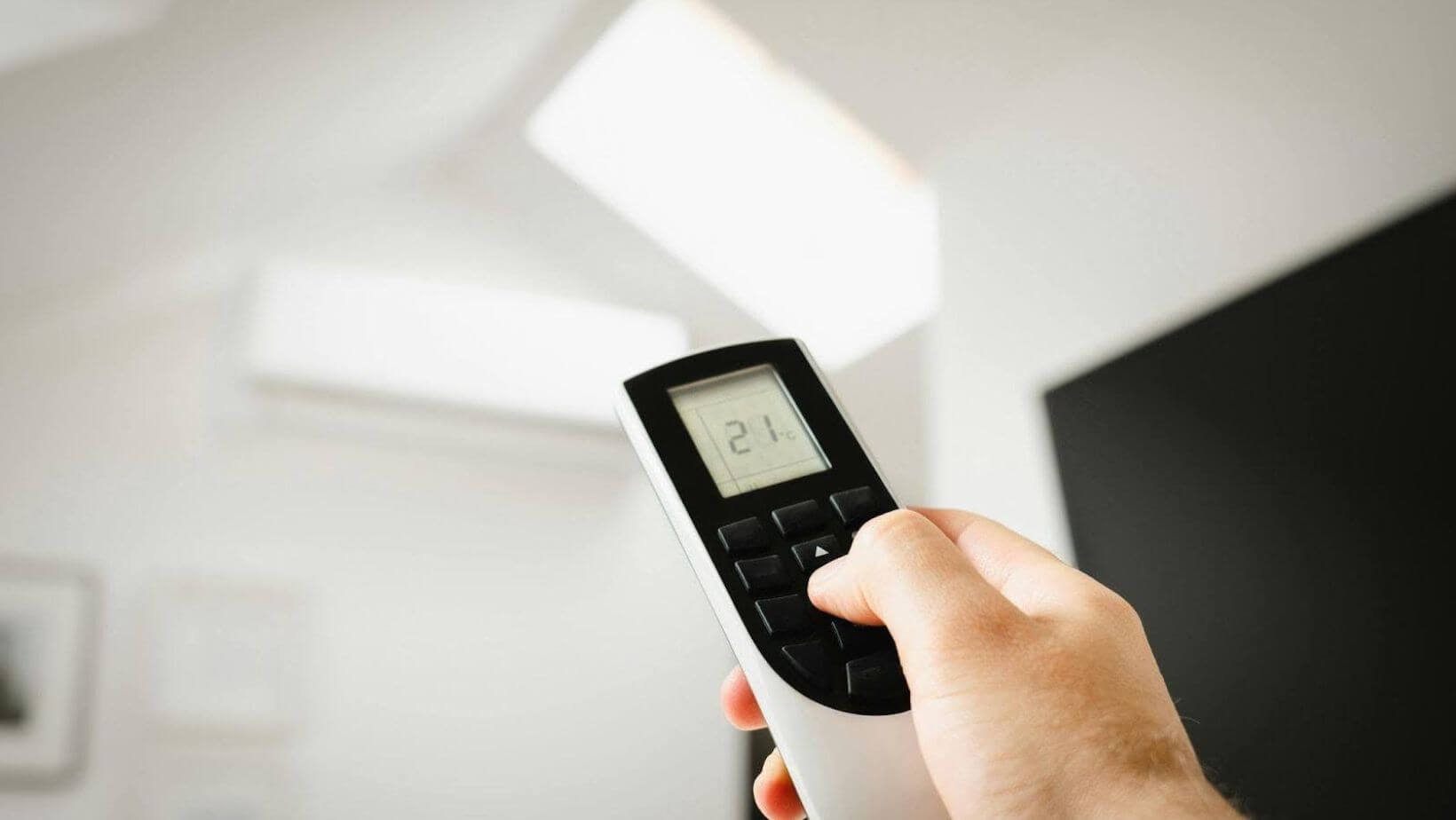
Chill Heating and Cooling is one of the numerous service providers that often help homeowners to solve and mitigate these temperature-related issues.
How Homeowners Can Reduce Stress on HVAC Systems
Outside weather is something you can not control; however, you can do something to reduce the effect of temperature fluctuations on HVAC systems. Some of the strategies that have worked out include:
1. Use a Smart Thermostat
Smart thermostats are able to change temperatures slowly and eliminate extreme fluctuations in the house.
2. Improve Home Insulation
Improved insulation allows one to regulate the indoor temperatures, therefore making the HVAC system react less frequently to the external fluctuations.
3. Seal Air Leaks
The conditioned air escapes through cracks around the doors, windows, and ductwork. When they are closed, it means that there is a lesser burden on the system.
4. Use Zoning Systems
Zoning would not allow the whole house to be conditioned at the same time, and this would allow the system to deal with temperature swings more effectively.
Maintenance Tips to Protect Your System
Areas of extreme shifts in temperature are of greater importance in terms of maintenance. Homeowners could also save the average repair cost of $375. Homeowners can follow these HVAC maintenance tips:
- Checks of filters monthly
- Professional tune-up once every year
- Cleaning outdoor condenser units regularly
- Checks on the inspections of coils to stop freezing or corrosion.
When to Consider Repair or Replacement
Over time, a system working with big temperature changes may be driven so far that it can no longer be repaired in practice. Repair or replacement should be thought of by the homeowners in case:
- The cost of repair is more than the system value.
- Frequent breakdowns
- The cost of energy has been on the increase.
- Maintenance does not help the levels of comfort.
The use of a professional technician may determine the use of targeted repair or complete replacement, which will be more beneficial in the long term.
Key Takeaway
Radical variations in day-night temperatures place much pressure on HVAC systems and require them to adapt quickly to the new conditions. The initial action that can be undertaken by homeowners is to improve the insulation, install smart thermostats, maintain their systems, and monitor the initial signs of trouble.
Your HVAC system will be reliable and even efficient, even in the regions where the temperature changes drastically, when maintained and fixed when required.