
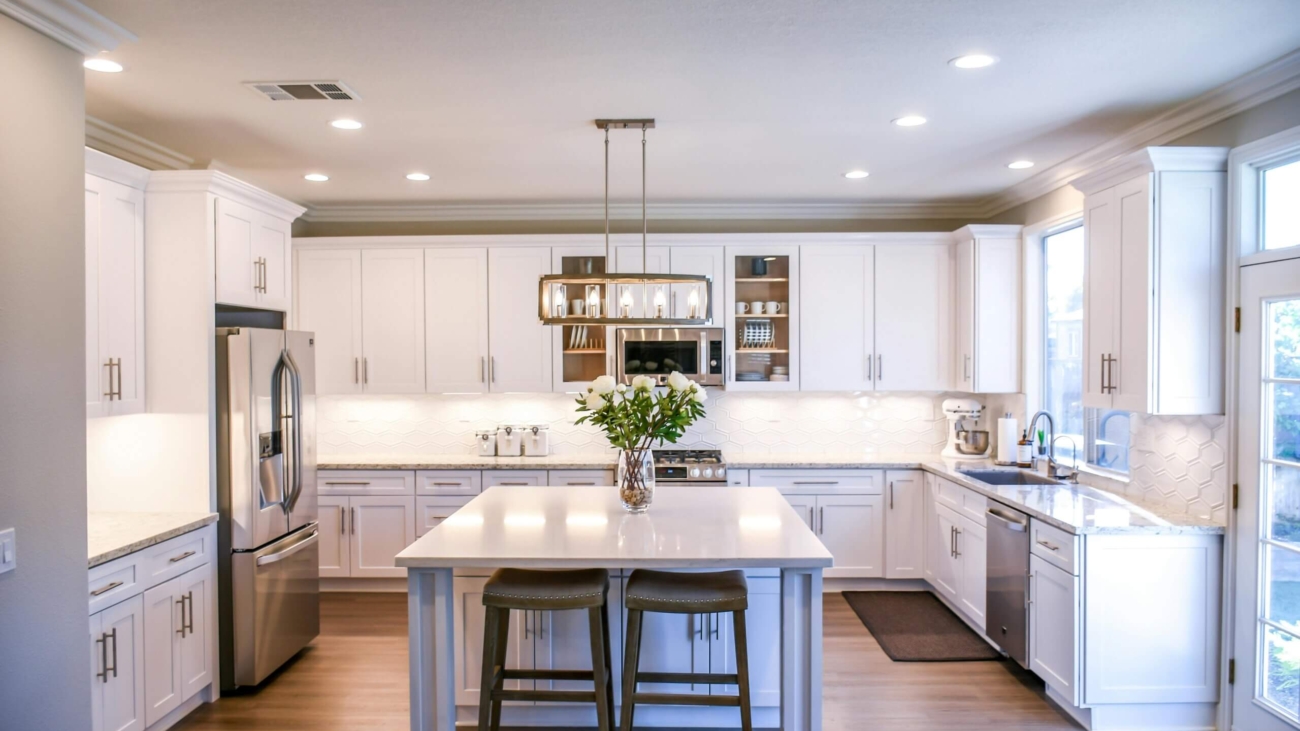
An efficient kitchen is really a well-coordinated workshop with every movement premeditated and all tools accessible. While appliances and countertops are the areas of interest, the real engine of this efficiency is a well-thought-out cabinet layout. Effective design of your storage areas will help you eliminate frustration in your day-to-day life and make cooking a seamless process. This article breaks down simple ways to design cabinet layouts that boost everyday kitchen efficiency.
Mastering the Workflow Triangle
The traditional work triangle connecting your sink, stove, and refrigerator remains a key principle for reducing unnecessary movement. Your cabinet design should facilitate and complement this flow. Base cabinets and drawers are supposed to store the products where they are initially utilized. For example, keep dishes and cleaning supplies near your dishwasher and sink. Store pots, pans, and cooking oil should be stored in cabinets close to your stove.
Continuous counter space along every side of this triangle is essential. This involves carefully designing cabinet placement and appliance locations to provide sufficient landing zones alongside important fixtures. A pantry cabinet or tall storage unit needs to be located near but outside the major paths of this triangle configuration to provide access without interfering with the cook. This design promotes a logical, circular flow that keeps meal preparation moving smoothly from one task to the next.
Creating Dedicated Activity Zones
Modern kitchen design extends beyond the triangle to create specialized zones for specific tasks. This involves grouping cabinets and drawers to support a singular activity. A baking zone, for example, might combine a base cabinet for mixing bowls. It could also include a shallow drawer for measuring tools and a countertop appliance garage for a stand mixer. This consolidation of related items turns a scattered process into an efficient, contained operation.
Similarly, consider establishing a dedicated beverage station or a packing zone for lunches. Upper cabinets in these areas can store glasses or containers, while base pull-out drawers hold related supplies. This zoning method organizes items by task and allows multiple people to use the kitchen simultaneously without crossing paths. Consulting with a specialist in cabinetry, Rehoboth Beach, DE, can help translate these zone concepts into a fully customized and functional layout tailored to your household’s unique rhythms.
Incorporating Intelligent Storage Solutions
Efficiency is not just about location but also about accessibility. Standard shelves in deep base cabinets often result in items being forgotten in the back. The solution lies in integrated specialized storage hardware. Full-extension drawer slides, shelf organizers, and corner carousels maximize space usability. They also improve the visibility of every item with a simple, easy pull.
Do not overlook vertical space. For example, baking sheets and cutting boards fit well in tall, narrow pull-out cabinets beside the refrigerator. You can also add trays for cleaning supplies in the unused space below the sink. The goal is to reduce digging, bending, and reaching. This transforms static storage into dynamic, easily managed inventory that serves your daily routines.
Endnote
Creating a cabinet layout for optimal efficiency requires thoughtful foresight. By respecting the workflow triangle, establishing specific activity areas, and using smart storage solutions, you design a kitchen that seamlessly complements your workflow. This methodological approach to cabinetry minimizes mess and stress, resulting in a space where practicality and convenience take center stage, enabling you to concentrate on the pleasure of cooking and connecting.