

Keeping a home safe requires more than just locking doors. A well-protected house reduces the risk of property damage, theft, and injuries and creates peace of mind for everyone living there.
Home security involves both physical measures and proactive planning. Seasonal storms, break-ins, and unforeseen accidents highlight the importance of maintaining a secure environment.
Taking steps now can prevent problems and protect both residents and possessions.
Reinforcing Windows and Doors
Windows and doors are common entry points for both weather and intruders. Strengthening these openings is a key part of home security.
Choosing the right materials and designs can make a significant difference. For coastal or storm-prone areas, homeowners may want to think about what to look for in hurricane impact windows, which combine strength with energy efficiency. Laminated glass, reinforced frames, and proper installation help these windows withstand strong winds, debris, and protect the home.
For doors, solid-core models with secure locks and strike plates improve resistance to forced entry. Checking frames and hardware regularly guarantees doors and windows remain effective barriers.
Weatherproofing doors and windows adds protection against water intrusion during heavy rains.
Caulking, seals, and proper alignment prevent leaks that can damage walls and flooring. Attention to these details keeps interiors safe and improves the security of the property.
Outdoor Lighting and Visibility
Proper exterior lighting deters intruders and improves safety around the property. Motion-activated lights, path lighting, and well-lit entrances reduce blind spots and make approaching the home more difficult for unwanted visitors.
Keeping shrubs and trees trimmed near entry points improves visibility and reduces hiding spots.
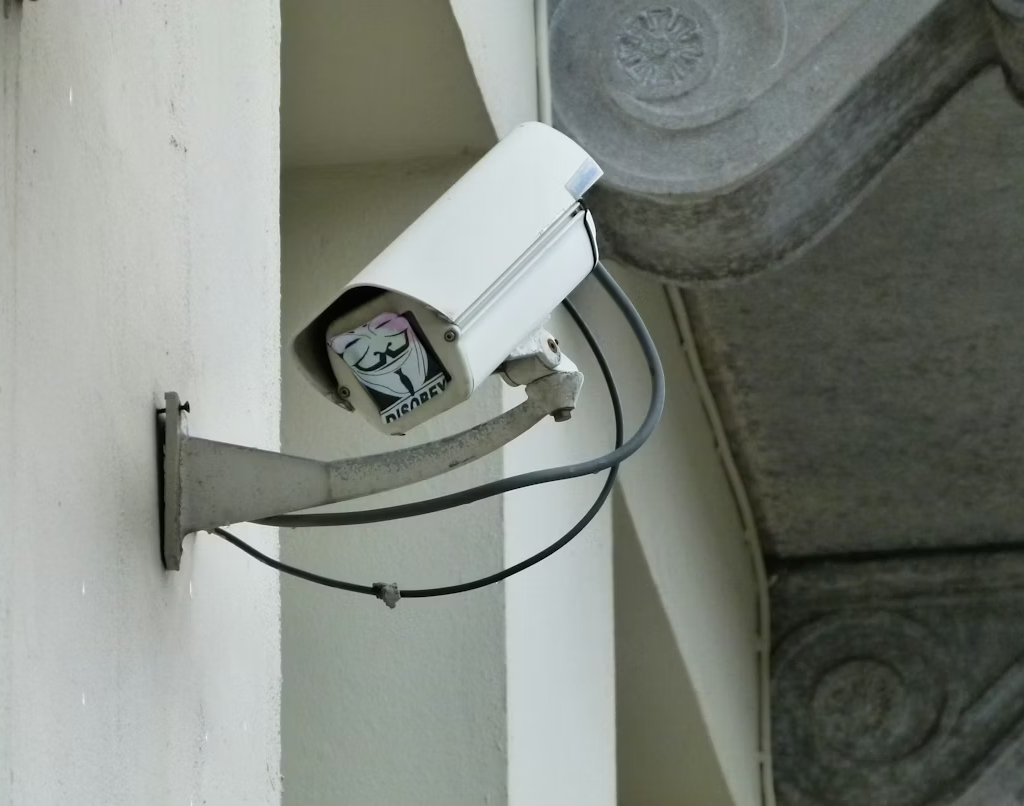
Surveillance cameras and visible signs indicating monitoring systems act as additional deterrents. A combination of lighting, landscaping, and technology strengthens security without making the home feel like a fortress.
Regularly checking and replacing bulbs guarantees consistent illumination and prevents dark areas from forming around your property.
Using timers or smart controls can automate lighting schedules, conserving energy and maintaining safety. Highlighting walkways, driveways, and stairs with subtle lighting reduces the risk of trips and falls after dark.
Installing lights with adjustable brightness or direction allows you to balance visibility and comfort, avoiding harsh glare. Coordinating lighting with outdoor décor improves curb appeal and keeps safety a top priority year-round.
Security Systems and Technology
Modern security systems provide monitoring and alerts that help homeowners respond quickly to potential threats.
Alarm systems, doorbell cameras, and motion sensors track activity and notify residents or authorities of unusual behavior. Smart home integration allows remote access to cameras, locks, and lights, making it easier to secure a property even when away.
Setting up alerts for unusual activity or entry attempts helps homeowners address issues quickly. Combining technology with physical measures creates a layered approach to security.
Regularly updating system software and passwords guarantees that security devices remain effective against evolving threats. Integrating security features with lighting and outdoor sensors improves detection and response capabilities.
Placing cameras and sensors strategically around entrances, windows, and vulnerable areas maximizes coverage.
Periodic testing of alarms, locks, and alerts confirms that all components function correctly. Educating household members on system use and emergency protocols strengthens safety and readiness.
Securing Valuables and Entry Points
Interior security is just as important as exterior measures. Locking cabinets, safes, or drawers keeps valuable items protected. Large windows should have blinds or shades that prevent outsiders from seeing inside.
Garage doors, often overlooked, can be reinforced with secure locks and monitored electronically. Keys and garage remotes should be managed carefully to avoid unauthorized access. A proactive approach to internal security reduces risk and adds peace of mind.
Installing door and window sensors can alert homeowners to unexpected entry attempts, adding an extra layer of protection. Reinforcing door frames and hinges with durable materials helps prevent forced access.
Using a combination of biometric locks on safes increases security for particularly valuable items. Regularly reviewing who has access to keys or security codes guarantees that only trusted individuals can enter sensitive areas.
Incorporating these practices alongside exterior measures creates a comprehensive approach to home safety.
Seasonal and Environmental Considerations
Homes face threats from seasonal conditions such as storms, hurricanes, and heavy rains. Reinforcing roofing, gutters, and drainage systems helps minimize damage during severe weather.
Storm shutters, impact windows, and reinforced doors improve resistance to wind and flying debris. Landscaping can play a role as well; clearing weak branches or loose objects reduces the chance of damage.
Preparing for environmental risks complements other security measures, keeping the property safe in all conditions.
Regular Inspections and Maintenance
Routine checks are important for maintaining security measures. Inspecting doors, windows, locks, and alarms helps identify vulnerabilities before they are exploited. Some areas to focus on include:
Maintaining these elements prevents minor issues from becoming major security gaps. Consistent upkeep guarantees that both hardware and technology function effectively.
Planning for Emergencies
Even with strong preventive measures, emergencies can still occur. Homeowners should have a plan for storms, break-ins, or other unexpected events. Emergency supplies, backup power sources, and safe evacuation routes help reduce risk during critical situations.
Educating family members on how to respond and assigning responsibilities guarantees everyone knows what to do. Drills and preparation improve response time and reduce potential damage or injury.
Combining Measures for Maximum Security
No single strategy guarantees complete protection. A combination of strong windows and doors, lighting, technology, interior precautions, and emergency planning provides the most comprehensive approach.
Reinforcing entry points, monitoring activity, maintaining visibility, and preparing for environmental risks work together to minimize vulnerabilities. Taking steps in multiple areas creates a secure, resilient home that withstands both natural and human threats.
Securing a home is an ongoing effort that blends preventive action, regular maintenance, and planning. Prioritizing reinforced entry points, advanced security technology, lighting, and internal safeguards reduces risk and promotes confidence for all residents.
Seasonal preparation, routine inspections, and emergency readiness strengthen these measures, ensuring the home remains safe and comfortable.
Investing time and attention in security strategies prevents costly damage and protects the people and belongings that matter most. Small, consistent actions make a home resilient against threats of all kinds.