
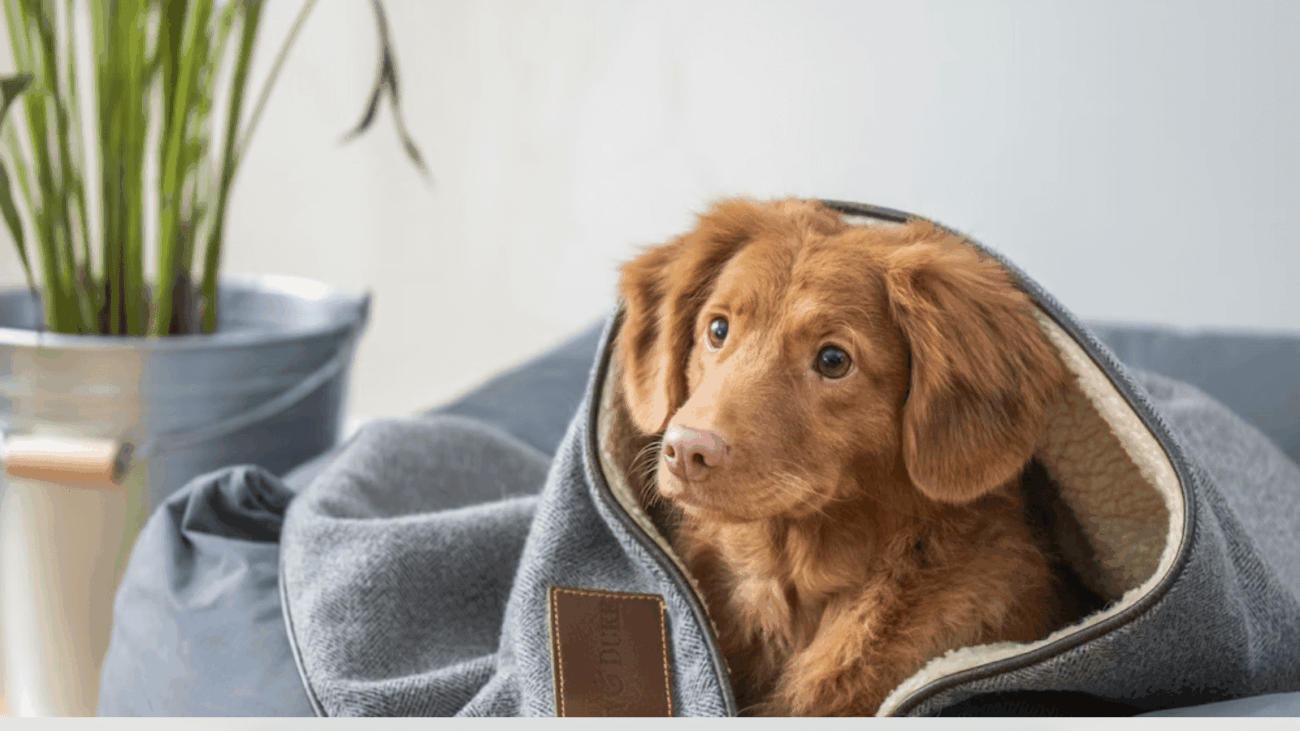
A dog’s favorite spot at home often becomes a steady source of comfort. It can lower stress, reduce pacing, and help your dog settle during noisy moments or busy evenings. A dedicated retreat does not require a large room or expensive upgrades. A quiet corner and a few thoughtful choices can create a space your dog will use every day.
The best dog retreats balance comfort, safety, and routine. Dogs notice temperature changes, drafts, slippery floors, and household traffic patterns. When you design a cozy corner with those details in mind, your dog gets a predictable place to rest, recharge, and feel secure.
Choose the Right Corner and Base Setup
Start by picking a spot where your dog can relax without constant foot traffic. Corners near hallways, kitchen routes, or frequently used doors can keep a dog alert instead of calm. A corner in a living room or bedroom can work well if it stays away from loud speakers, bright windows, or areas where people often step over the dog.
Once you choose the location, focus on the foundation. Many owners like sofa-style dog beds since they offer raised edges that can feel like a gentle boundary while still providing a soft surface. Place the bed so your dog can see part of the room without feeling exposed from every angle. This positioning can help dogs feel included while still having a private retreat.
Make the Surface Warm, Stable, and Easy to Clean
Dogs relax faster on surfaces that feel secure. If the floor is slippery, add a rug or non-slip mat under the bed to prevent sliding. Dogs that shift positions often may avoid a spot that moves beneath them. A stable surface protects joints and encourages longer rest.
Cleaning matters for comfort and health. Choose washable covers or add a blanket that you can rotate frequently. Keep the space dry and free of lingering odors, since strong smells can make dogs avoid a favorite area. A quick weekly refresh helps the retreat stay inviting.
Use Layers That Match Your Dog’s Needs
Layering can improve comfort without clutter. A thin blanket can add warmth for short-coated dogs, while a cooling pad may help dogs that run hot. Senior dogs often benefit from supportive cushioning that eases pressure on hips and elbows. Puppies may need simpler bedding that can handle accidents without becoming a hassle.
Watch how your dog sleeps. If your dog curls tightly, they may prefer a snug feel or raised sides. If your dog sprawls out, they may need more open space. Adjust the setup based on behavior rather than what looks best in the room.
Add a Sense of Security With Gentle Boundaries
Dogs often feel calm when a space has clear edges. A corner already provides two walls, which can feel protective. You can enhance that effect by placing a low shelf, a small screen, or a chair nearby to create a partial barrier. Avoid blocking airflow or making it hard for your dog to leave quickly.
Some dogs like a covered option, such as a crate with an open door or a soft canopy. The goal is choice. Your dog should be able to retreat deeper when they want quiet, then come back out easily when they want to rejoin the household.
Control Light, Noise, and Drafts
Noise and airflow can make a corner uncomfortable. A spot near a vent can create cold drafts that interrupt sleep. A corner next to a loud appliance can cause subtle stress, even if your dog seems used to it. Try to choose a calm zone, then adjust the environment as needed.
Soft lighting often helps. If the corner sits in a bright sunbeam all afternoon, the space may become too warm. If it sits in a dark, cold area, your dog may avoid it. Simple changes like moving the bed a few inches, closing a vent, or adding a light throw can make a big difference.
Add Comfort Objects Without Overcrowding
A cozy retreat can include one or two familiar items. A favorite toy, a chew, or a small blanket that smells like home can encourage your dog to use the space. Keep the item count low so the corner remains restful rather than stimulating.
If your dog tends to guard toys, avoid placing high-value items in a shared area where other pets might approach. Choose calm objects that promote settling. Rotate items occasionally to keep the space fresh while staying predictable.

A cozy corner retreat can improve your dog’s daily comfort and make your home feel calmer. The most effective setups focus on a quiet location, a stable surface, supportive bedding, and a sense of security. Small adjustments to light, temperature, and noise can turn an unused corner into a favorite resting spot.