
Work has changed faster than many job sites and offices can keep up with. People now expect support that matches real life, not just a desk and a paycheck. Workforce accommodations have become a practical way to keep teams healthy, present, and productive.
Good accommodations do not mean unlimited extras. They mean removing barriers that stop capable people from doing solid work.
Accommodations as a tool for staffing and stability
Hiring is not just about pay. It is about whether a job fits into a person’s day without constant friction. Accommodations reduce that friction by addressing common pain points like commute distance, schedule limits, or short-term relocation.
When accommodations are planned up front, they can cut last-minute chaos. Managers spend less time scrambling for coverage, and workers spend less time choosing between work and basic needs. That stability can lower turnover in demanding roles.
Housing support when the job is far from home
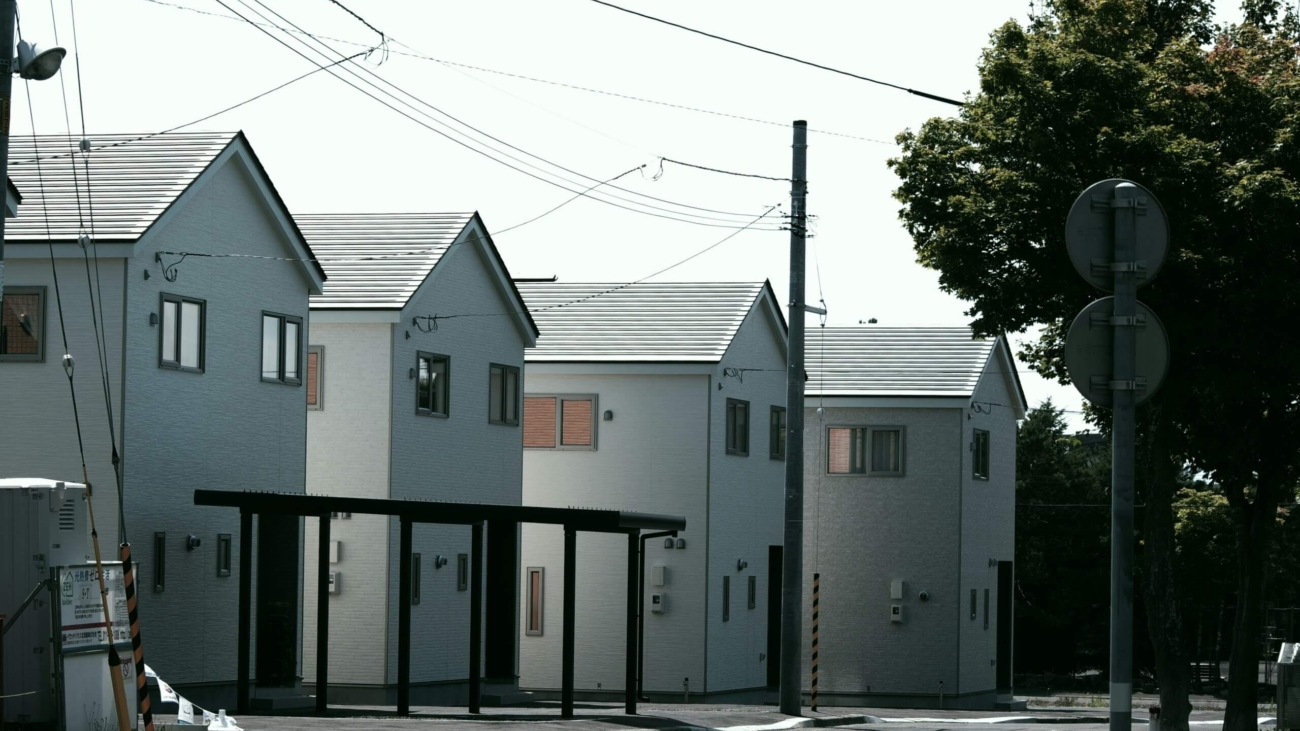
Some roles require people to move fast and live close to the work for a short stretch. When a job site sits far from the local rental market, teams may rely on temporary housing innovation to keep crews staffed with predictable rest. Comfort and predictability matter, since fatigue raises risk. Small details, such as strong Wi-Fi, can lift morale.
Housing support works best when it feels like part of the job plan, not a personal favor. Clear check-in rules, quiet hours, and basic privacy standards help people rest and show up ready the next day.
A closer look at what “housing” can mean
Temporary housing can range from company-paid hotel blocks to move-in-ready units near a site. The right choice hinges on headcount, duration, and local services. A short bridge stay can cover the gap before a lease starts, or support rotating shifts that change every 2 weeks.
Setting boundaries so accommodations stay fair
Accommodations can fail when people do not understand who qualifies or why. A strong policy starts with job needs and safety, then maps support options to those needs. It should spell out what is required from the worker, what the employer provides, and what happens if plans change. Clear rules help people trust the system.
Useful guardrails often include:
- Eligibility rules tied to role and site
- A simple request and approval path
- Time limits with renewal options
- A clear budget cap per person or per week
- Privacy and conduct expectations in shared spaces
Fairness improves when feedback loops exist. Short surveys after a rotation, plus a single point of contact, can reveal small issues before they become big ones.
Child care support keeps hours on the calendar
Child care is often treated like a personal problem. Work schedules still depend on it, so the impact shows up on shift rosters and project timelines. A Goldman Sachs report in 2024 noted that more than 35% of small business owners said employees had to cut hours or skip work entirely when child care costs or availability got in the way. Missed hours hit paychecks and project deadlines fast.
Accommodation does not have to mean an on-site center. Many workplaces start with predictable scheduling, backup care stipends, or partnerships with local providers. The key is matching support to the hours a job demands, including early mornings and weekends.
Rent assistance and stipends are moving into the mainstream
Housing costs can rise faster than wages, even in areas that used to feel affordable. Employers have responded with rent help, relocation stipends, or short-term support for new hires. A Newsweek report in 2024 cited a survey finding that 47% of employers were considering or already providing rent assistance. Stipends can be temporary, tied to start dates.
These programs work best when they are simple. A flat stipend with clear documentation rules is easier to manage than a complex reimbursement plan. Workers value speed and clarity, since rent is not flexible when payday arrives.
Modular options help scale short-term housing capacity
When projects land in areas with limited rentals, housing supply becomes a bottleneck. Offsite and modular construction can add capacity without the long timeline of a full site-built community. Offsite Builder reported that modular construction held 6.6% of the total construction market as of 2023, suggesting there is room for growth when speed and repeatable quality matter. Standard layouts speed setup and simplify maintenance.
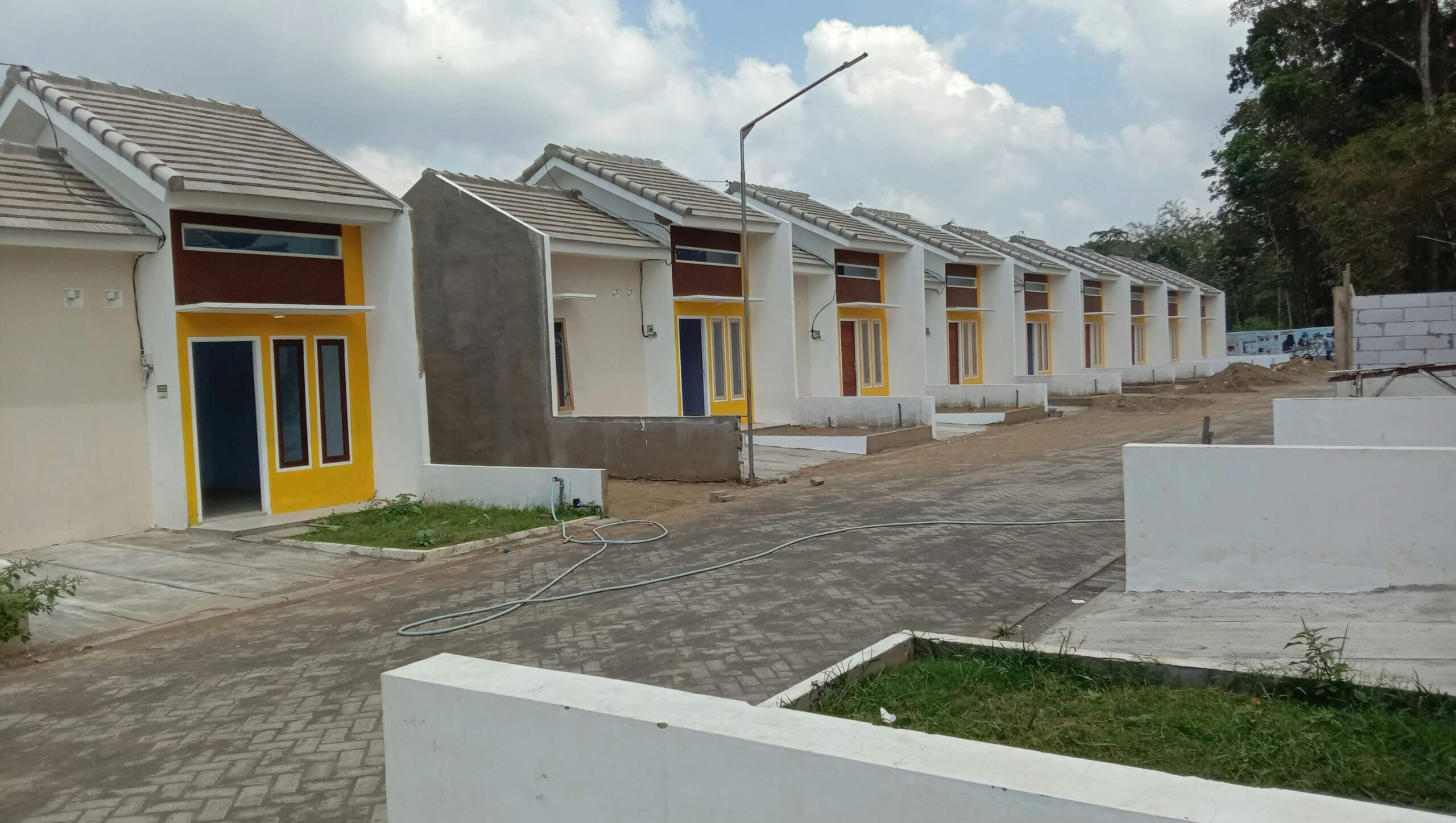
Modular setups can support privacy, climate control, and shared amenities in a predictable footprint. They can pair well with rotating crews, since units can be expanded, reduced, or relocated as demand shifts.
Modern accommodations work best when they solve a clear work barrier and are easy to understand. The goal is stable staffing, safer routines, and fewer avoidable absences. When support aligns with real constraints, teams can focus on the work instead of the workaround. Small, steady upgrades often beat big, confusing programs.