
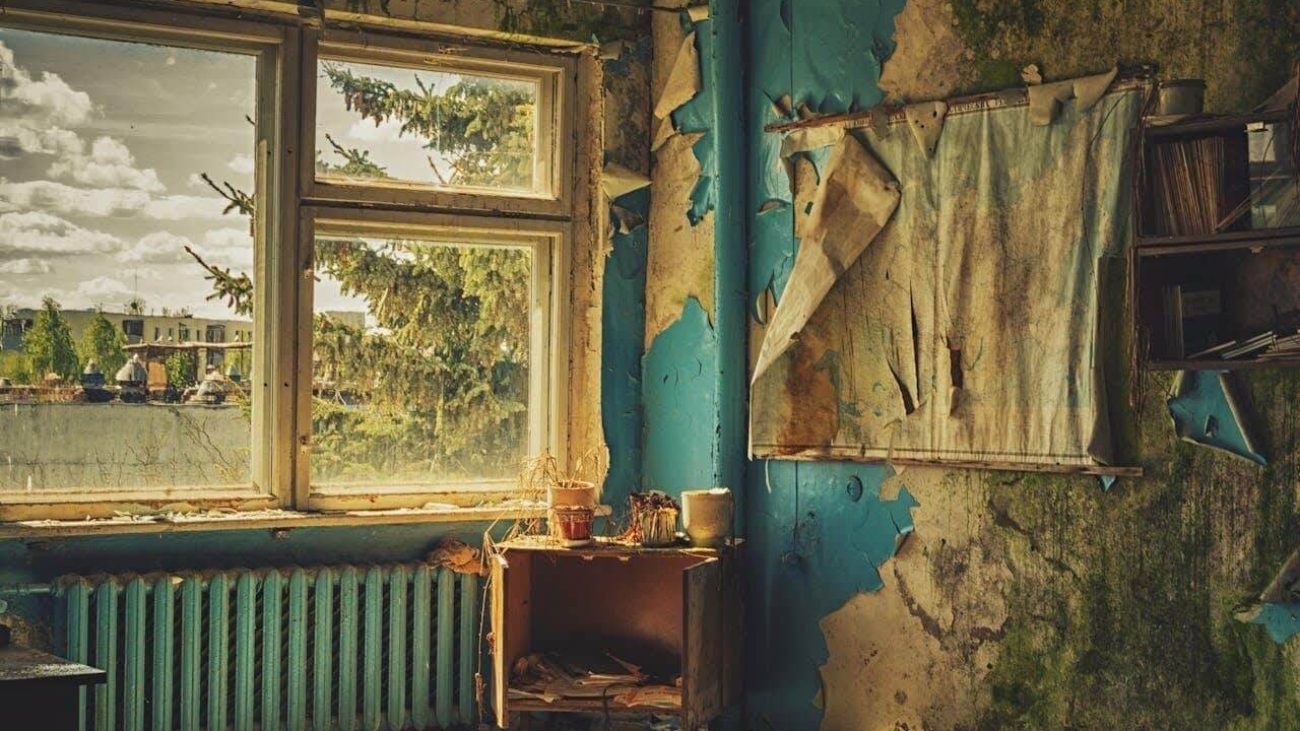
You found a buyer. You are excited. Then the home inspector walks through your house and points to that one corner of the ceiling where the paint has been quietly bubbling for months. Suddenly, everything feels uncertain. If you are selling a home in North Carolina and dealing with peeling paint, you are probably wondering just how much trouble you are actually in. Is it a dealbreaker? Does it lower your price? Will buyers walk away?
The short answer is, it depends. Peeling paint can be a minor cosmetic issue or a sign of something bigger hiding underneath. Knowing which one you are dealing with makes a huge difference in how you handle the sale.
Why Peeling Paint Worries Buyers More Than You Might Think
Most buyers are not just looking at the surface when they see peeling paint. They are asking themselves what caused it. Moisture? A leaky roof? Poor ventilation? Old age? Paint peels for many reasons, and not all of them are serious. Sometimes it is just old paint that has dried out over the years of sun and weather. Other times, it can signal water damage, mold behind the walls, or structural issues.
When a buyer sees peeling paint, their mind often goes to the worst-case scenario. That is just human nature. Even if the cause is completely harmless, it creates doubt, and doubt can slow down a sale or push buyers to make lower offers.
In North Carolina, where summers are hot and humid, moisture-related paint problems are pretty common. This means buyers in this market are often already on the lookout for such issues. A little peeling paint can carry more weight here than it might in a drier climate.
What North Carolina Law Says About Disclosing Paint Issues
North Carolina has a Residential Property Disclosure Act. This law requires sellers to disclose known material defects in their home. Peeling paint itself might not always constitute a material defect, but if the cause of the peeling paint is something bigger, like water intrusion or mold, that absolutely needs to be disclosed.
If you are selling a home built before 1978, there is another layer to this. Federal law requires sellers to disclose if the home may have lead-based paint. Peeling paint in an older home can raise lead paint concerns, which adds a whole different level of complexity to your sale. Buyers have the right to request a lead paint inspection, and many lenders will require it before approving a loan.
How Peeling Paint Affects Your Home’s Value
Even when peeling paint is purely cosmetic, it affects how buyers perceive value. A home that looks well-maintained signals to buyers that the seller cared about the property. Peeling paint does the opposite. It suggests neglect, even if everything else is in great shape.
Buyers who are financing the purchase through an FHA or VA loan are in a more complicated situation. These loan programs have strict property condition requirements. If your home has peeling paint and the buyer is using one of these loan types, the lender may require the paint issue to be fixed before closing. That means you could be forced to make repairs whether you planned to or not, which is an important consideration when planning your overall investing strategies.
In a competitive market, buyers have options. They will often pass on a home that needs work unless the price reflects that. You may get offers, but they are likely to come in lower than you hoped or include repair credits that eat into your profit.
Fixing It Yourself vs. Selling As-Is (What Makes Sense)
If the peeling paint is minor and the underlying cause is not serious, fixing it yourself before listing can pay off. A fresh coat of paint is one of the cheapest and most effective ways to boost curb appeal. Buyers respond well to a clean, well-painted home, and it can help you avoid price negotiations later.
On the other hand, if the peeling paint is connected to a bigger issue: water damage, old pipes, or structural movement, patching the paint without fixing the root problem is not a good idea. Buyers and inspectors will likely find the underlying issue anyway, and trying to cover it up can cause legal problems down the road.
Selling as-is is a legitimate option in North Carolina, and many sellers in this situation choose it. Working with a company like Cape Fear Cash Offer allows you to skip the repairs entirely and sell your home without going through the traditional listing process. This can be a smart move when the cost of fixing everything outweighs what you would gain in sale price.
What a Home Inspector Will Say About Peeling Paint
During a standard home inspection, the inspector will note any peeling, flaking, or bubbling paint. They will also try to identify the cause if it is visible. If moisture is involved, they may recommend a more detailed inspection or flag it as a potential concern.
Inspection reports can make buyers nervous, especially first-time buyers. Even a simple note about peeling paint can prompt them to ask for repairs or credits. Being proactive about disclosing the issue upfront and either fixing it or pricing accordingly can prevent you from losing a deal at the inspection stage.
Peeling Paint on Exterior vs. Interior: Does Location Matter?
Yes, it does. Exterior peeling paint is more visible and often more concerning to buyers because it is exposed to the elements. It can also affect the structural integrity of wood siding or trim over time if left untreated. North Carolina’s climate, with its mix of heat, humidity, and rain, accelerates exterior paint wear faster than in many other states.
Interior peeling paint, especially on ceilings, can be a red flag for roof leaks or plumbing issues above. Paint peeling near windows or in bathrooms often points to condensation and ventilation problems. Buyers and inspectors know where to look, so do not assume they will overlook it just because it is inside.
Practical Steps to Take Before You List
Start by identifying what caused the peeling. If it is just old paint with no moisture involvement, clean the area, sand it down, prime it, and repaint. This is a straightforward fix that costs very little but makes a visible difference.
If the cause is moisture-related, get a professional to assess the source before repainting. Fixing the symptom without addressing the root problem will not hold up, and it can create liability issues during the sale.
Get a pre-listing inspection if you are unsure about the condition of your home. Knowing what issues exist before buyers show up allows you to make informed decisions about repairs, pricing, and disclosures. It also shows buyers that you are being upfront, which builds trust and can lead to smoother negotiations.
Peeling paint does not have to be a dealbreaker when selling in North Carolina. It is a problem you can manage with the right approach. Whether you fix it, price around it, or sell as-is, the key is making an informed decision rather than hoping buyers will not notice.
Practical Steps to Take Before You List
Start by identifying what caused the peeling. If it is just old paint with no moisture involvement, clean the area, sand it down, prime it, and repaint. This is a straightforward fix that costs very little but makes a visible difference.
If the cause is moisture-related, get a professional to assess the source before repainting. Fixing the symptom without addressing the root problem will not hold up, and it can create liability issues during the sale.
Get a pre-listing inspection if you are unsure about the condition of your home. Knowing what issues exist before buyers show up allows you to make informed decisions about repairs, pricing, and disclosures. It also shows buyers that you are being upfront, which builds trust and can lead to smoother negotiations.
Peeling paint does not have to be a dealbreaker when selling in North Carolina. It is a problem you can manage with the right approach. Whether you fix it, price around it, or sell as-is, the key is making an informed decision rather than hoping buyers will not notice.