
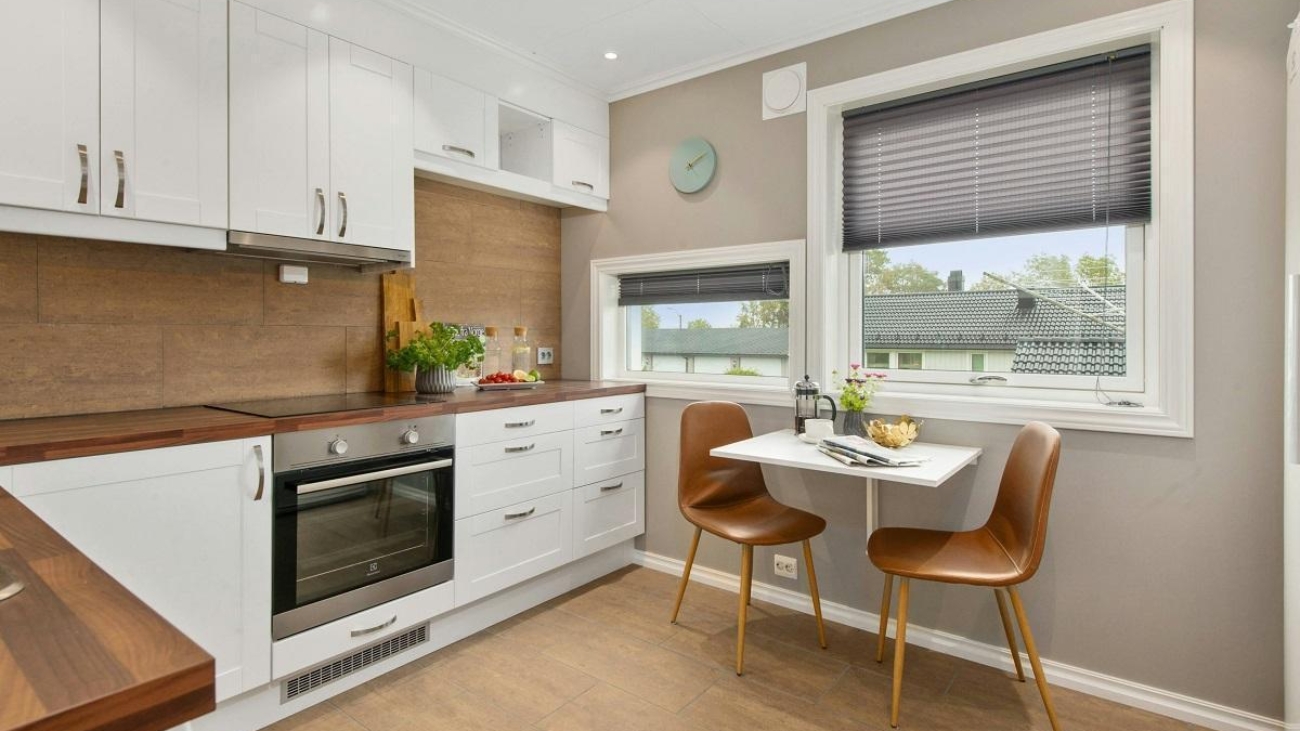
Highlights:
- Nearly all homeowners (94%) find their countertops high-maintenance — the fix is choosing non-porous, seal-free materials like quartz or modern laminate from the start.
- In a small kitchen, every surface is a working surface; prioritize wipe-clean finishes and scratch resistance over aesthetics alone.
- Factory-painted MDF slab cabinets in a satin or semi-gloss finish offer the best balance of durability, humidity resistance, and easy cleaning for compact spaces.
- LVP/LVT flooring is the market’s overwhelming choice for kitchens in 2026 — waterproof, scratch-resistant, comfortable underfoot, and backed by a $33B+ market reflecting broad consumer confidence.
- Material choices don’t exist in isolation — countertops, cabinets, and floors work as a system, and aligning all three toward low-maintenance performance compounds the long-term payoff.
Let’s be honest: a small kitchen doesn’t get a pass on wear and tear. If anything, it takes more abuse per square foot than a sprawling open-plan layout. Every splash, dropped pan, and daily ritual of cooking happens in a compressed space where surfaces can’t hide. That’s why material selection isn’t just a design decision — it’s a long-game strategy.
If you’re deep in the planning phase, you’ve probably already looked at layout ideas, color palettes, and storage hacks. But the materials you choose for your cabinets, countertops, and floors will determine how your kitchen actually holds up five or ten years from now. And in 2026, the data is starting to paint a pretty clear picture of where the smart money is going.
The Maintenance Problem Is Bigger Than You Think
Here’s a stat that should stop you mid-Pinterest-scroll: a recent Formica study found that 94% of homeowners now describe their countertops as “high maintenance.” That’s not a niche complaint from a handful of renovation purists — that’s almost everyone. And when you’re dealing with a small kitchen where every surface is within arm’s reach and gets touched constantly, high-maintenance materials aren’t just inconvenient. They’re a slow burn of frustration.
The takeaway here isn’t that all countertops are bad. It’s that most homeowners chose their materials without fully accounting for the upkeep required — and they’re paying for it daily. The good news? This widespread dissatisfaction is driving a significant shift in how people shop for kitchen surfaces in 2026. Younger homeowners especially are wising up fast. Gen Z buyers, in particular, are showing an openness to previously overlooked materials, with 86% saying they’d consider laminate countertops — compared to just 56% of Baby Boomers.
That generational gap tells you everything about how the definition of “good taste” in kitchen materials is evolving. It’s less about prestige and more about practicality.
Countertops: Durability Over Drama
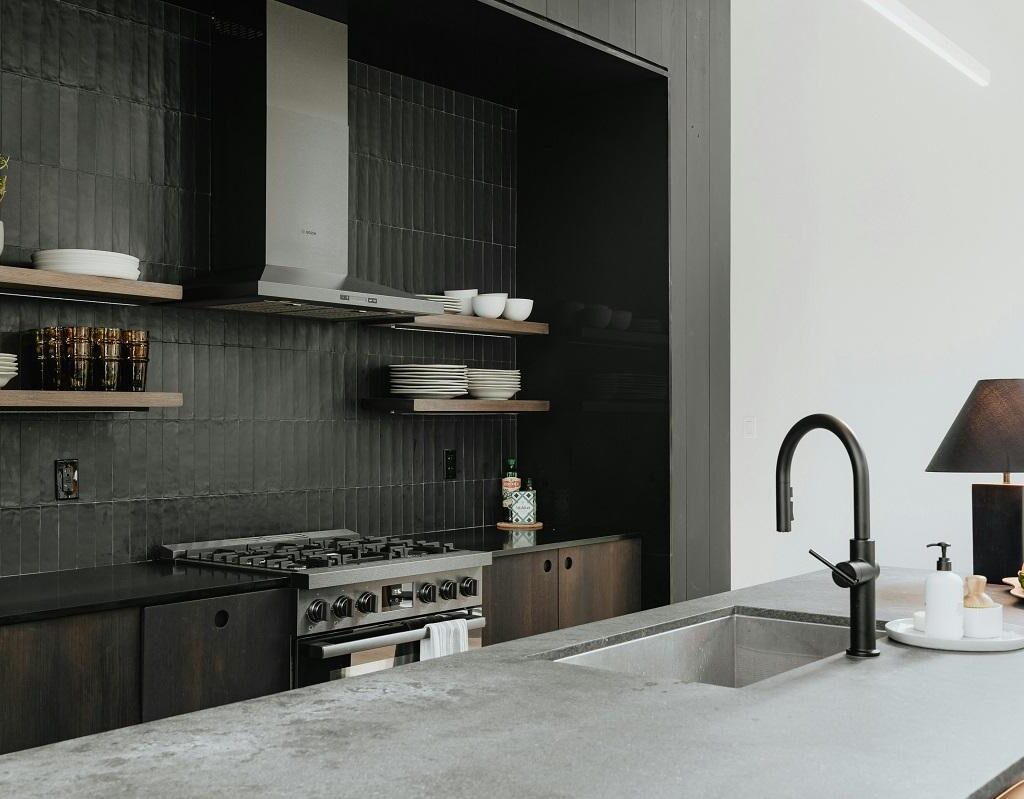
The countertop landscape in 2026 comes down to a few materials that genuinely deliver on the durability-plus-low-maintenance promise — and a few that look great in showrooms but underwhelm in real kitchens.
Quartz
Quartz remains the workhorse pick for good reason. It’s an engineered stone — meaning it combines crushed natural quartz with resins and pigments — which gives it two properties that small kitchen owners particularly value: it’s non-porous, so it doesn’t absorb stains, and it requires zero sealing. You wipe it down, and you’re done. Quartz continues to lead the pack in 2026 precisely because of this combination of durability and minimal upkeep, with matte and honed finishes becoming increasingly popular over high-gloss options.
Porcelain
Porcelain slabs are having a serious moment too, especially for smaller kitchens where a single countertop section can be covered by one continuous slab. Like quartz, porcelain is non-porous and stain-resistant. It also handles heat better than most engineered surfaces, which matters when you’re working with limited counter space and don’t always have room to set down a hot pan at a safe distance.
Laminate
Laminate — yes, really — deserves a serious reconsideration in 2026. The old stigma was built around the cheap, peeling laminate of decades past. Modern laminate is a different product entirely: high-pressure laminate with realistic stone and wood patterns, scratch resistance, and a price point that’s hard to argue with. For a small kitchen where you want to allocate budget toward cabinetry or appliances, laminate countertops give you a clean, low-maintenance surface that punches well above its weight.
What you want to avoid in a small kitchen is anything that requires frequent resealing or careful handling. Natural marble, while stunning, is genuinely porous and prone to etching from acidic foods. If you’re cooking regularly in a tight space, that’s a material working against you.
If you want to see how countertop material choices fit into the bigger picture of what’s driving small kitchen remodels right now, this 2026 small kitchen remodel trends guide breaks this down alongside layout strategies and finish choices that are dominating this year’s projects.
Cabinets: The Surface You Touch Most
Cabinets aren’t just storage — in a small kitchen, they’re the visual anchor of the entire room. And because you’re opening and closing them dozens of times a day, the finish and construction quality matter more than they might in a larger space where cabinet runs are a backdrop rather than the focal point.
Thermofoil and High-Gloss Acrylic Cabinets
Popular in compact kitchens, they photograph beautifully and are genuinely easy to clean — a damp cloth handles most messes. The trade-off is that thermofoil can peel around heat sources over time, and high-gloss acrylic shows every fingerprint. Worth considering if your kitchen gets heavy daily use.
Painted Wood with a Quality Factory Finish
Specifically MDF doors with a multi-step paint process, this gives you a smooth, wipeable surface that holds up to humidity better than solid wood. MDF doesn’t expand and contract with moisture changes the way solid wood does, which means you’re less likely to deal with cracking or warping paint over time.
Slab-Style Cabinet Fronts
Flat, handle-free doors have become especially popular in small kitchens for two reasons: they’re easier to clean (no crevices to trap grease) and they create a visual continuity that makes compact spaces feel larger. Pair them with integrated or recessed hardware to keep the lines clean.
One thing to look for across all cabinet options is the finish rating. A good semi-gloss or satin finish is more durable than matte and far easier to clean without leaving marks. For hardware, stainless and brushed nickel hold up better than brass plating, which can wear through in high-touch areas.
Floors: The Market Is Voting with Its Wallet
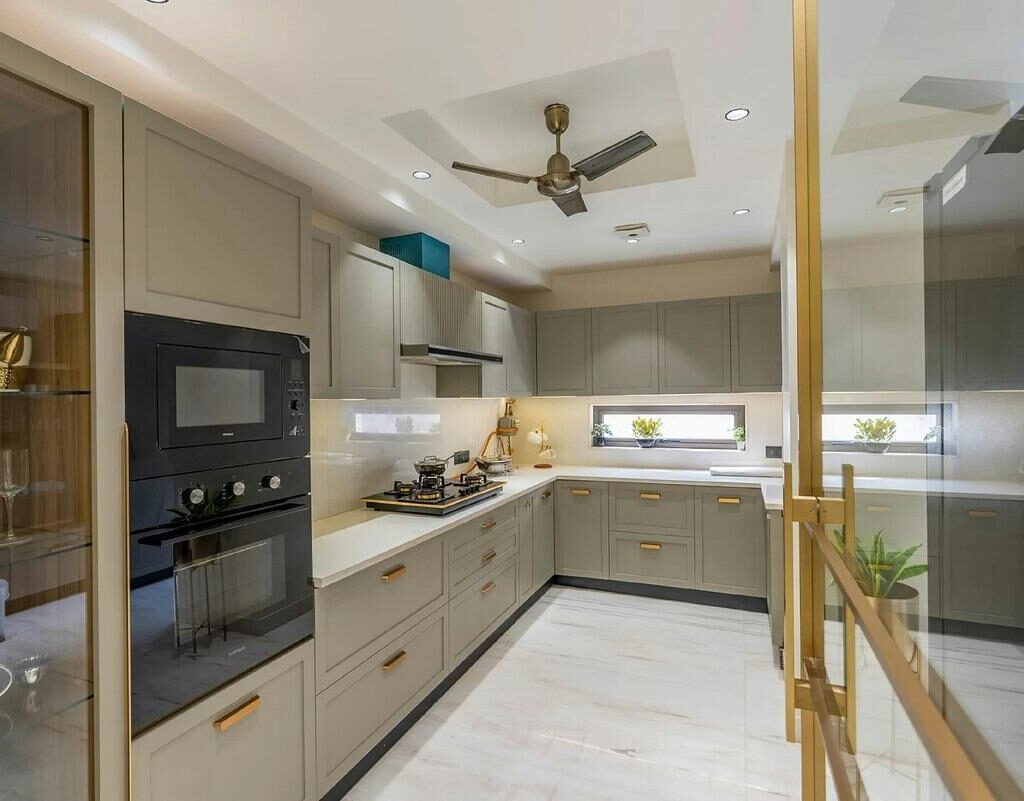
The flooring category is where the 2026 data gets really interesting. The luxury vinyl tile (LVT) market is projected to reach $33.33 billion in 2026, up from $29.4 billion in 2025 — a compound annual growth rate of 13.4% — with the primary driver being homeowner demand for flooring that’s both durable and low-maintenance. That’s not a modest uptick. That’s a market reflecting a decisive consumer preference.
And honestly, it makes complete sense. Luxury vinyl plank (LVP) and luxury vinyl tile (LVT) have improved dramatically in the past decade. The wear layers are thicker, the printing technology is convincingly realistic, and the locking systems are more stable. For a small kitchen specifically, LVP and LVT offer a combination of properties that’s hard to beat:
- 100% waterproof core — critical for a kitchen where spills are daily occurrences
- Scratch and dent resistance — especially important in tight spaces where you’re moving around with cookware constantly
- Comfort underfoot — the slight give of vinyl is noticeably easier on your joints than tile during long cooking sessions
- DIY-friendly installation — floating click-lock systems mean you can install without adhesives, and individual planks can be replaced if damaged
Porcelain tile remains a strong contender, particularly for kitchens that get very heavy use or where you’re prioritizing longevity above all else. A well-installed porcelain floor can last decades. The downsides are the cold, hard surface and the grout lines — in a small kitchen, grout maintenance is an ongoing commitment. If you go the tile route, use larger format tiles with minimal grout lines, and invest in an epoxy grout that resists staining.
Hardwood looks beautiful but is genuinely not the ideal choice for kitchens, especially small ones. Water damage from splashes and humidity cycles will eventually cause problems, and refinishing is a significant undertaking. Engineered hardwood offers better moisture resistance than solid hardwood, but it still can’t compete with LVP on waterproofing.
The flooring market numbers are reflecting what practical homeowners already know intuitively: LVP and LVT have hit a quality threshold where they make the most sense for most kitchens, and the price-to-performance ratio is genuinely compelling.
Putting It Together: The Small Kitchen Materials Stack
If you’re optimizing a small kitchen for durability, low maintenance, and long-term value, here’s what the evidence points toward in 2026:
- Countertops: Quartz for a premium, low-fuss surface; modern laminate if budget is a priority and you want to allocate spend elsewhere. Skip anything that needs regular sealing.
- Cabinets: Factory-painted MDF in a slab profile with quality hardware. Easy to clean, visually streamlined, resistant to humidity-related warping.
- Floors: LVP or LVT for the waterproofing, scratch resistance, and comfort — backed by a booming market that signals broad consumer confidence. Porcelain tile if longevity is the absolute priority and you’re committed to grout maintenance.
The common thread across all three categories is this: in a small kitchen, every surface is a working surface. Choose materials that work with your daily life, not against it. The most beautiful countertop in the world isn’t serving you well if you’re conditioning it every six months or treating every splash like an emergency.
Material choices are one piece of the puzzle, but they’re interconnected with layout decisions, lighting, and storage strategy.