
Highlights:
- Thermostat compatibility isn’t universal — mismatching your thermostat to your system type (furnace, boiler, or heat pump) actively hurts efficiency and can shorten equipment lifespan.
- Heat pumps are the most sensitive to thermostat choice; the wrong device will trigger expensive auxiliary heat strips too early, silently inflating your energy bill.
- Boiler/hydronic systems need thermostats with adaptive recovery or early-start logic — standard smart thermostat algorithms are tuned for forced-air behavior and can cause short-cycling on radiant systems.
- Smart thermostats with demand-response/utility integration can deliver an additional 5–8% in savings on top of the standard 10–15% efficiency gain — but only if your thermostat is actually compatible with your system.
- Always confirm C-wire availability, system staging (single, two-stage, variable-speed), and heat pump reversing valve (O/B) support before purchasing — and when in doubt, pay the $75–$150 for professional installation.
Picking a thermostat sounds like the kind of decision you make in five minutes at the hardware store. Grab something off the shelf, match the wire colors, done. But if you’ve got a heat pump, a hydronic boiler, or a multi-stage furnace, the wrong thermostat doesn’t just underperform — it can actively fight against your system, waste energy, and shorten your equipment’s lifespan. Let’s slow down and do this right.
Why Thermostat Compatibility Actually Matters in 2026
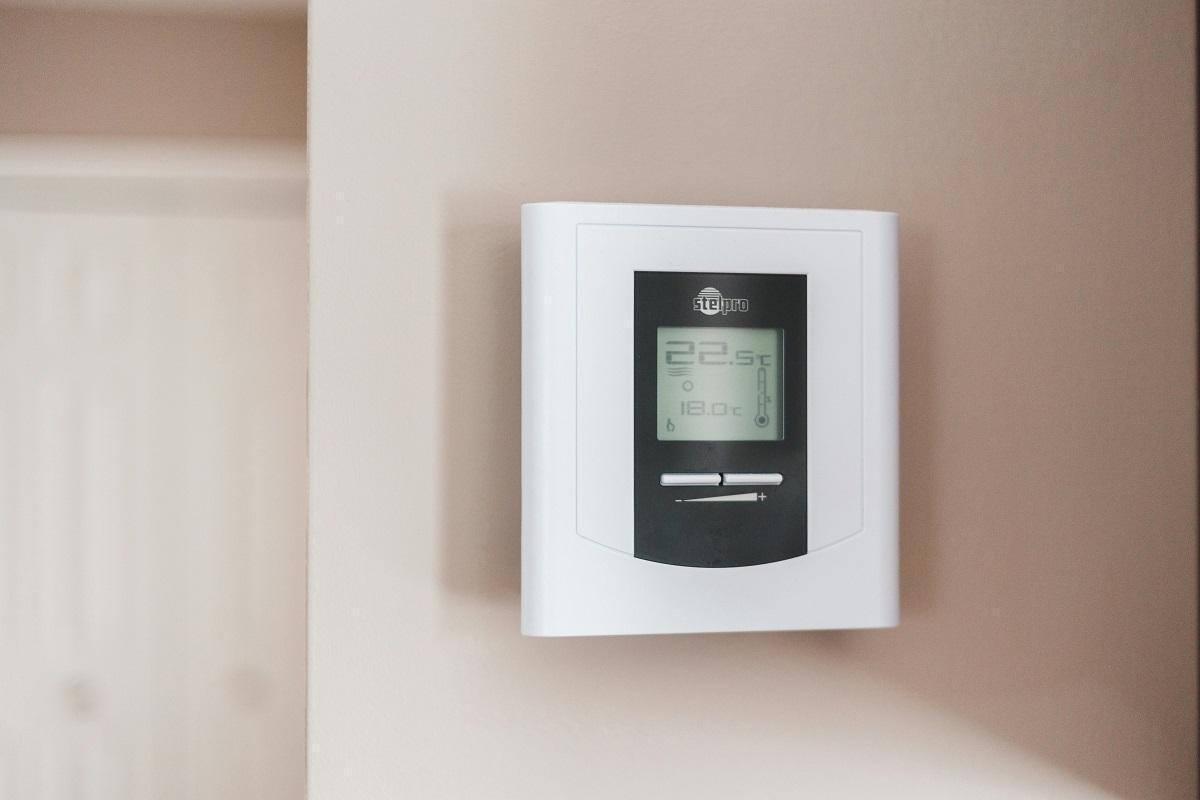
Here’s something most homeowners don’t realize: thermostats aren’t universal. The device on your wall is essentially the brain of your entire heating system, and a mismatch between thermostat and equipment is one of the most common (and most preventable) causes of inefficiency.
The numbers back this up. According to Market Data Forecast’s 2026 U.S. Smart Thermostat Market report, the U.S. smart thermostat market was valued at $1.21 billion in 2025 and is on track to hit $4.83 billion by 2034, growing at a compound annual rate of 16.6%. That’s not just people upgrading for the novelty. That’s a massive wave of homeowners recognizing that smarter thermostat control translates directly into lower utility bills and better comfort. The growth reflects real-world demand — people are feeling the pain of poorly matched or outdated thermostats and doing something about it.
And the savings are tangible. Current industry studies indicate that the average household can save between 10% and 15% on heating and cooling costs annually with a smart thermostat — and in a typical home where HVAC expenses account for nearly half of the total energy bill, that compounds quickly. According to Climate Experts’ 2026 analysis of smart thermostat ROI, homeowners participating in demand-response programs — where the thermostat communicates with the local power grid to pre-heat or pre-cool during off-peak rate windows — often see an additional 5–8% reduction on top of that.
Those savings assume your thermostat is actually compatible with your system. If it isn’t, you’re leaving money on the table — or worse, running your equipment in ways it wasn’t designed for.
Furnace Systems: What You Need to Know First
Gas and oil furnaces are the most forgiving when it comes to thermostat compatibility. Most residential furnaces run on standard 24-volt low-voltage wiring, which means the vast majority of smart thermostats on the market will work just fine.
That said, “works” and “works optimally” aren’t the same thing.
Single-stage furnaces cycle on at full capacity and cycle off. Simple. A basic programmable or entry-level smart thermostat handles this without any issues.
Two-stage furnaces run at a lower capacity most of the time and ramp up to full power only when needed. For this setup, you want a thermostat that explicitly supports two-stage heating — otherwise it’ll default to treating your furnace like a single-stage unit, and you’ll lose the efficiency advantage that a two-stage system was designed to deliver.
Variable-speed furnaces are the most sophisticated — and the most demanding on your thermostat. These systems modulate output across a wide range to maintain precise temperatures with minimal cycling. They need a compatible communicating thermostat, often a proprietary one from the same manufacturer (Carrier, Lennox, Daikin, Trane all have their own ecosystems). Before you buy any third-party smart thermostat for a variable-speed furnace, check the manufacturer’s compatibility tool or call your HVAC tech.
One more thing: the C-wire (common wire) is a frequent sticking point. Older homes often don’t have one run to the thermostat location, and most smart thermostats need it to power themselves continuously. Solutions exist — power adapters, add-a-wire kits, or just running a new wire — but it’s worth knowing before you order.
Boiler Systems: A Completely Different Animal
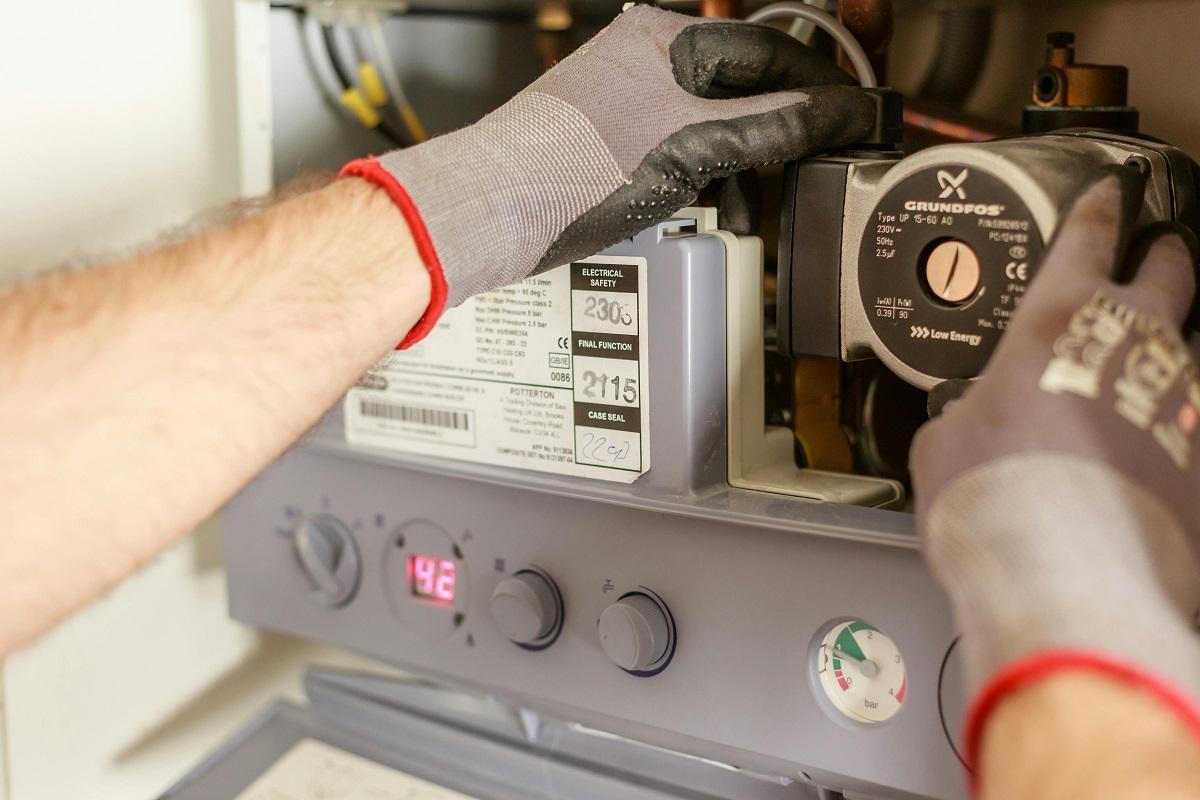
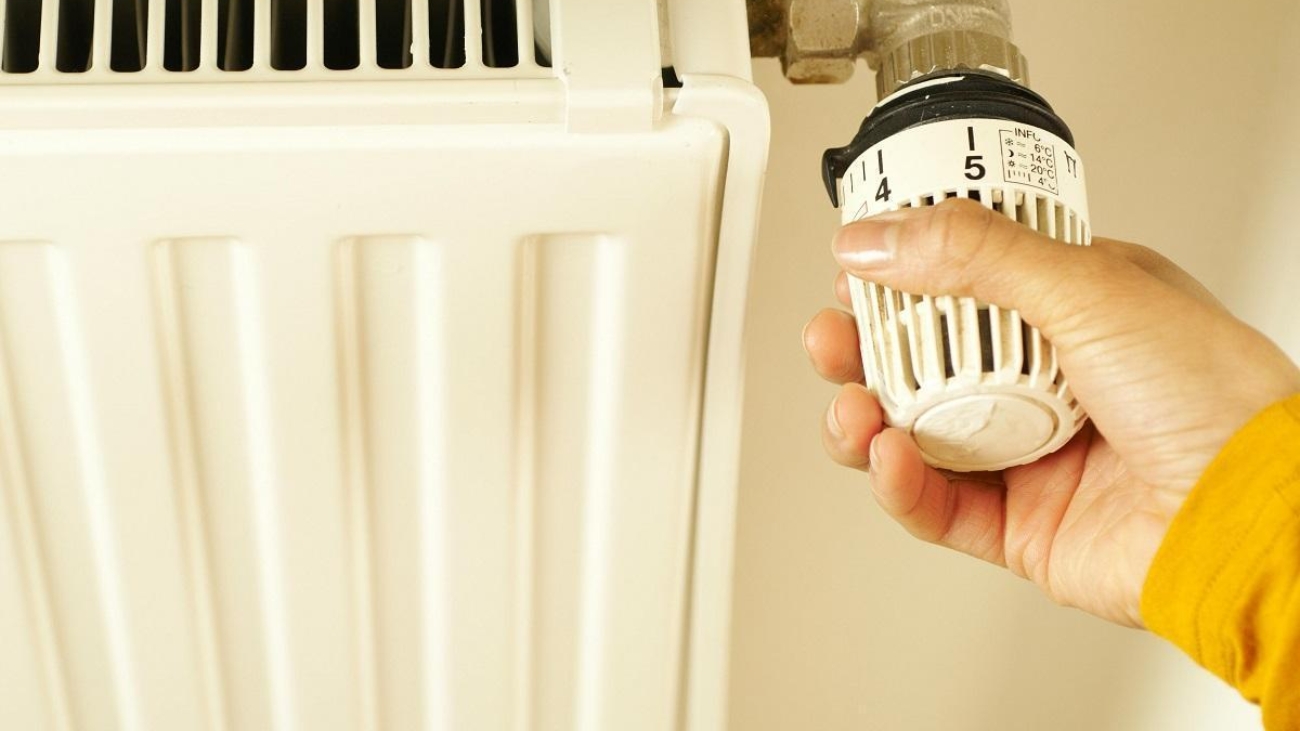
Hydronic boilers are where homeowners most often get into trouble with thermostat selection, because radiant heat systems behave very differently from forced-air systems.
A boiler circulates hot water through radiators or radiant floor tubing. The heat it delivers is slow, even, and deeply comfortable — but it takes time to respond. That fundamental characteristic changes how you should think about thermostat control.
Standard smart thermostats aren’t always a great fit for boilers, especially if you’re running a multi-zone system with zone valves. Many smart thermostat algorithms are designed around forced-air behavior: quick response times, short heat cycles, aggressive setbacks. Applied to a boiler, that logic can cause short-cycling, temperature overshoot, and unnecessary wear on your circulator pumps.
For single-zone boiler setups, a well-regarded smart thermostat like the ecobee or Nest can work — particularly if you configure the adaptive recovery settings to account for the slower response time of radiant heat. The key feature to look for is “early start” or “adaptive recovery” — the thermostat learns how long your system takes to reach the target temperature and begins heating early enough to hit it on time, rather than blasting heat to catch up.
For multi-zone boiler systems, you’re generally better off with a thermostat built with hydronic systems in mind, or consulting with a professional about a proper zoning controller setup. Brands like Tekmar, Honeywell’s commercial line, and Caleffi make controllers specifically designed for hydronic applications.
Floor-mounted radiant systems have an additional consideration: thermal lag. Radiant floors can take hours to reach equilibrium, so a thermostat that’s too reactive will constantly overshoot and undershoot. Programmable schedules work better here than aggressive setback strategies.
Heat Pumps: Where Thermostat Choice Gets Critical
Heat pumps are where compatibility issues hurt the most — and where the right thermostat makes the biggest difference.
If you’ve recently switched to a heat pump (or you’re considering it, given that Energy.gov estimates 13 million natural gas homes would save money by making the switch), this section deserves your full attention.
Heat pumps work differently from furnaces. Instead of generating heat through combustion, they extract heat from outdoor air and move it indoors. They’re most efficient when they maintain a steady, consistent temperature — the opposite of the aggressive setback-and-recovery cycles that save energy on a gas furnace.
Here’s the critical piece: heat pumps have backup or auxiliary heat — usually electric resistance strips — that kick in when the outdoor temperature drops too low for the heat pump to operate efficiently on its own. This auxiliary heat is expensive. A thermostat that doesn’t understand heat pump behavior will trigger aux heat too early, too often, or unnecessarily — and your energy bill will reflect it.
What you need is a thermostat with:
- Dedicated heat pump wiring support (look for “O/B” reversing valve wire terminals)
- Aux/emergency heat lockout settings — so you can configure the temperature threshold at which backup heat activates
- Adaptive setpoint control — maintaining temperature with small, frequent adjustments rather than large swings that trigger aux heat
For this reason, the best thermostat for your HVAC system depends heavily on what kind of system is behind the wall — especially with heat pumps, where a poorly chosen thermostat can quietly cost you hundreds of dollars a year without you ever knowing why.
The ecobee Smart Thermostat Premium and the Google Nest Learning Thermostat (4th gen) are consistently the top picks for heat pump applications in 2026. Both understand heat pump logic natively, manage aux heat intelligently, and support multi-stage configurations. Nest gets the edge for households that prefer a more hands-off experience; ecobee shines for people who want granular control and room sensor integration.
Multi-stage heat pumps (two-stage or variable-speed compressors) add another layer. Make sure your thermostat explicitly supports two-stage or variable-capacity heat pump operation — not just conventional two-stage heating. They’re different wiring configurations and different control logic.
Smart Thermostat Features Worth Paying For (And Some That Aren’t)
Once you’ve confirmed compatibility with your system type, the next question is which features actually move the needle on comfort and savings.
Worth It:
- Learning/auto-scheduling — Genuinely useful if your household has consistent patterns. The Nest’s learning algorithm and ecobee’s SmartSensor integration both do this well.
- Geofencing — Uses your phone’s location to shift into energy-saving mode when you leave and recover to comfort settings before you return. Works best in single-occupant or highly consistent households.
- Room sensors — ecobee’s approach of using remote sensors to detect occupancy and balance temperatures across rooms is one of the most underrated features in residential HVAC control.
- Demand response / utility integration — If your utility offers time-of-use rates or a demand-response program, a compatible thermostat can automatically pre-condition your home during cheap rate windows and ease off during peak pricing. That’s the additional 5–8% savings noted earlier — real money over a full heating season.
- System monitoring and alerts — Modern smart thermostats can detect unusual runtime patterns that signal a refrigerant issue, a dirty filter, or a failing component. Catching that early is worth more than the thermostat cost.
Skip or Low Priority:
- Voice control — Useful occasionally, but not a differentiator for heating performance.
- Fancy displays — Nice, but not worth paying a significant premium over a more functional model.
- Brand-specific ecosystem lock-in features — Unless you’re deeply committed to a single smart home ecosystem (Apple Home, Google Home, Amazon Alexa), prioritize Matter-certified thermostats that work across all of them.
Installation: DIY or Call a Pro?
For most standard furnace applications with an existing C-wire: DIY is entirely reasonable. The manufacturers have invested heavily in guided installation apps, and a straightforward swap takes under an hour.
For heat pumps, boilers, multi-zone systems, or any setup where you’re not 100% certain about wire labeling and system type: call a pro. The cost of a professional installation (typically $75–$150) is trivial compared to the cost of a mis-wired thermostat causing your heat pump’s reversing valve to operate backwards — or your aux heat to run continuously because the lockout temperature was never configured.
One thing worth checking before scheduling installation: photograph your existing thermostat wiring before disconnecting anything. Label each wire with painter’s tape. Thermostat wire colors are not always wired to their matching terminals, and old labels can be faded or nonexistent.
The Bottom Line
The thermostat market is growing fast because homeowners are finally recognizing that this small device has an outsized impact on energy costs, system health, and daily comfort. But the explosion of options has also made selection more confusing — especially when you’re trying to match a heat-pump-specific device to a system that requires O/B reversing valve support and aux heat lockout logic.
Start with your system type. Confirm compatibility with your existing wiring. Then layer on the smart features that match your household patterns. That’s the sequence — and following it puts you in the category of homeowners actually capturing those 10–15% annual savings, rather than leaving them on the table.