
Highlights:
- Sequence matters: Always tighten the building envelope (air sealing, insulation) before investing in solar panels — otherwise you’re generating clean energy to heat the outdoors.
- Incentives can cut costs significantly: In 2026, government rebates and tax credits can reduce total retrofit costs by $25,000–$40,000, making the project far more financially accessible than most homeowners assume.
- Solar + storage now offers a 137% ROI on resale, while also slashing heating and cooling costs by up to 50% — and appraisers are formally recognizing energy savings in property valuations.
- A staged approach beats waiting: You don’t need to fund everything at once. PACE financing and phased upgrades let you start compounding efficiency gains now rather than delaying until the budget is perfect.
- Heat pumps are the electrification pivot point: Replacing gas heating with a cold-climate heat pump is what makes solar panels meaningful — without it, your home is still burning fossil fuels for its biggest energy draw.
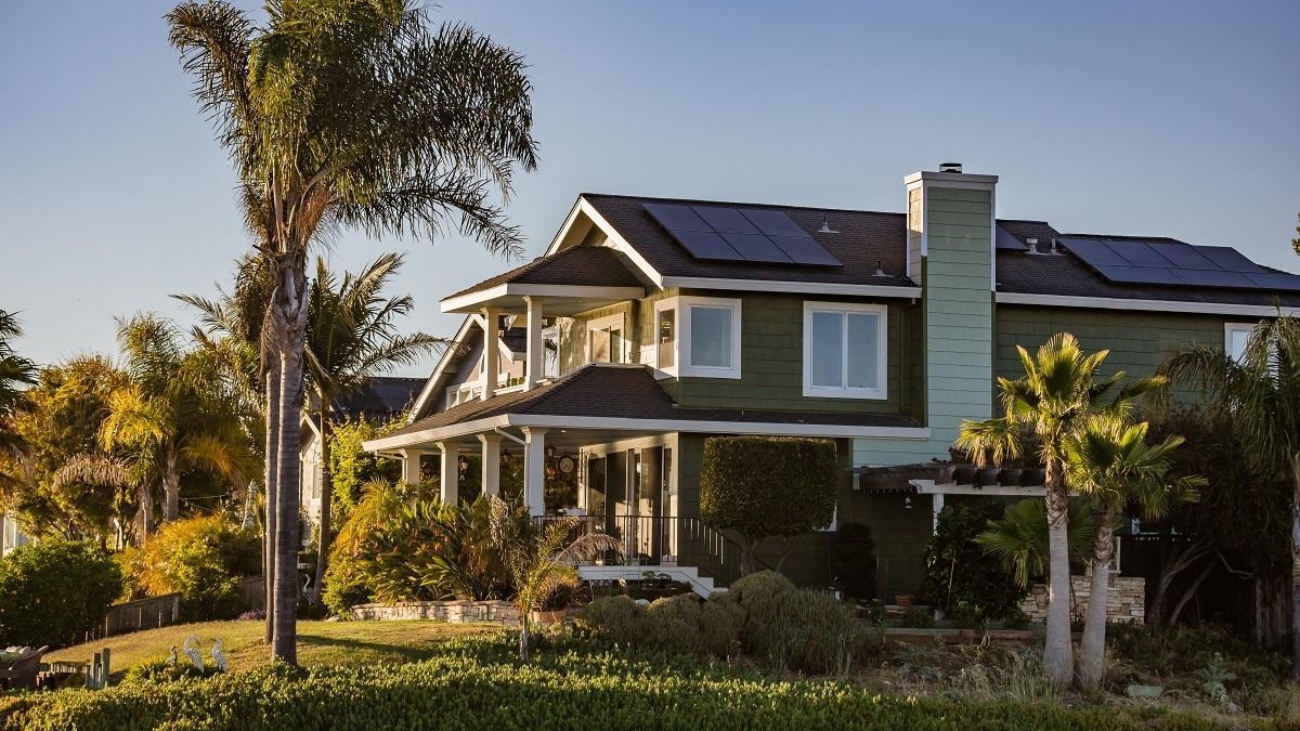
If you’ve been eyeing your energy bill with growing dread—or quietly wondering whether your 1970s ranch house could ever make it to net-zero—here’s the honest truth: it absolutely can, and you don’t need a blank check to get there. The path to a net-zero home isn’t just for new construction or homeowners with unlimited renovation budgets. It’s increasingly achievable through smart, staged retrofits that prioritize the right upgrades in the right order.
The 2026 data is clear: costs are coming down, incentives are stacking up, and homeowners who approach this systematically are seeing returns that make the investment genuinely worthwhile. Let’s break down what the retrofit journey actually looks like, what the numbers say, and where you should start.
Why 2026 Is Actually a Good Year to Start a Deep Energy Retrofit
There’s a persistent myth that net-zero retrofitting is an all-or-nothing proposition—that you either spend $150,000 transforming your house into a passive-house showpiece, or you don’t bother. That thinking holds a lot of homeowners back unnecessarily.
The reality is that the retrofit market has matured significantly. Contractor experience with heat pumps, air sealing, and solar integration has grown, which means installation quality is higher and fewer projects go sideways. Federal and state incentives have also made a meaningful dent in out-of-pocket costs for qualifying households. The window of opportunity is genuinely good right now, and the data backs that up.
A full deep energy retrofit in Canada in 2026—covering insulation, triple-pane windows, a heat pump system, and solar panels—typically runs between $100,000 and $200,000 for a single-family home, but government incentives can reduce that total by anywhere from $25,000 to $40,000 depending on the province and program eligibility. That’s a significant offset, and it underscores why understanding the incentive landscape before you pick a contractor is so important.
Even more compelling is the long-term picture. A net-zero renovation on a home built in the 1960s or 1980s can push resale value up by 15% to 25%, while also delivering direct annual energy savings of roughly $2,500 to $4,000 depending on region. Over a 15-to-20-year horizon, those numbers add up fast.
Start with the Envelope, Not the Solar Panels
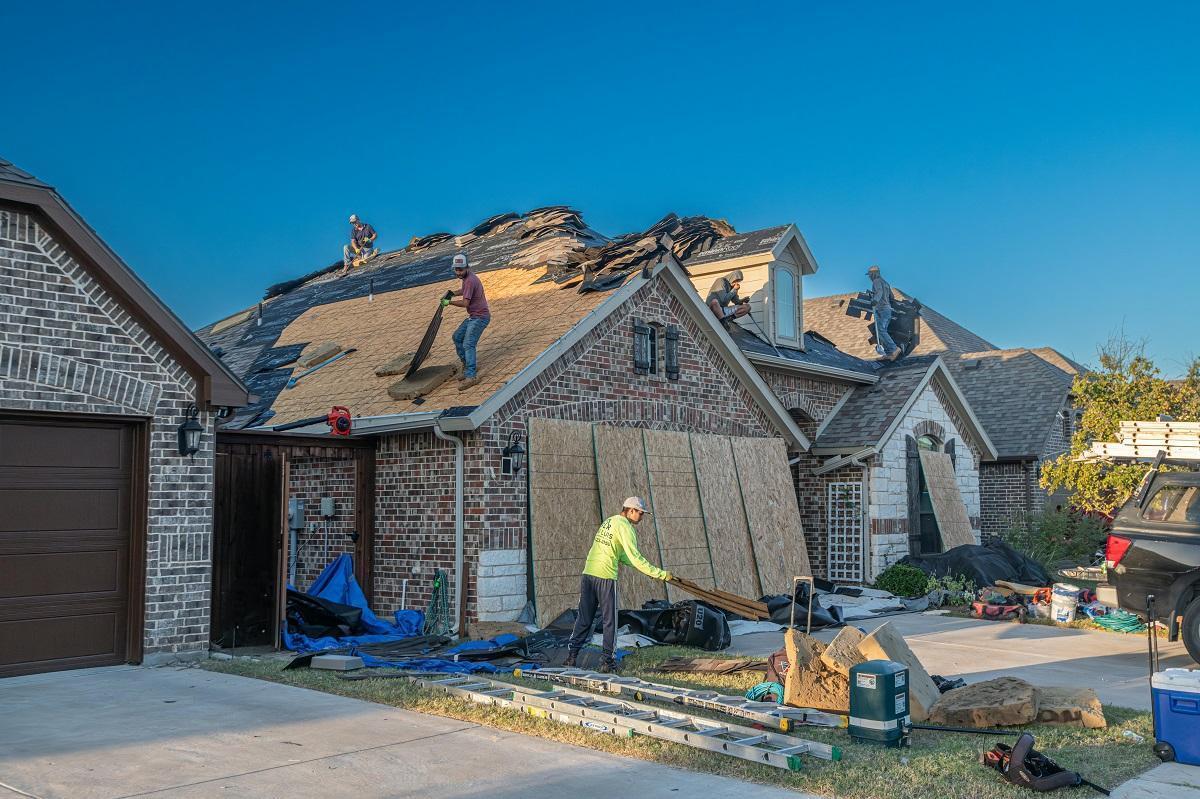
Here’s where most DIY-oriented homeowners go wrong: they get excited about solar panels and skip the foundational work. Solar is glamorous. Air sealing is not. But if you install a photovoltaic system on a leaky, poorly insulated house, you’re generating clean energy to heat the outdoors. It’s an expensive mistake.
The retrofit sequence matters enormously, and it starts with the building envelope—the walls, roof, floor assembly, windows, and doors that separate conditioned space from the outside world. This is the layer that determines how hard your mechanical systems have to work. Tighten it up first, and everything downstream gets cheaper and more efficient.
Practically speaking, this means beginning with a professional energy audit. A certified energy advisor will use a blower-door test, thermal imaging, and consumption data to show you exactly where your house is bleeding energy. The results usually aren’t pretty, but they’re genuinely useful—you’ll get a prioritized list of measures ranked by cost-effectiveness.
For most homes built before 1990, the audit will highlight attic insulation, basement rim joists, and penetrations around plumbing and electrical as the biggest opportunities. These are also often the most budget-friendly fixes. Air sealing a typical attic, for example, can cost as little as $1,500 to $3,000 in labor and materials, yet deliver energy reductions that rival much more expensive upgrades.
The Windows-vs.-Insulation Trade-Off
Triple-pane windows come up constantly in net-zero retrofit conversations, and they’re genuinely excellent—but they’re also expensive, often running $20,000 to $35,000 for a full house. Before you commit to that line item, it’s worth being honest about your existing windows.
If your frames are solid and the seals are intact, adding interior window insulation film or exterior storm windows can capture a large fraction of the performance gain at a fraction of the cost. This isn’t a forever solution, but as a phased strategy while you save for a full window replacement, it’s entirely sensible.
Insulation upgrades, by contrast, are almost always worth prioritizing early. Attic insulation, in particular, delivers a high return on investment because heat rises and attics are frequently under-insulated in older homes. Dense-pack cellulose or spray foam in the attic can meaningfully improve both your heating and cooling loads, reducing the size and cost of the heat pump system you’ll eventually need.
Heat Pumps: The Pivot Point of Any Net-Zero Retrofit
Once the envelope is solid, the conversation turns to heating and cooling. For net-zero, that almost always means replacing a gas furnace or old electric resistance system with a heat pump—either a ducted central system or a ductless mini-split configuration.
Modern cold-climate heat pumps are a genuinely different animal from the equipment that gave heat pumps a bad reputation in northern markets twenty years ago. Today’s units operate efficiently well below 0°F, and they provide both heating and cooling from a single system. The electrification of your heating load is also what makes solar panels meaningful—without it, your home is still burning fossil fuels for its biggest energy draw.
Heat pump costs vary widely by system type, home size, and climate, but a typical installed cost for a ducted system runs $15,000 to $25,000. Mini-split systems serving individual zones can be less, and they allow a phased approach: you can replace one zone at a time rather than the whole house at once.
Before you finalize any HVAC decision, it’s worth understanding the full financial picture of what a net-zero home looks like from an investment standpoint—including the costs that don’t always make it into the headline estimates. The real financial story of net-zero homes in 2026, including frequently overlooked expenses and how to plan around them, is covered in detail in the linked piece, and it’s required reading before you sign any contractor proposals.
Solar + Storage: The Finishing Layer
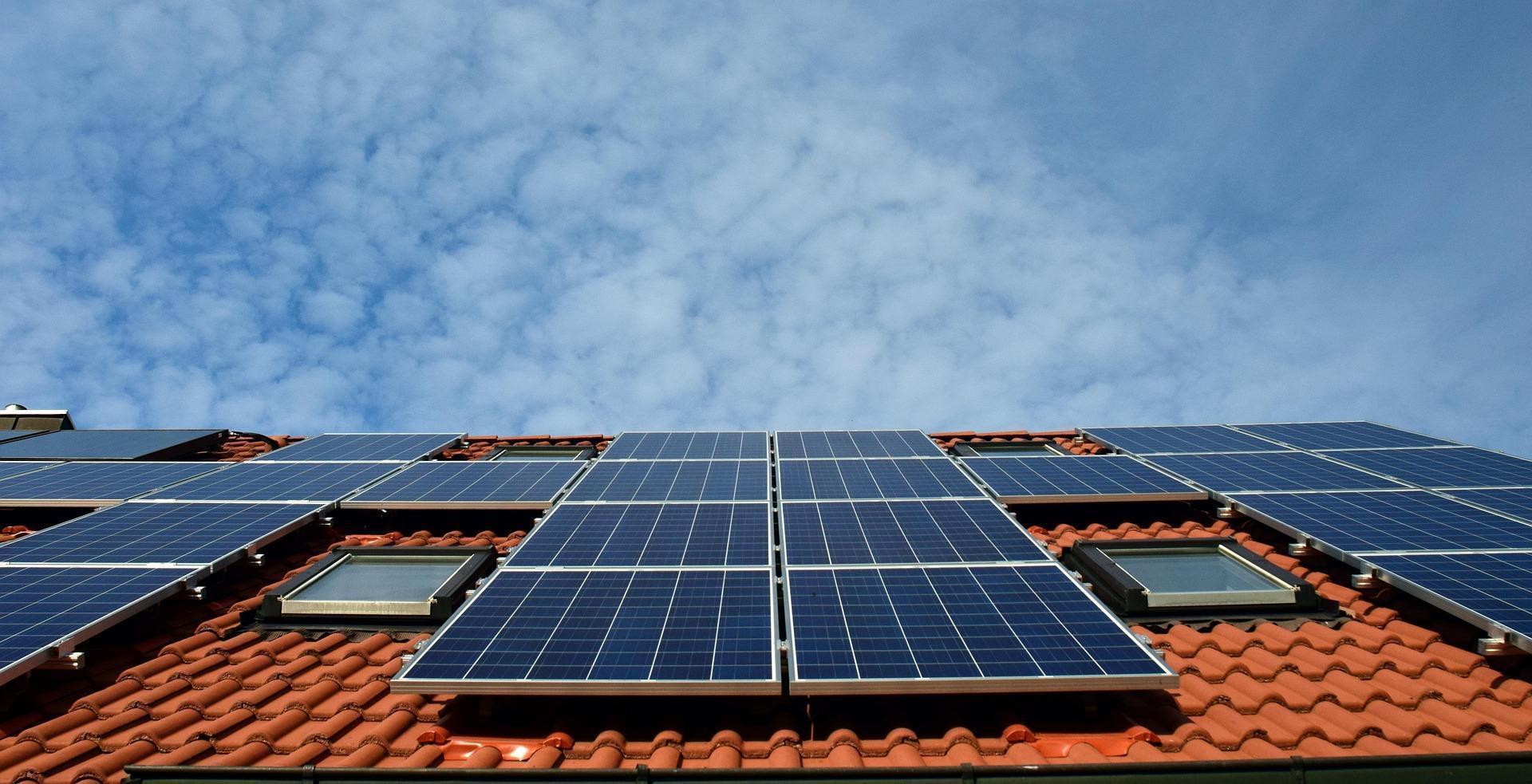
Once your envelope is tight and your mechanical systems are electrified, solar panels become the logical capstone. At this point, you’ve reduced your energy demand as much as practically possible, and now you’re sizing a renewable generation system to meet that reduced demand. That’s the correct order of operations.
The financial case for solar in 2026 is strong, particularly for homeowners who’ve completed earlier retrofit stages. According to Kukun’s 2026 analysis of energy-efficient upgrades, the combination of solar panels paired with battery storage now delivers a 137% ROI on resale for retrofit projects, while simultaneously cutting heating and cooling costs by up to 50%. Notably, appraisers are now applying the Income Capitalization Approach to energy savings—meaning that $3,600 in annual utility savings can be formally capitalized into a measurably higher property valuation, not just treated as a vague lifestyle benefit.
That last point deserves emphasis. For a long time, the green premium on energy-efficient homes was real but hard to quantify in an appraisal context. That’s changing. AI-driven valuation models are increasingly incorporating energy performance data, which means the retrofit work you do today is more likely to be recognized in your home’s appraised value when you eventually sell.
Battery storage adds another dimension to the math. Grid outages are more frequent and more prolonged than they were a decade ago in many regions. A battery paired with solar provides energy resilience that has genuine monetary value—both in avoided losses during outages and in the peace of mind it provides buyers, who increasingly factor that into what they’re willing to pay.
Financing the Journey: You Don’t Have to Fund It All at Once
One of the most liberating reframes for budget-conscious homeowners is recognizing that a net-zero retrofit is a journey, not an event. You don’t need to budget $150,000 up front. You need a sequenced plan and a financing strategy that matches your cash flow.
Several options are worth exploring. Property Assessed Clean Energy (PACE) financing allows homeowners to fund upgrades through their property tax bill, with repayment tied to the property rather than the individual—meaning if you sell before it’s paid off, the obligation transfers to the new owner. This structure makes high-upfront-cost upgrades like solar and heat pumps more accessible.
Federal tax credits for energy-efficient home improvements have also been expanded and extended in recent policy cycles. Depending on where you live, you may be eligible for credits on heat pump installation, insulation upgrades, energy audits, and solar equipment. These should be mapped out before you prioritize your retrofit sequence, since the credit availability on certain measures may influence timing.
The Bottom Line: A Staged Approach Beats Paralysis
The single biggest mistake you can make with a net-zero retrofit is waiting until you can do everything at once. The improvements you make today—even modest ones like attic air sealing and insulation—compound over time. Every year you delay, you’re paying for energy you could be saving.
Start with an energy audit. Identify your three highest-priority envelope improvements. Shift your heating to a heat pump when your current system needs replacement. Layer in solar when your load profile is stable. Reassess incentives each year because the landscape shifts.
Net-zero on a budget isn’t about cutting corners. It’s about sequencing smart, financing creatively, and letting compounding efficiency gains do the heavy lifting over time. The 2026 data makes one thing clear: the homeowners who start moving in this direction now are the ones who will look back in ten years and wonder why anyone waited.