
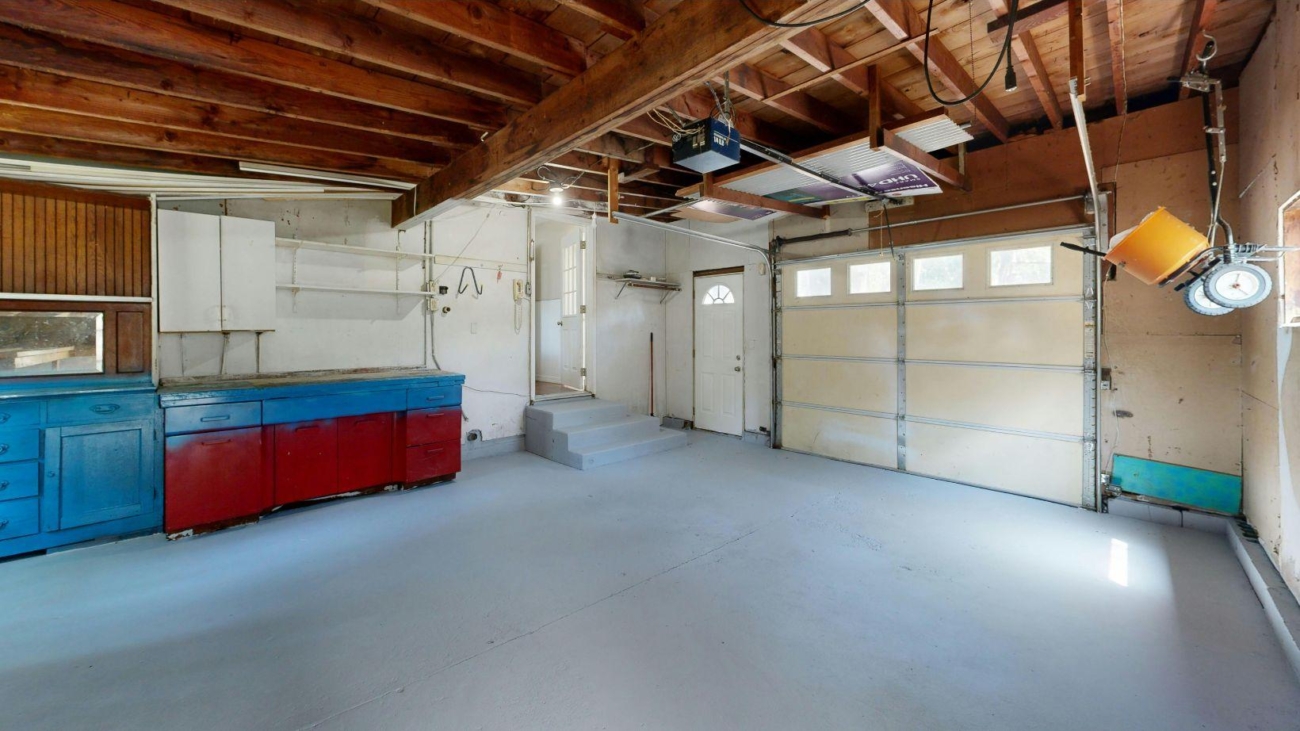
Many people prioritize the insulation of bedrooms, living areas and attics. Garages also affect the comfort of a home. Because an attached garage shares walls, ceilings and air pathways with other rooms, its internal temperature is able to change the temperature of nearby spaces. Proper insulation creates a barrier against outdoor weather – this makes indoor temperatures more stable and reduces the workload for heating and cooling systems.
The Impact of Garage Temperature Changes
Garages often have large temperature shifts because they are open to outdoor air through doors and walls. In hot weather, heat is able to collect inside a garage that lacks insulation – this heat then moves through shared walls and into the home – these nearby rooms become warmer, which requires more cooling to keep the area comfortable.
Cold temperatures affect rooms above or beside an uninsulated garage during winter months. Walls and ceilings that connect to the garage are often cold, which creates uncomfortable spots inside the house. Insulation is a tool that reduces these differences. It helps the indoor environment stay consistent across the entire property.
The Role of Attached Garages
Insulation is important because attached garages have a direct connection to the house. Shared walls are the boundary between two areas with different thermal conditions. Heat and cold move through these surfaces easily if insulation is absent – this process affects the temperature in kitchens, bedrooms or entryways.
Insulating a garage also helps the heating and cooling system perform better. The HVAC system is more efficient when nearby rooms are not influenced by the garage temperature – this allows the system to maintain an even temperature without frequent adjustments for heat gain or loss.
Garage Doors & Air Movement
The garage door is a large surface that is open to the outdoors. It is a major factor in how the temperature is controlled. Doors that are old or do not have insulation allow heat to move through them, which causes the garage temperature to change quickly. An insulated garage door is a better thermal barrier for the rest of the home.
Air leaks near the door also affect indoor spaces – Gaps in the frame allow outdoor air to enter, which changes the temperature of connected rooms. Sealing and insulation are methods that limit this air movement – these steps create a better separation between the garage and the living areas.
Benefits for Energy Efficiency
Better energy efficiency is a result of improved garage insulation. Heating and cooling systems are more efficient when the garage temperature is stable – these systems do not have to work as hard to keep the home comfortable – this is helpful during extreme weather when there is a high demand for climate control.
Homeowners who want to improve comfort may look at other factors, like airflow or the condition of their equipment. For instance, services like air conditioner repair London Ontario, ensure that cooling systems are functional. Maintenance and insulation upgrades work together to create a balanced home environment.
Improving Home Comfort with Insulation
Insulation improves comfort – reducing the temperature gap between different parts of a house. Rooms near the garage have fewer drafts and more stable conditions when insulation is in place – this makes the living space more pleasant without the need for structural changes to the home.
Long-term protection from outdoor weather is another benefit of insulation. Garage insulation supports a reliable indoor environment when it is combined with efficient windows and sealed doors. Homeowners who evaluate the entire building are able to make improvements that increase both comfort and efficiency.
Conclusion
Garage insulation is a functional feature that influences the comfort of nearby rooms. Since garages are part of the main building, their temperature affects rooms that share walls, ceilings or floors. Insulation is a barrier that helps with indoor temperature control.
Homeowners are able to improve energy efficiency and lower temperature changes – insulating the garage. Small updates in the areas have a positive impact on how well a property maintains an even environment throughout the year.