
Laminate flooring has spent years living in the shadow of luxury vinyl plank, known as LVP. Homeowners loved LVP for its waterproof core and realistic textures, while laminate got tagged as the budget option that scratched easily and buckled near water. Walk into a flooring showroom in 2026, though, and the conversation sounds different. New core technology, tougher wear layers, and sharper printing have pushed laminate closer to LVP than ever before.
This post breaks down what changed, where laminate still trails, how pricing stacks up room by room, and which option fits your home best based on real daily use rather than showroom lighting.
Laminate Flooring Gets a Real Glow-Up in 2026
Modern laminate uses high-density fiberboard cores paired with melamine wear layers that resist scratches far better than boards from five years ago. Manufacturers now print wood grain patterns using deeper embossing techniques, so planks show texture you can feel under bare feet, not just see from across a room. Several brands also added water-resistant coatings along the edges, closing the gap that used to let moisture creep into seams during everyday spills. None of this makes laminate fully waterproof; however, it does make daily accidents far less risky than they once were, and warranty terms have grown longer to match that confidence.
Design has come a long way too. Laminate lines released in 2026 include wide planks, mixed-width bundles, matte finishes and even hand-scraped textures that used to belong only to solid hardwood. Color ranges stretch from pale Scandinavian tones to deep walnut shades, giving buyers far more room to match existing trim, cabinets or wall colors without settling for a generic wood look.
LVP still holds an edge in rooms that see constant moisture, since its vinyl core stays stable even when submerged for hours at a time. Laminate cores remain wood-based at heart, so prolonged exposure to standing water can still cause swelling along seams if spills go unnoticed. Vinyl also flexes slightly underfoot, giving it a softer, quieter feel that laminate cannot fully match yet, particularly on upper floors where sound travels between rooms.
Where Laminate Still Falls Short of LVP
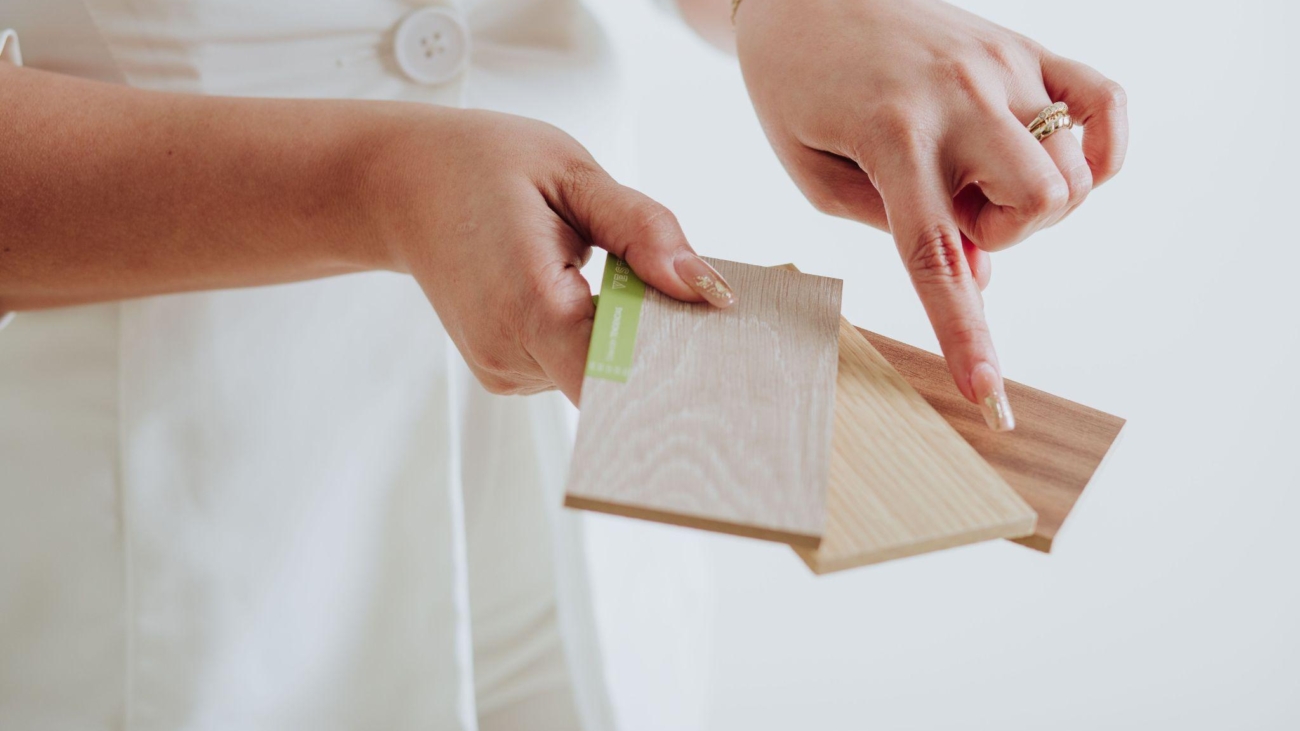
A quick walkthrough with a knowledgeable rep, comparing sample boards against real lighting and existing furniture, often reveals details that online photos never show clearly. Matching material to daily habits matters more than matching it to trends. A floor that suits how a room actually gets used will outlast one chosen on looks alone.
For homeowners weighing both options against a real budget, talking with flooring
pros like DS Sales Associates helps narrow down which product suits a specific room, subfloor, and daily traffic pattern. Getting a second opinion before ordering material saves time, prevents costly returns later, and reduces the chance of picking a floor that fights against how a household truly lives day to day.
Water Resistance Put to Test
Laminate flooring earns water-resistant ratings today through locking systems designed to seal seams tighter than older click-together designs allowed. Spilled coffee or a dropped glass of water wiped up within a reasonable time will rarely cause damage on newer laminate lines, which is a real shift from products sold even a few years back.
LVP remains the safer pick for bathrooms, laundry rooms, and basements prone to leaks, since its core does not swell or warp when soaked for extended periods. Laminate performs well in kitchens and living rooms where spills happen occasionally rather than constantly throughout the day.
Best rooms for laminate flooring
- Living rooms and family rooms
- Bedrooms and home offices
- Hallways and dining areas
Best rooms for LVP flooring
- Bathrooms and powder rooms
- Laundry rooms and mudrooms
- Basements and entryways
Price Tags and Install Time Compared
Laminate flooring generally costs less per square foot than LVP, particularly at mid-range and premium tiers. Material savings often run between one and three dollars per square foot depending on brand, thickness, and finish quality selected for a project.
Installation speed favors laminate too, since click-lock planks snap together quickly over foam underlayment without special tools or heavy adhesives, letting a crew finish an average room in a single afternoon.
LVP installation varies more depending on the style chosen for a project. Glue-down versions take longer and require careful subfloor prep, while click-together LVP installs almost as fast as laminate does, though material cost usually runs higher either way.
Quick cost comparison:
- Laminate: roughly $2 to $5 per square foot installed
- LVP: roughly $3 to $7 per square foot installed
- Laminate underlayment: often bundled with the product
- LVP glue-down: added labor and prep cost
Long-term value depends heavily on how a room gets used day to day. A laminate floor in a low-moisture bedroom can last fifteen to twenty years, matching many LVP warranties, while high-traffic wet areas tilt the math back toward vinyl planks over time.
So Which Floor Wins Your Home?
Neither material replaces proper drainage or timely cleanup around a home, and neither flooring type wins every category outright in 2026.
Laminate closed much of the gap on looks, durability, and price, making it a strong pick for dry, high-traffic rooms throughout a home. LVP still leads wherever water exposure runs high throughout the year, and that gap has not closed completely despite recent upgrades.
Matching material to each room instead of picking one flooring type for an entire house remains the smartest approach for most buyers, and it reduces long-term repair costs regardless of which product wins on paper alone. While comparing flooring options, it’s also worth considering other upgrades, such as exterior shutters, that can enhance the home’s overall appearance and value. Compare samples in person, check warranty terms closely, ask about installation timelines, and choose whichever option fits daily life in that specific space best.
Key Things to Know
1. Is laminate flooring a good alternative to LVP in 2026?
Yes. Modern laminate flooring has improved significantly with better scratch resistance, more realistic wood textures, and enhanced water-resistant technology. It is an excellent choice for living rooms, bedrooms, hallways, and other low-moisture areas.
2. Which flooring is better for kitchens and bathrooms: laminate or LVP?
LVP is generally the better option for bathrooms, laundry rooms, and other spaces with frequent moisture because it is fully waterproof. Laminate performs well in kitchens when spills are cleaned up promptly, but prolonged standing water can still damage its core.
3. Does laminate flooring cost less than luxury vinyl plank?
In most cases, yes. Laminate typically has a lower material cost and can often be installed more quickly than LVP, making it a budget-friendly option while still offering attractive designs and durable performance.
4. How do I decide between laminate flooring and LVP for my home?
Consider how each room is used. Laminate works well in dry, high-traffic spaces, while LVP is ideal for areas exposed to frequent moisture. Comparing samples, checking warranties, and evaluating your household’s daily needs will help you choose the best flooring for each room.