
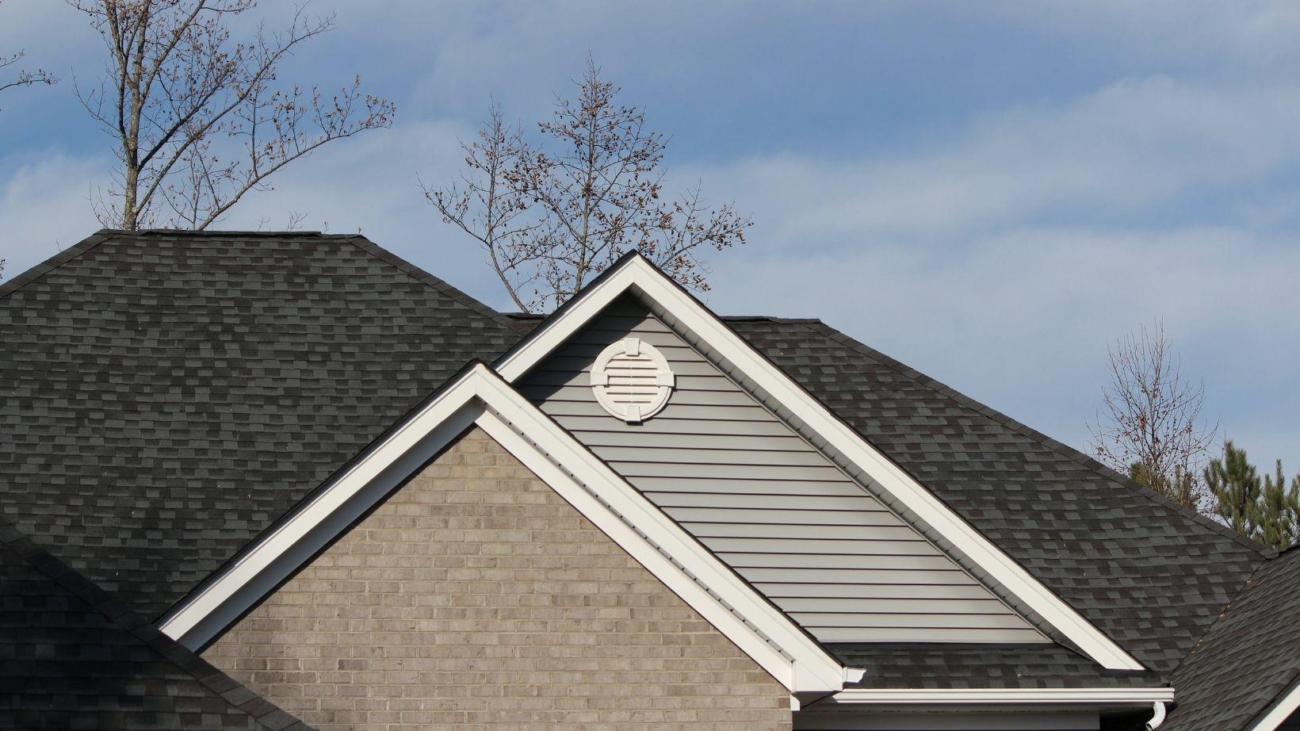
When bad weather arrives, everything beneath a roof gets the luxury of staying protected. Furniture stays dry, people stay warm, and the structure below avoids direct exposure. The roof itself gets no such break. It's outside for every storm, heat wave, cold snap, and windy afternoon.
That exposure doesn't happen occasionally. Sunlight beats down day after day, rain repeatedly runs across the surface, wind pulls at materials, and winter can bring snow, ice, and freezing temperatures. Branches and other debris may add impacts that weren't part of the original plan.
Years of taking those hits can eventually leave signs worth investigating. An inspection or help from a local roofing company can become important when changes appear, because a roof doesn't have to be pouring water into the living room before it deserves attention.
Every Season Leaves Something Behind
Weather rarely damages a roof according to a convenient schedule. More often, exposure accumulates. Summer heat and sunlight can affect roofing materials, while repeated temperature changes cause components to expand and contract. Then autumn arrives with leaves, branches, wind, and debris collecting in inconvenient places.
Winter introduces another set of conditions. Snow and ice add weight and moisture, while freezing and thawing can repeatedly test vulnerable areas. Spring storms bring heavy rain and wind, beginning another cycle before the roof has had much opportunity to recover from the previous season.
Different components experience those conditions differently. Shingles, flashing, sealants, gutters, fasteners, and penetrations each perform specific jobs, and their condition can change over time. The important point isn't that every storm causes serious damage. It's that roofs spend years absorbing environmental stress, and small effects can accumulate long before anyone inside notices something wrong.
The Damage Doesn't Always Announce Itself With a Leak
A bucket catching water from the ceiling leaves little doubt that something needs attention. Fortunately, homeowners don't always have to wait for such an obvious warning. Roofing problems can sometimes leave visible clues outside before water begins dripping into a room.
Shingles may become cracked, curled, loose, or missing. Granules can accumulate in gutters as certain roofing materials age. Flashing may appear damaged or displaced, while sections of the roofline can develop changes that deserve closer inspection. Interior ceiling stains can also suggest that moisture has traveled somewhere it shouldn't.
No single visual clue automatically identifies the cause or determines the necessary repair. That's why noticing change matters more than trying to diagnose everything from the ground. A roof that suddenly looks different after severe weather, or gradually develops visible deterioration, is providing information. Paying attention before an active leak appears can create an opportunity to investigate sooner.
Water Only Needs One Weak Point
Rain doesn't need an entire roof to fail. It needs a path. Most of the surface might continue performing exactly as intended while one vulnerable location allows moisture beneath materials designed to keep it outside. That small opening can make the problem surprisingly difficult to trace.
Transitions deserve particular attention because roofs aren't perfectly uninterrupted surfaces. Valleys direct large amounts of runoff, flashing protects certain joints and edges, and vents, chimneys, skylights, and other penetrations create places where different materials meet. Each transition depends on proper design, installation, and continued condition.
Once moisture gets beneath the visible roofing surface, its path may not be obvious from inside. Water can travel before finally producing a stain or drip somewhere else. That's one reason the location of an interior symptom doesn't always reveal the exact exterior entry point. Finding the source may require looking beyond the place where water eventually became visible.
The Attic Can Tell You What the Roof Won't
The roof's exterior isn't the only place that can reveal trouble. An attic sits directly beneath much of the roofing system, making it a useful place to notice changes that haven't yet reached finished ceilings or walls in the living areas below.
Water staining on wood, damp materials, unusual odors, or wet insulation can indicate moisture where it doesn't belong. In some situations, visible daylight through an unexpected opening may also deserve attention. The goal isn't to climb around unsafe areas or attempt complicated inspections without appropriate precautions, but simply to recognize unusual conditions.
Attics can reveal other issues that affect how the roof system performs, including ventilation and insulation concerns. Not every attic stain represents an active roof leak, and moisture can have multiple sources. Still, checking the space occasionally can provide another perspective. The roof may look normal from the driveway while evidence beneath it tells a different story.
Conclusion
A roof has one of the least forgiving jobs in the house. It faces weather continuously so the rooms underneath don't have to. Most days, that protection happens quietly enough that nobody thinks about the roof at all, which can make gradual deterioration particularly easy to overlook.
Waiting for water to enter a finished room isn't the only way to recognize trouble. Changes in shingles, flashing, rooflines, gutters, attic materials, or other components can provide earlier clues. Severe weather can also create good reason to pay closer attention even when everything indoors still seems completely normal.
Regular awareness is ultimately about respecting what the roof is asked to endure. Year after year, it takes the sunlight, wind, rain, snow, ice, temperature swings, and debris that the rest of the home avoids. A dry ceiling is reassuring, but it doesn't always tell the entire story happening above it.