
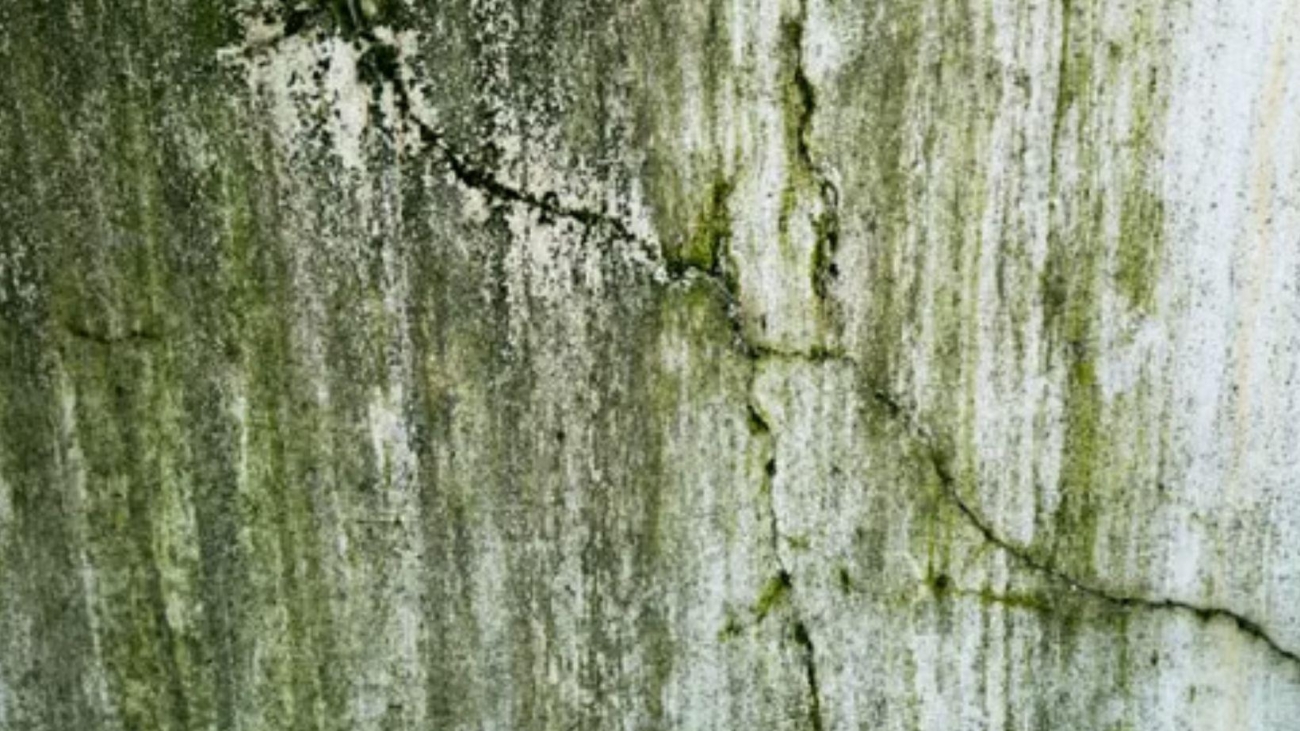
Mold and water damage are two of the biggest concerns for homeowners in Texas. Heavy rain, flooding, plumbing leaks, roof problems, and high humidity can all create conditions where moisture builds up inside a home. Once that happens, mold may begin growing within just a couple of days, leading to expensive repairs if left untreated.
Many homeowners worry that these issues make their property impossible to sell. That is not true. Homes with water damage or mold can still be sold, including through an as-is sale. Knowing how this process works helps sellers make informed decisions and avoid unnecessary stress. This guide explains what buyers look for, what sellers should expect, and how an as-is transaction works in Texas.
What an As-Is Sale Really Means
An as-is sale simply means the seller is offering the property in its current condition without agreeing to complete repairs before closing. Buyers know they are purchasing the home with its existing problems, and they calculate repair costs before making an offer.
Some people think an as-is sale allows sellers to hide property defects. Texas law does not work that way. Sellers are still expected to disclose known issues when disclosure requirements apply. Honest communication helps both parties complete the transaction with fewer surprises.
After estimating the cost of water damage repairs, some homeowners find that restoring the property is not the right choice. Next Step House Buyers buys homes in their current condition, allowing sellers to avoid lengthy repairs and move forward more easily.
|
Common Issue |
Can It Be Sold As-Is? |
Buyer Expectation |
|
Roof leak |
Yes |
Repair costs included in offer |
|
Mold growth |
Yes |
Inspection may be requested |
|
Flood damage |
Yes |
Damage evaluated before pricing |
|
Plumbing leaks |
Yes |
Future repair budget considered |
|
Damaged drywall |
Yes |
Renovation planned after purchase |
Mold Problems That Often Affect Texas Homes
Texas weather creates conditions where moisture can build up quickly. High humidity combined with hidden leaks allows mold to spread behind walls, beneath flooring, inside ceilings, and around windows.
Small areas of mold may only require limited treatment. Larger infestations often involve replacing drywall, insulation, flooring, or wood framing. Buyers usually estimate these repair costs before deciding how much to offer.
Visible mold is not always the full story. Moisture trapped behind building materials may continue feeding mold long after a leak appears to have stopped. Professional inspections help identify hidden damage.
Health concerns also influence buyer decisions. Some families prefer homes without mold because of allergies or respiratory sensitivities. Investors, on the other hand, often focus more on repair costs than appearance.
Water Damage Can Affect More Than Appearance
Water damage goes far beyond stained ceilings or peeling paint. Long-term moisture may weaken structural materials, damage electrical systems, rot wooden supports, or affect insulation throughout the home.
Here are some areas commonly affected:
- Roofing materials
- Drywall and ceilings
- Flooring and subfloors
- Cabinets and kitchen fixtures
- Electrical wiring
- HVAC systems
- Foundation in severe cases
Repair costs vary depending on how long moisture remained inside the property. A quick plumbing repair may involve minimal restoration, while years of hidden leaks could require extensive renovation.
That is why buyers usually inspect the property carefully before making an offer.
What Buyers Usually Check Before Making an Offer
Every buyer has different priorities. Families searching for a home often compare repair costs with their available budget. Investors usually evaluate renovation expenses alongside the property’s future market value.
During inspections, buyers commonly review:
|
Inspection Area |
Reason It Matters |
|
Roof |
Finds active leaks |
|
Foundation |
Checks moisture movement |
|
Plumbing |
Identifies hidden water sources |
|
HVAC |
Detects moisture around equipment |
|
Windows |
Looks for water intrusion |
|
Basement or crawl space |
Reveals standing water or dampness |
Inspection findings help buyers estimate renovation costs. Serious issues do not automatically end negotiations. They simply influence the final purchase price.
Why Some Sellers Choose This Option
Repairing mold or water damage can take considerable time. Contractors may have long waiting lists, material prices may increase, and unexpected repairs often appear after work begins.
Selling as-is removes much of that uncertainty. Sellers avoid coordinating multiple contractors, scheduling inspections during renovations, and paying for repairs before listing the home.
People facing financial hardship, inherited property responsibilities, relocation, divorce, or foreclosure often prefer a quicker solution that allows them to move forward without investing additional money into the property.
Every situation is different, making it important to compare repair costs with potential selling options before deciding.
Smart Steps Before Listing Your Property
Preparing for an as-is sale does not always require major repairs. Small actions can still improve buyer confidence and create a smoother transaction.
Helpful preparation includes:
- Gather maintenance records.
- Fix active water leaks if possible.
- Remove standing water.
- Clean visible debris.
- Organise disclosure documents.
- Obtain inspection reports if available.
- Keep utility services connected during showings.
These simple steps provide buyers with a clearer picture of the home’s condition while reducing unnecessary questions during negotiations.
Looking Beyond Damage When Selling
Water damage and mold may seem overwhelming at first, although they do not automatically prevent a successful home sale. Many Texas properties with these problems, including homes where garage insulation has been affected by moisture, change ownership every year through traditional buyers, investors, and as-is purchases.
A realistic asking price, honest disclosure, and clear expectations often lead to smoother negotiations. Buyers appreciate transparency because it allows them to estimate repair costs accurately before making an offer.
Rather than focusing only on visible damage, homeowners should evaluate their financial goals, available time, and willingness to manage repairs. Choosing the right selling approach depends on individual circumstances, making informed decisions far more valuable than rushing into expensive renovations.
Common Questions
1. Can I legally sell a house with mold in Texas?
Yes. You can sell a home with mold. Sellers should disclose known issues when required under Texas law, allowing buyers to make informed decisions.
2. Do I have to repair water damage before selling?
No. Homes can often be sold as-is without completing repairs. Buyers simply consider repair costs when determining their offer.
3. Will mold lower my home’s selling price?
In many cases, yes. The extent of mold, repair costs, and overall property condition all influence how buyers value the home.
4. Who usually buys homes with major water damage?
Many different buyers purchase these properties, including investors, renovation specialists, and companies like Next Step House Buyers, which focus on homes needing repairs.