
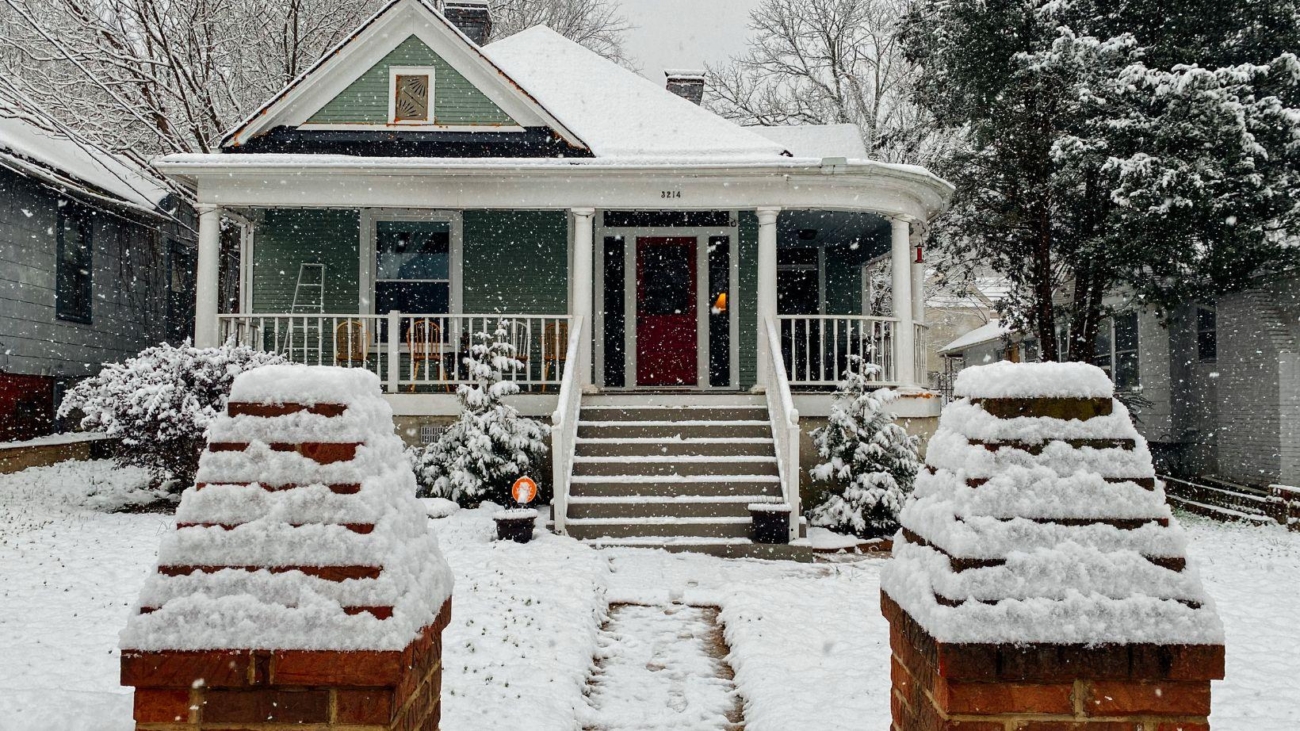
Wellington’s weather can make it hard to decide when to paint the exterior. Rain, wind, cool temperatures, and damp surfaces affect preparation and drying, while spring demand can make scheduling harder. The right choice depends on the condition of the existing coating, the work’s location, and the forecast during the project. This guide explains when repainting before winter makes sense and when waiting for spring is wiser.
Why Professional Preparation Matters
Preparation often takes longer than painting. It can include washing, scraping, sanding, filling, sealing, and repairing damaged areas. Each step affects adhesion and appearance, particularly where an older coating has failed in several ways.
Homeowners comparing house painters in Wellington should ask how the team will inspect and prepare the property, rather than comparing paint application alone. A clear quote should explain which surfaces are included, what repairs are required, how the team handles weather delays, and how they will check the finished areas. These details reduce surprises during a changeable season.
Interior painting is less exposed to rain and wind, so it often suits winter better than exterior work. Rooms still need ventilation and a suitable temperature, but indoor projects can continue when outdoor conditions interrupt the schedule.
Check the Exterior Before Choosing a Season
Start with the paintwork, not the calendar. Peeling, cracking, bubbling, chalky surfaces, exposed timber, and areas where moisture enters need attention before winter places more stress on them. A fresh coating won’t fix dampness, rotten timber, or failed sealant, so assess those problems during preparation.
Walk around the house and inspect walls, window surrounds, fascia boards, doors, and other exposed areas. Pay close attention to shaded elevations and surfaces near the coast, where moisture and wind can wear paint faster. If the coating remains sound and the colour change is mainly cosmetic, it’s reasonable to wait for a better weather window.
When Repainting Before Winter Makes Sense
Exterior work can proceed before winter when the forecast provides a stable, dry period and the surfaces are ready. Wellington weather can change quickly, so the schedule needs enough flexibility for surface preparation, application, and drying. A professional assessment helps confirm whether the project suits the available conditions.
Homeowners should consider repainting before winter if:
The finish depends on more than sunshine. The surface must be clean and dry, and the chosen product must suit the substrate and conditions. Painting over moisture traps problems beneath the new coating and shortens its service life.
When Waiting Until Spring Is Better
Waiting for spring makes sense when the exterior remains sound, and the available weather window is too short. A rushed project increases the chance of painting damp surfaces, missing preparation work, or having fresh coatings exposed to rain before they dry properly.
Spring also suits properties that need extensive repairs. If cladding, timber, plaster, or sealant requires attention, allow time for each repair to dry and settle before painting. Booking early helps secure a suitable date, especially when several exterior elevations need preparation.
Do not wait without a plan if the coating is actively failing. Temporary maintenance, such as clearing blocked gutters and recording damaged areas, can reduce further deterioration while you arrange an inspection. Persistent dampness still needs a proper assessment before you start any repainting.
Questions to Ask Before Booking
A short site discussion can reveal whether winter or spring is the safer choice. Ask the painter to explain the preparation method, the proposed products, and the conditions required each day.
Use these questions to guide the decision:
- Which surfaces need repair before painting begins?
- How will damp or weathered areas be tested?
- Which parts of the house are most exposed to wind and rain?
- What happens if poor weather interrupts the schedule?
- Is interior work a better winter option for this property?
The answers should relate to the house itself, not a standard seasonal promise. A sheltered property with sound surfaces has different needs from an exposed home with failing timber or persistent moisture.
Conclusion
Repaint before winter when the existing coating is failing and a reliable dry period allows proper preparation and drying. Wait for spring when the paintwork is sound, repairs need more time, or the forecast cannot support a careful exterior project. Arrange an assessment early, address moisture first, and choose a schedule based on surface condition rather than season alone.