
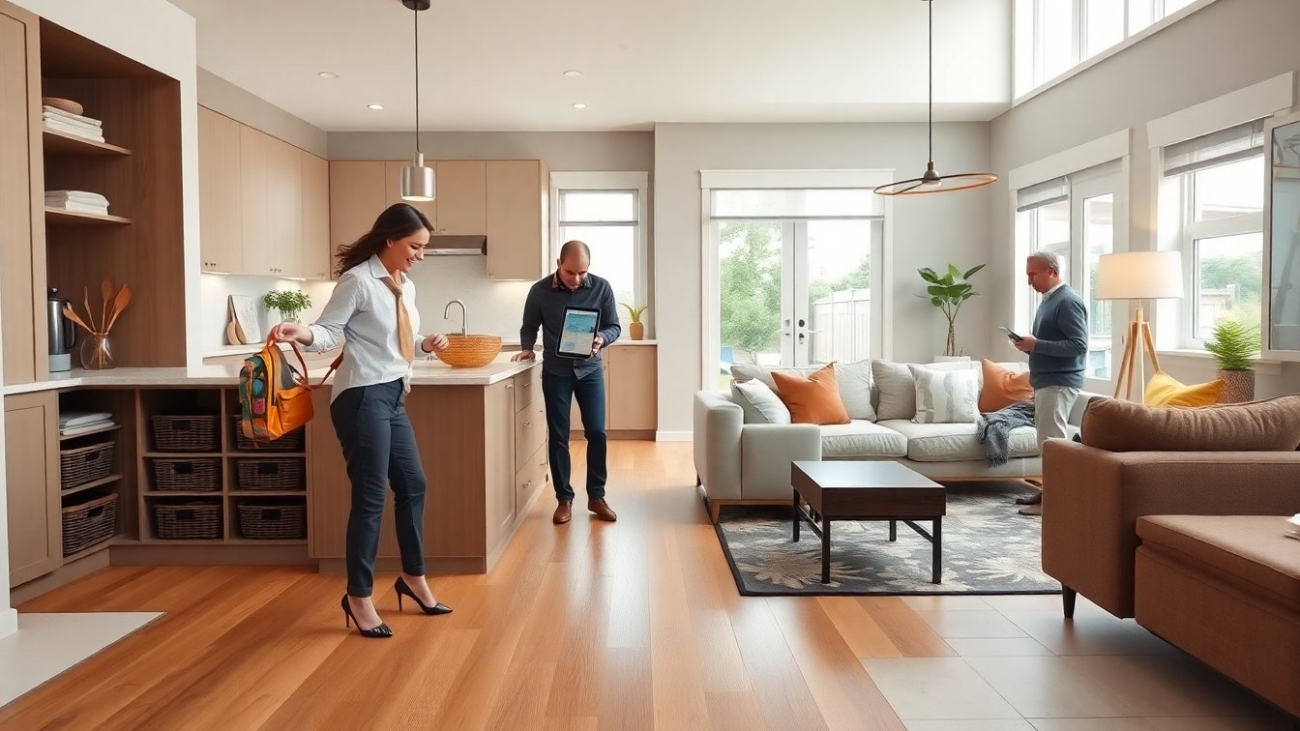
housereal design focuses on practical, timeless choices that suit daily life. It values function, comfort, and clarity. It aims to make homes easier to use, maintain, and enjoy. It avoids fleeting trends and favors decisions that hold value over years. This article lays out core principles and concrete tactics readers can apply in common rooms and busy homes.
Key Takeaways
- HouseReal design prioritizes practical, durable choices that enhance daily living by focusing on function, comfort, and ease of maintenance.
- Design functional layouts by mapping daily routines, placing high-use zones close together, and creating flexible rooms that adapt to changing needs.
- Use zoning and efficient traffic flow to minimize noise and movement conflicts while ensuring rooms serve multiple purposes.
- Select long-lasting, low-maintenance materials like porcelain tile, quartz countertops, and stainless hardware to support busy households and sustainability.
- Incorporate layered lighting and neutral color palettes to create supportive moods and maximize natural and artificial light effectively.
- Plan storage strategically, choose finishes that age well, and prioritize materials with good life-cycle costs to balance upfront expense with long-term value.
H2 [5JTM6eLiYEfXYL1g-6ei-]: Core Principles Of HouseReal Design
HouseReal design puts people first. It sets clear goals for use, comfort, and upkeep. It chooses durable systems and simple forms. It reduces visual clutter and limits fussy detail. It favors scale and proportion that match human activity. It plans storage where people need it. It selects finishes that age well and that crews can repair without special skills. It balances cost and longevity so owners avoid early replacement. It uses pattern and material to mask wear. It keeps layouts efficient so rooms serve multiple needs.
H2 [SYdPtJx-R46uONkKLzO_F]: Designing Functional Layouts For Real Life
Designers should map daily routines before drawing walls. They should place high-use zones near each other. They should avoid long, awkward circulation paths. They should make entry zones handle shoes, bags, and quick storage. They should position utilities for easy servicing and for logical flow. They should plan for future changes so rooms can shift purpose. They should prioritize sightlines so caregivers can watch children while doing chores. They should add storage that matches objects rather than empty boxes. They should test furniture arrangements on paper or with tape on the floor.
H3: Zoning, Traffic Flow, And Flexible Rooms
Zoning breaks a plan into public, private, and service areas. Zoning reduces noise and movement conflicts. Traffic flow follows the shortest practical routes between use points. Traffic paths should avoid cutting through seating or dining areas. Flexible rooms accept different furniture layouts. Flexible rooms include sliding doors, simple built-ins, and clear floor zones. Flexible rooms allow a guest room to double as an office. Flexible rooms keep resale value high because buyers can adapt them.
H2 [OVdue4cBtppULYwnGlPgK]: Materials, Finishes, And Sustainability
HouseReal design selects materials that last and that require low care. It favors finishes that hide dirt and scratches. It prefers locally available materials to cut transport impact. It picks insulation, windows, and seals to reduce energy use. It chooses paints and adhesives with low emissions for indoor air quality. It plans for repairs by using common hardware and standard sizes. It estimates life-cycle cost so buyers can compare short-term savings versus long-term cost. It values certified or proven materials over novelty.
H3: Durable, Low-Maintenance Materials For Busy Homes
For floors, choose porcelain tile, engineered wood, or wear-grade laminate in active zones. For countertops, choose quartz or sealed natural stone. For cabinets, choose painted or laminated surfaces that resist staining. For hardware, pick stainless or coated metals that resist fingerprints and corrosion. For textiles, pick tight weaves and performance upholstery in family areas. For bathrooms, pick grout and sealants rated for frequent moisture. For exteriors, choose cladding with proven weather resistance and with simple maintenance routines.
H2 [ZkSU0rlVsQV_5QtArZRVB]: Light, Color, And Texture To Elevate Everyday Spaces
Light, color, and texture shape how people feel in a room. HouseReal design plans daylight first. It groups tasks under daylight where accuracy matters. It adds layered artificial light for evening tasks and for ambience. It favors color palettes that support daily use: neutral anchors with one or two calm accents. It adds texture to hide wear and to add tactile interest. It places reflective surfaces to increase perceived light without glare. It tests paint samples on walls and sees them at different times of day.
H3: Layered Lighting And Color Palettes For Mood And Utility
Layered lighting combines general, task, and accent sources. Layered lighting gives control and reduces energy waste. Use dimmers on main lights and direct task light where people read, cook, or work. Use warm white for living areas and cooler white for task zones where clarity matters. Keep a limited palette of two neutrals and one accent to simplify decisions. Use matte finishes on walls to reduce glare and satin or semi-gloss on trim for easy cleaning. Use small textured elements like rugs and cushions to add interest without visual noise.