
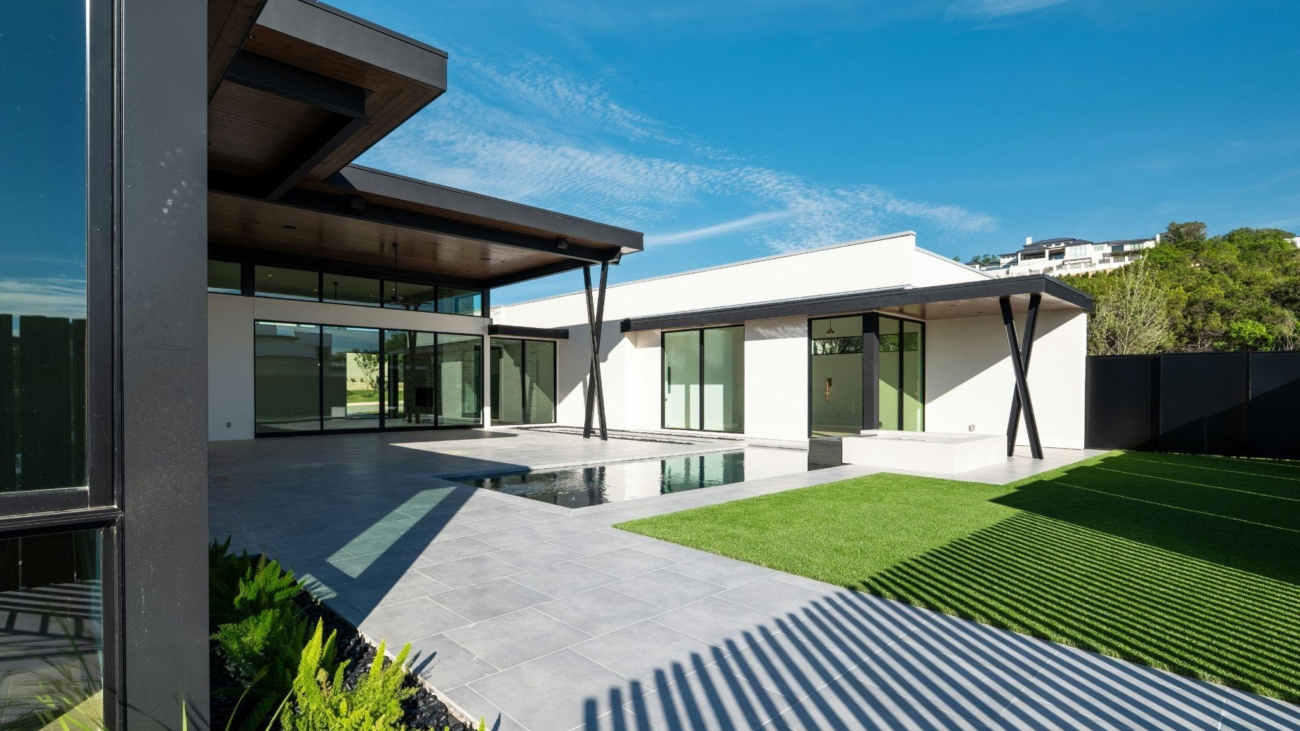
First impressions start at the curb. Buyers form an opinion before they step inside, and a patchy, brown, or muddy yard can make a house feel more work than it is. That's why some sellers wonder whether replacing a tired lawn with artificial turf is worth doing before the listing goes live. It can be, but it isn't a no-brainer. Here's a straight look at the pros and cons.
Photos and drive-bys do a lot of the selling. A lawn that's green and even looks cared for, while bare patches and weeds suggest deferred maintenance. Listing photos taken in late summer or winter can make real grass look rough, even in a yard that's fine most of the year. A yard that photographs well can help buyers imagine living there.
Turf tends to make the most sense in a few situations:
• Shady yards where grass keeps dying back
• Slopes or tight side yards that are hard to mow
• Spots that wear out fast, like a dog run or a play area
• Homes where the buyer is likely to want low upkeep, such as downsizers or busy families
In those cases, a clean green surface solves a visible problem for the whole season, not just in good weather.
If you're weighing a project, it's worth talking to a local installer instead of guessing. Turft, a Nashville company, installs artificial turf for home curb appeal and also offers pet-friendly turf and options for sport and play areas. Whoever you choose, ask to see finished yards, ask how they prepare the base, and get the scope and warranty in writing. A lawn that ripples or pools water after the first rain will hurt a sale, not help it.
Not everyone loves the idea. Some buyers prefer real grass, and some worry about heat, drainage, or how the turf will look in ten years. You can head off those questions with simple answers: how it was installed, what it's made of, how it drains, and what the warranty covers. Keep any paperwork from the installer so you can share it if someone asks.
If you live in a community with a homeowners association, check the rules before you start. Some associations limit what you can put in a front yard, and it's much easier to ask first.
• What goes under the turf, and how is it drained?
• How does it hold up in summer sun?
• What infill is used, and is it safe for pets and kids?
• What does the warranty cover, and does it transfer to a new owner?
• Can I see a yard you installed a few years ago?
Turf isn't the only way to freshen a yard. A tidy edge, clean walkways, trimmed shrubs, fresh mulch, and a coat of paint on the front door can do a lot for a modest budget. If your lawn is mostly healthy, patching and reseeding may be all you need. Think of turf as one tool, not the whole plan.
Turf can make sense when the problem is a hard-to-grow yard and you want a clean look quickly. Artificial turf is also a low-maintenance alternative to natural grass, helping maintain a consistently green appearance throughout the year. Compare a couple of quotes, talk to your agent about your local market, and spend where it fixes something buyers will actually notice.