
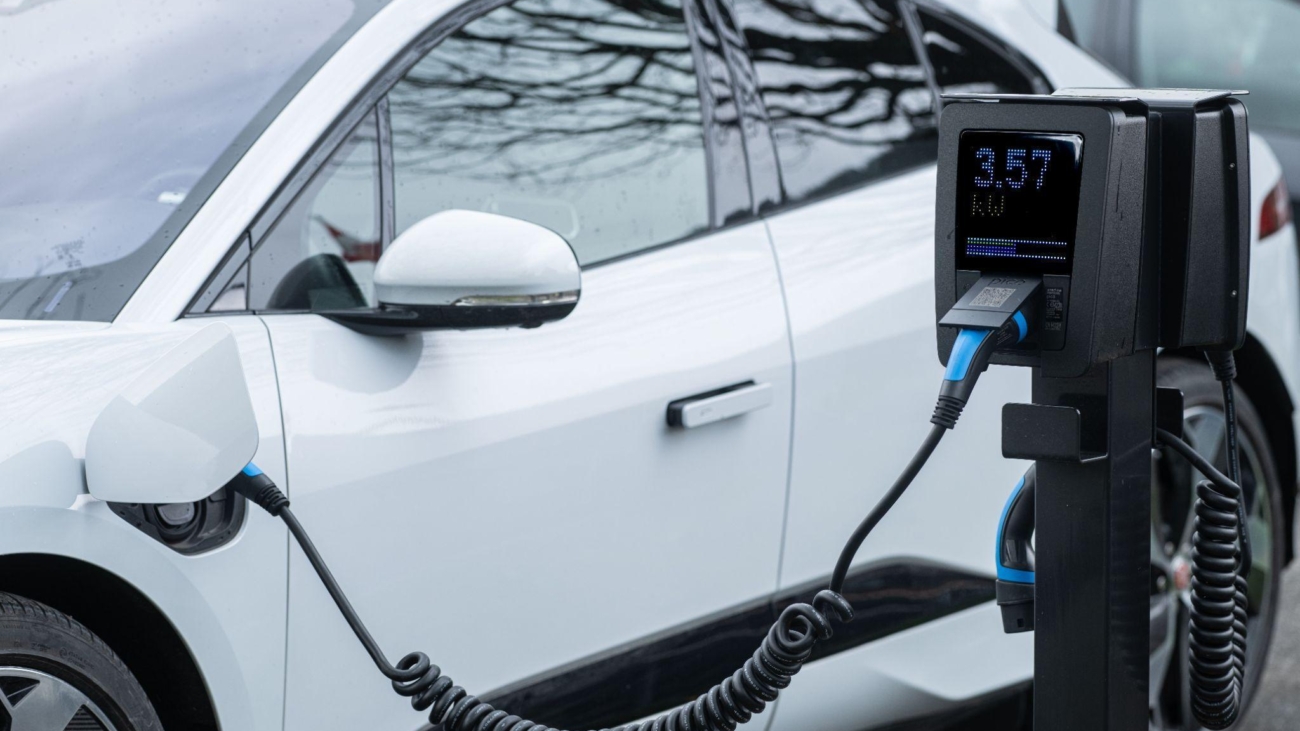
Electric vehicles are turning up on more Melbourne driveways every month, and for most new owners the charger conversation starts later than it should. You order the car, wait for delivery, and only then start Googling how you’re actually going to charge it at home. Most guides on this topic focus on price ranges and charger specs, which is useful, but they skip over something that matters just as much: who you let near your switchboard. Getting that part wrong costs more than a botched install. It can mean a fire risk, a failed compliance check, or a charger that trips out every time you turn on the oven. Here’s what actually needs sorting before you book anyone.
Start with the switchboard, not the charger
It’s tempting to shop for chargers first, comparing charging speeds and app features the way you’d compare phones. But the switchboard is what decides whether any of that matters. A lot of Australian homes, especially anything built before the early 2000s, are running boards rated at 40 to 63 amps, and a good chunk of that capacity is already spoken for by ducted air conditioning, electric hot water, and the usual kitchen load. Add a 7kW or 22kW charger without checking first and you’re either tripping breakers weekly or asking for trouble. This is why any electrician worth hiring will want to physically look at your switchboard before quoting a firm price, not just take your address and a photo over text. If someone quotes you sight unseen for a fixed low price, that’s a flag, not a bargain.
Single-phase or three-phase? It changes everything
Most suburban homes in Melbourne run on single-phase power, which caps how fast you can charge no matter how premium the unit on your wall is. Three-phase supply, more common in newer builds or homes that have had it added for something like a pool or workshop, opens the door to faster charging, but only if your electrician confirms it’s actually available at the street and not just theoretically possible. Upgrading from single to three-phase isn’t a small job. It usually involves the distributor, not just your sparky, and can add weeks and real money to the timeline. Anyone who breezes past this question, or assumes your setup without asking, hasn’t done the groundwork.
Where the charger ends up matters more than you’d think
The distance between your switchboard and where the car actually parks drives a surprising amount of the final cost. A charger mounted right next to the board is a straightforward job. One that needs cabling run through the roof, along an external wall, or trenched under a path to reach a detached garage turns into a different project entirely, with conduit, trenching, and possibly council considerations if it crosses shared property. Ask early where the cable route will run and what work that involves, because this is usually where quotes blow out after the fact.
The questions that actually separate a good electrician from a risky one
This is the part most homeowners skip, and it’s the part that protects you. First, check they’re licensed to work in Victoria, not just experienced. You can verify a licence number through Energy Safe Victoria in a couple of minutes, and any legitimate operator will give you theirs without hesitation. Second, ask directly whether they’ll inspect your switchboard and cable route in person before locking in a price, rather than emailing back a number based on guesswork. Third, get the quote in writing with the make and model of the charger specified, because “an EV charger” covering everything from a basic 7kW unit to a smart three-phase model isn’t really a quote at all. Fourth, ask for a realistic timeframe, including whether they need to coordinate with your electricity distributor for any supply upgrade, since that step is outside their control and can add real delays. Finally, confirm you’ll receive a Certificate of Electrical Safety once the work is done. Without it, you have no formal proof the installation meets Australian standards, and that matters for insurance and for resale. If you’re comparing installers in Melbourne, it’s worth looking specifically for teams offering electric vehicle charger installation melbourne as a dedicated service rather than a side job, since specialists tend to have already worked through the switchboard and supply questions on dozens of similar homes.
What you’re actually paying for
Straightforward jobs, where the switchboard has spare capacity and the charger sits close to it, often land in the low thousands once you include the unit itself. Anything involving a switchboard upgrade, trenching, or a jump to three-phase supply pushes that figure up considerably, sometimes by several thousand dollars more. The spread is wide enough that any quote given without an inspection should be treated as a guess, not a plan.
None of this needs to be complicated, but it does need to be asked. A charger is only as good as the wiring and the switchboard behind it, and the person doing that work is the actual variable that determines whether your setup is safe, compliant, and fast enough to be worth having. Do the vetting before you book, not after the drill comes out.