
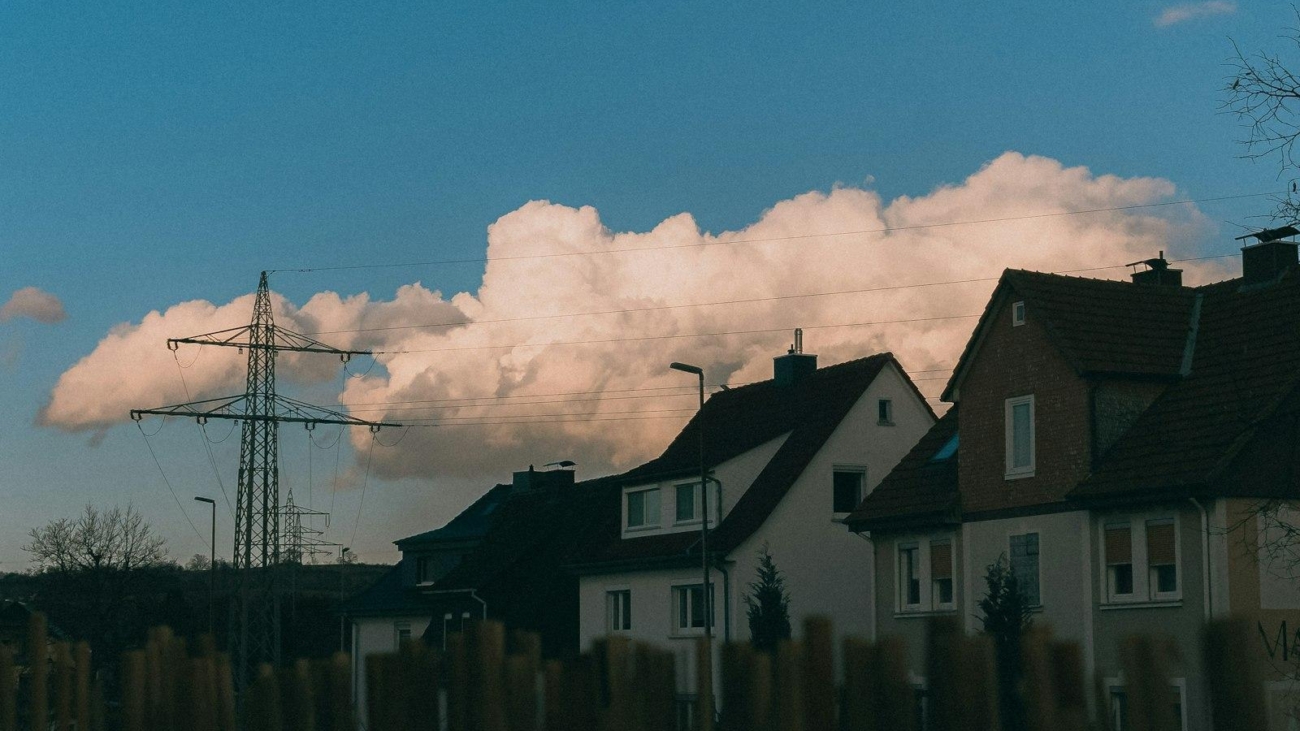
The buildings that come through a nor’easter or a summer flash flood with the least damage are rarely the newest ones. They are the ones whose owners treated weather prep as a year-round habit rather than a scramble the night before a storm makes landfall.
Michael Gut has spent years managing residential buildings in Greenpoint, Brooklyn, long enough to see how differently two similar properties can fare through the same weather event, depending almost entirely on what happened months before the storm arrived.
Building the Habit of Year-Round Inspection
Roofs and drainage systems do most of their damage quietly. A clogged gutter or a slow roof leak rarely announces itself until a heavy storm pushes more water through the system than it can handle, and by then the fix has grown from a maintenance line item into an emergency repair.
Regular inspection catches these problems while they are still cheap to solve: checking flashing around chimneys and vents, clearing debris from drains and gutters before leaf season, and walking the exterior after any significant wind event to look for loose siding, damaged facade sections, or overhanging tree limbs that a stronger gust could bring down.
Trees deserve the same seasonal attention as the building itself. A limb that looks fine in calm weather can become a serious hazard once sustained wind gets involved, and a landlord who has a certified arborist check overhanging branches before storm season avoids the far more expensive scenario of dealing with roof or facade damage after the fact.
Preparing for Flooding Before It Threatens a Basement
A basement flood is rarely a single cause. Michael Gut of NYC has seen it play out the same way across different buildings: a sump pump that was never tested, a backflow valve that was never installed, or a drain line that gets checked only after water is already on the floor.
Testing a sump pump before storm season, rather than during one, is a small task that prevents a large loss. Backflow valves matter just as much in low-lying blocks near the waterfront, where a surge event can push water back through a building’s own plumbing rather than in through a door.
Insurance is the other half of flood preparation, and it is easy to get wrong. A standard landlord policy often excludes flood damage entirely, which means a separate flood policy, reviewed annually against the building’s actual flood zone designation rather than an assumption carried over from the year before, is worth the extra line item on the budget.
Cold weather brings its own version of the same problem. Pipes in unheated stairwells, exterior-facing walls, and older basements are the ones most likely to freeze and burst during a hard cold snap, and insulating them ahead of winter costs a fraction of what a burst pipe and the resulting water damage will run once the temperature drops below freezing for more than a day or two.
How Michael Gut Approaches Storm-Season Maintenance
Michael spent 25 years working with the 32BJ union alongside a career built in real estate and property management, time that put him inside the operational realities of keeping New York City buildings running through every kind of weather the city produces. That background shapes a simple view of storm prep: the goal is not to react well to a storm; it is to make the storm as uneventful as possible by handling the groundwork months in advance.
Seen through the Michael Gut, landlord lens, that groundwork is unglamorous by design. It means a maintenance calendar that treats roof checks, drain clearing, and pump testing as fixed seasonal tasks rather than optional ones, and it means documenting each inspection so nothing gets skipped when a mild winter makes the next storm season feel less urgent than it is.
Communicating with Tenants Before, During, and After a Storm
Preparation is not only structural. Tenants who know what to expect before a storm arrives, where shutoffs are located, what to do if a unit loses power, and how to report water intrusion quickly, tend to catch problems earlier than a property owner working from the outside alone.
A short notice before a forecasted storm, covering building-specific steps rather than generic advice, does more good than a general weather alert ever could. For further thoughts on the NYC property market and how tenant communication fits into a broader maintenance approach, the same operational habits that protect a building also tend to keep tenants longer.
None of this requires unusual resources, only consistency. A landlord managing a handful of buildings can run the same seasonal checklist as one managing dozens; the difference between a building that weathers a storm cleanly and one that ends up with a costly claim is rarely the size of the portfolio. It is whether the basic maintenance items got done on schedule rather than after a warning sign appeared.
What Happens After the Storm Passes
The work does not end once the wind dies down. A methodical walk-through, checking basements, roof access points, and any area flagged in the pre-storm inspection, catches slow leaks and minor damage before they turn into larger claims. Photographing conditions immediately after a storm also gives a landlord a clean record if an insurance claim becomes necessary later.
For his ongoing writing on real estate and the practical side of property upkeep across a full year, that post-storm discipline is often the difference between a minor repair bill and a major one.
New York City’s weather will keep testing older buildings and newer ones alike, but the properties that hold up best tend to share the same trait Michael Gut has relied on across decades of managing them: treating storm preparation as ordinary maintenance rather than an emergency that shows up once a year.