
When maintaining and improving your home, a solid budget plan is crucial. Home improvements can seem overwhelming due to their cost.
With careful planning and the right information, you can ensure that your home improvements stay within budget and increase the value of your property. If you’re considering necessary home improvements, here’s how to approach budgeting effectively.
Assessing Your Home’s Roofing Needs
A roof replacement is one of the most significant home improvement projects. The national average for a roof replacement is approximately $8,314, with most homeowners spending between $5,500 and $11,000. The cost can vary based on several factors, such as the size of your roof, the material you choose, and, importantly, the roof’s pitch.
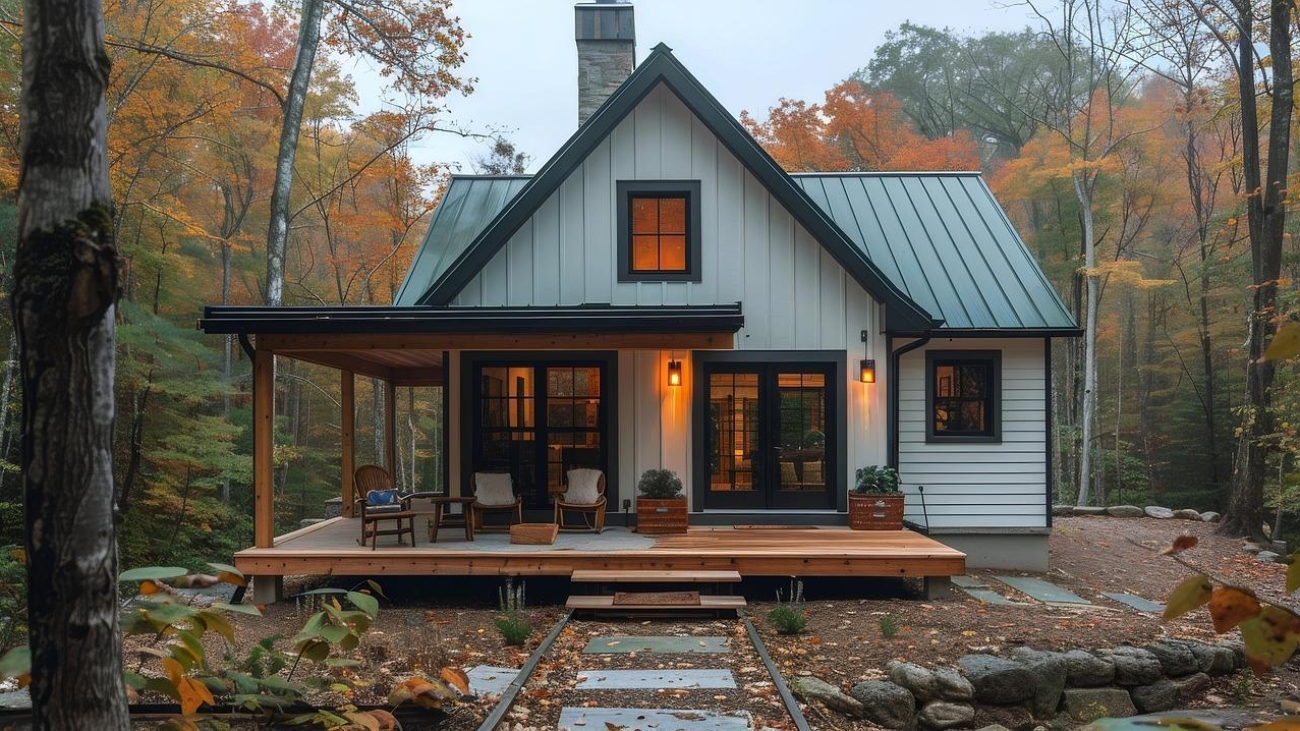
Roof pitch refers to the steepness or angle of the roof. It plays a crucial role in determining both the functionality and aesthetic appeal of your home. Roofing with a steeper pitch requires more material, which can increase the cost of your project.
It can offer benefits like better water runoff and a longer-lasting roof. Understanding the different roof slope styles can help you make an informed decision about the style that fits your home’s needs.
Roof Slope Styles to Consider
Different roof pitches serve different purposes and come with their own set of benefits. The key types include:
-
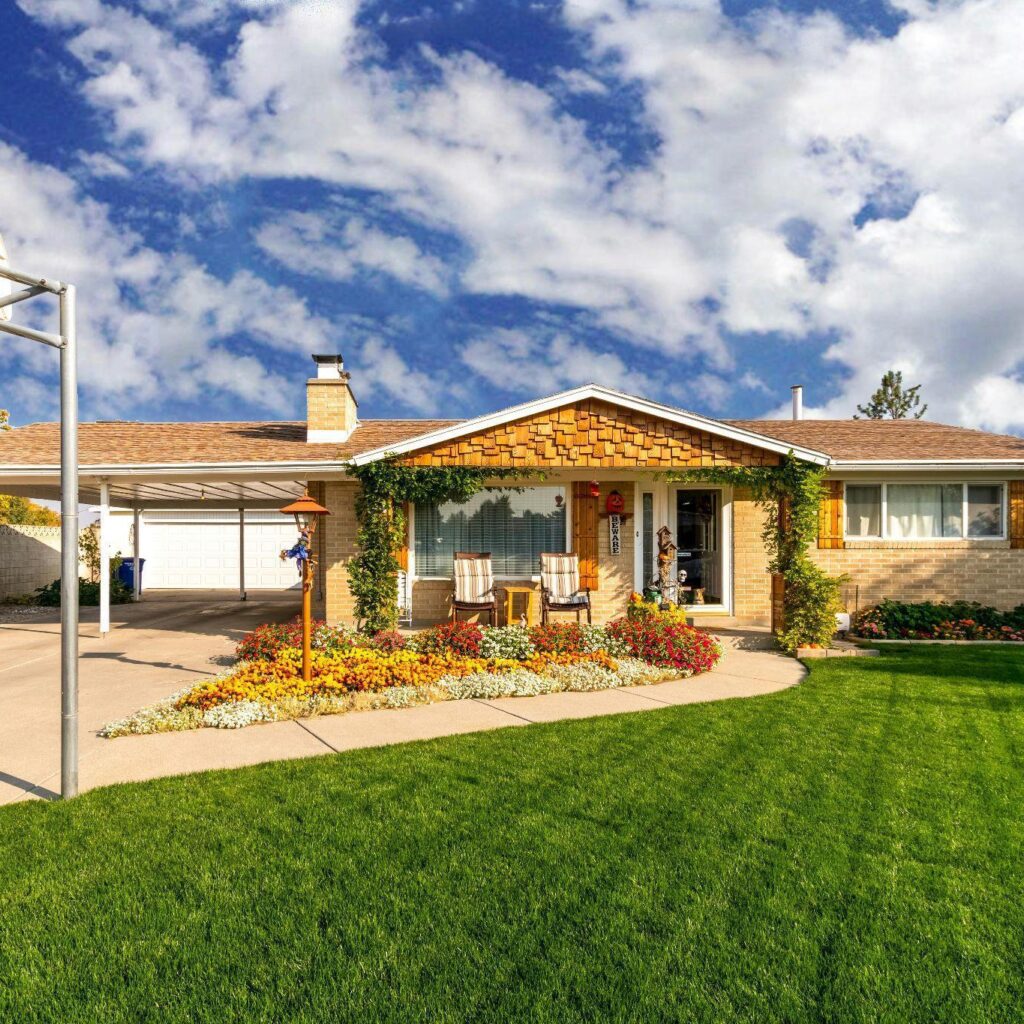
Low-Pitch Roofs: These roofs have an angle of less than 4/12 (4 inches of rise for every 12 inches of horizontal length). While cost-effective, they are more prone to water accumulation, so they require special roofing materials that provide better waterproofing.
-
Medium Pitch Roofs: These are the most common roof types, with an angle ranging from 4/12 to 7/12. They offer a good balance of cost, aesthetics, and performance, making them suitable for most climates.
-
Steep Pitch Roofs: A roof with an angle greater than 7/12 is considered steep. While these roofs tend to be more expensive due to increased material costs and labor, they’re highly effective at shedding water and snow, making them ideal for regions with heavy rainfall or snowfall.
Rescreening Masters points out that choosing the correct pitch depends on your local climate, your home’s aesthetic, and your budget. Steep roofs may require more expensive materials, and they’re the best option for areas with harsh weather conditions.
Contacting Roofing Experts for Guidance
While gathering information on your own can be helpful, seeking advice from roofing experts is often crucial to ensure that your roof replacement stays within budget and is completed correctly. Roofing professionals can provide invaluable guidance on the most appropriate types of roof pitches for your home, as well as the best materials suited to your specific climate and aesthetic needs. They can assist in understanding local building codes and obtaining the necessary permits.
By consulting with experts, you can avoid costly errors and ensure that your roof is installed properly from the start. Roofing professionals often have established relationships with suppliers and contractors, which can result in better pricing and help you stick to your budget. Engaging with professionals early in the planning stage can greatly influence both the cost-effectiveness and quality of your home improvement project.
Choosing the Right Roofing Materials for Your Pitch
Once you’ve decided on the type of roof pitch, the next step is to choose the appropriate roofing material. Different pitches pair better with specific materials, and selecting the right one is key to the durability and longevity of your roof.
Steep-pitched roofs are often best suited for materials like slate, tile, or metal, as these materials shed water and snow efficiently. Low-pitched roofs tend to do better with materials such as rubber or single-ply membranes, which offer more flexibility and waterproofing capabilities.
The material you select will have a direct impact on your budget. More durable and high-performance materials may have a higher initial cost but can save you money in the long run by lasting longer and requiring fewer repairs. It’s important to weigh both the short-term and long-term costs when deciding what material is best for your home’s roof.
Setting a Roof Budget
Once you have a general idea of the roofing style that suits your home, it’s time to set your budget. One of the most important factors to account for is the cost of materials.
Roof replacement costs are heavily influenced by the material you choose. The cost of a roof can vary dramatically based on the materials, with shingles costing much less than more durable options like metal roofing. The budget for a shingle roof can average around $32,000, while a metal roof could run upwards of $52,000.
When planning for a roof replacement, you should account for costs, including labor, permits, and any unexpected repairs that may arise once the old roof is removed. A good rule of thumb for budgeting is to add 10% to the estimated cost of materials and labor. This helps to cover unforeseen costs that could crop up during the replacement process.
Finding Savings Without Sacrificing Quality
While budgeting is crucial, saving money doesn’t necessarily mean skimping on quality. There are several ways to find savings without sacrificing the integrity of your roof:
-
Get Multiple Estimates: Don’t settle for the first roofing estimate you receive. Getting quotes from multiple contractors ensures that you get the best price for the services provided. Make sure to compare the services included in each estimate to ensure that you’re not missing any key aspects.
-
Consider Financing: If the upfront cost of roof replacement is too high for your current budget, many roofing companies offer financing options. This allows you to pay for the project in installments, which can make the expense more manageable.
-
Don’t Overlook Maintenance: Once your new roof is in place, it’s important to keep up with regular maintenance. Small repairs, like clearing gutters and inspecting the roof for damage, can extend the life of your roof and prevent costly future repairs.
Whether you’re budgeting for a simple roof repair or a complete replacement, it’s important to plan carefully to ensure that the costs align with your expectations. Take into account the roof’s pitch, materials, labor, and any unforeseen costs that may arise. By understanding the nuances of roof types and pitching, and by budgeting effectively, you can ensure that your home improvements meet your needs and are affordable as well.
When in doubt, it’s always beneficial to consult with professionals who can provide insights specific to your home and location. With the right knowledge and planning, your roof will protect your home and will enhance its value and curb appeal for years to come.
