
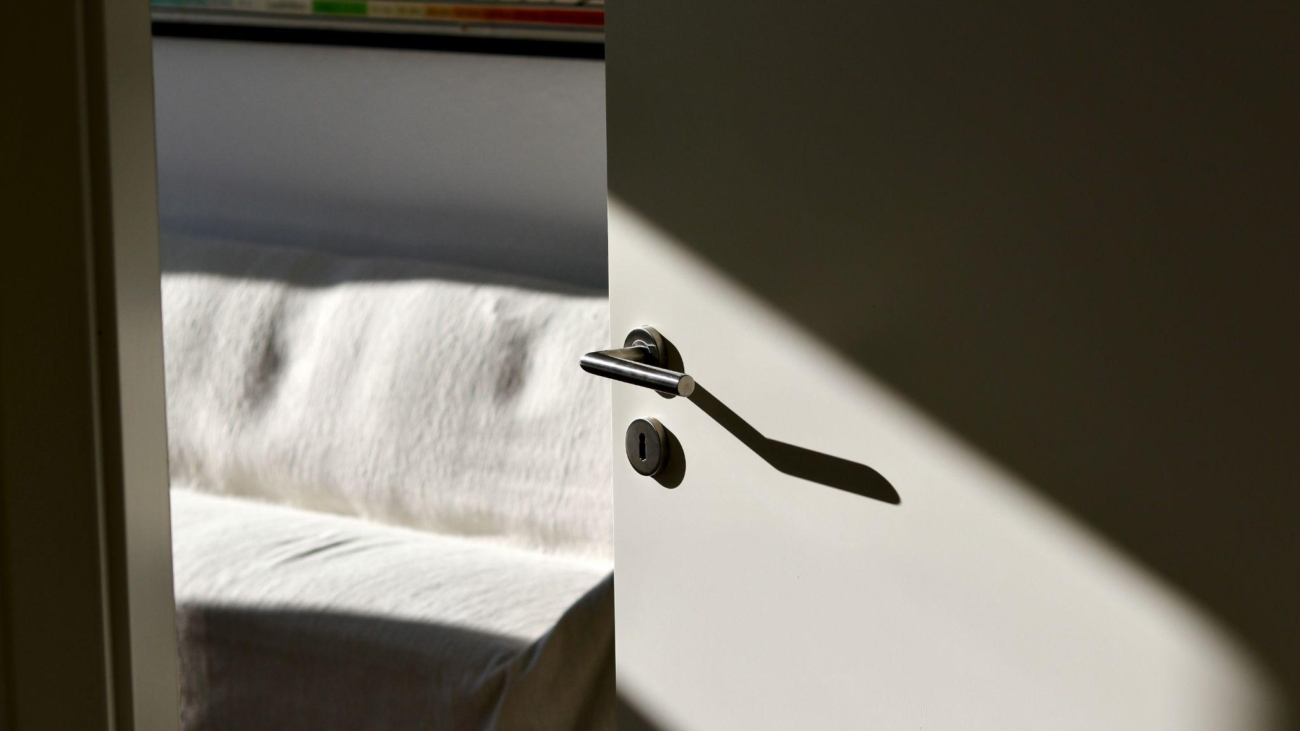
The internal doors in a home are among the most frequently encountered yet most overlooked design elements, present in every room and corridor but rarely given the same attention as flooring, furniture, or wall colour. Choosing internal doors that actively complement the architectural character and interior style of the property, rather than simply filling the doorways, produces a noticeably more considered and cohesive result that elevates the quality of the entire interior. Door specialists such as Direct Doors offer a comprehensive range of internal door styles that span traditional, transitional, and contemporary design, making it practical to find the right match for almost any property type or renovation brief.
Reading the Architectural Character of Your Property
The starting point for choosing internal doors is understanding the architectural period and character of the property itself. A Victorian terraced house with high ceilings, coving, and ornate skirting boards calls for doors that are sympathetic to that decorative language, such as four or six-panel doors with ogee moulding profiles. A 1960s or 1970s semi-detached with lower ceilings, simpler architectural details, and more functional spaces suits doors that are clean and unfussy, such as a simple two-panel or shaker style. A newly built home with contemporary proportions and minimal detailing provides more flexibility, as the architectural context does not impose strong stylistic requirements.
Traditional Internal Door Styles
Traditional internal door styles are defined by the use of multiple raised or recessed panels, decorative moulding profiles, and proportions derived from classical architectural precedent. Six-panel doors are the most recognisable traditional style, closely associated with Victorian and Edwardian properties and appropriate in any setting where the surrounding architecture uses period detail. Four-panel doors are slightly simpler and work across a wider period range. The moulding profile, whether ogee, ovolo, or bolection, further refines the period reference and should be chosen in relation to the skirting, architrave, and other joinery in the room.
Contemporary Internal Door Styles
Contemporary internal doors prioritise geometric simplicity, minimal applied detail, and proportions that create a sense of visual lightness. Flush doors with smooth painted surfaces provide the most minimal option and suit ultra-modern interiors where any applied detail would feel inappropriate. Shaker-style doors provide a slightly more characterful option that works across a very wide range of interior contexts. Glazed contemporary doors with simple frames and large glass panels are popular in open-plan spaces where light transmission between rooms is as important as the visual division between them.
Door Height and Its Visual Impact
The height of internal doors significantly influences the proportion and feel of a space. Standard UK internal doors at 1981 mm suit most properties with ceiling heights of 2300 mm to 2600 mm reasonably well. In rooms with ceiling heights above 2600mm, a taller door at 2100mm or 2200mm creates a more architecturally satisfying proportion and reinforces the sense of generous space that a high ceiling provides. Very tall doors at 2400mm and above are used as statement design elements in properties with exceptional ceiling heights or as deliberate architectural features in contemporary or luxury interiors.
Consistency and Cohesion Throughout the Home
One of the most effective ways to use internal doors as a design element is to maintain a consistent style and finish throughout the property so that moving from room to room does not create the visual disruption of encountering a different door design at each threshold. This consistency is particularly important on open-floor plans and open staircases where multiple doors may be visible from a single vantage point. Where an existing property has an inconsistent mix of door styles from different periods of renovation, replacing all the doors at once with a single coherent choice is one of the most impactful and cost-effective ways to improve the quality of the interior.
Finishing and Hardware Choices
The finish of an internal door and the hardware fitted to it are as important as the door style itself in determining the final quality of the result. A well-designed door in a poorly applied paint finish or with low-quality handles will not achieve the quality standard the door design itself warrants. Primed MDF doors should be undercoated and top-coated in a durable eggshell or satin finish before fitting, and the quality of the preparation directly affects the quality of the outcome. Handle styles in brushed steel, satin chrome, polished nickel, or matte black each create a different aesthetic register that should be chosen to complement both the door style and the broader interior palette.