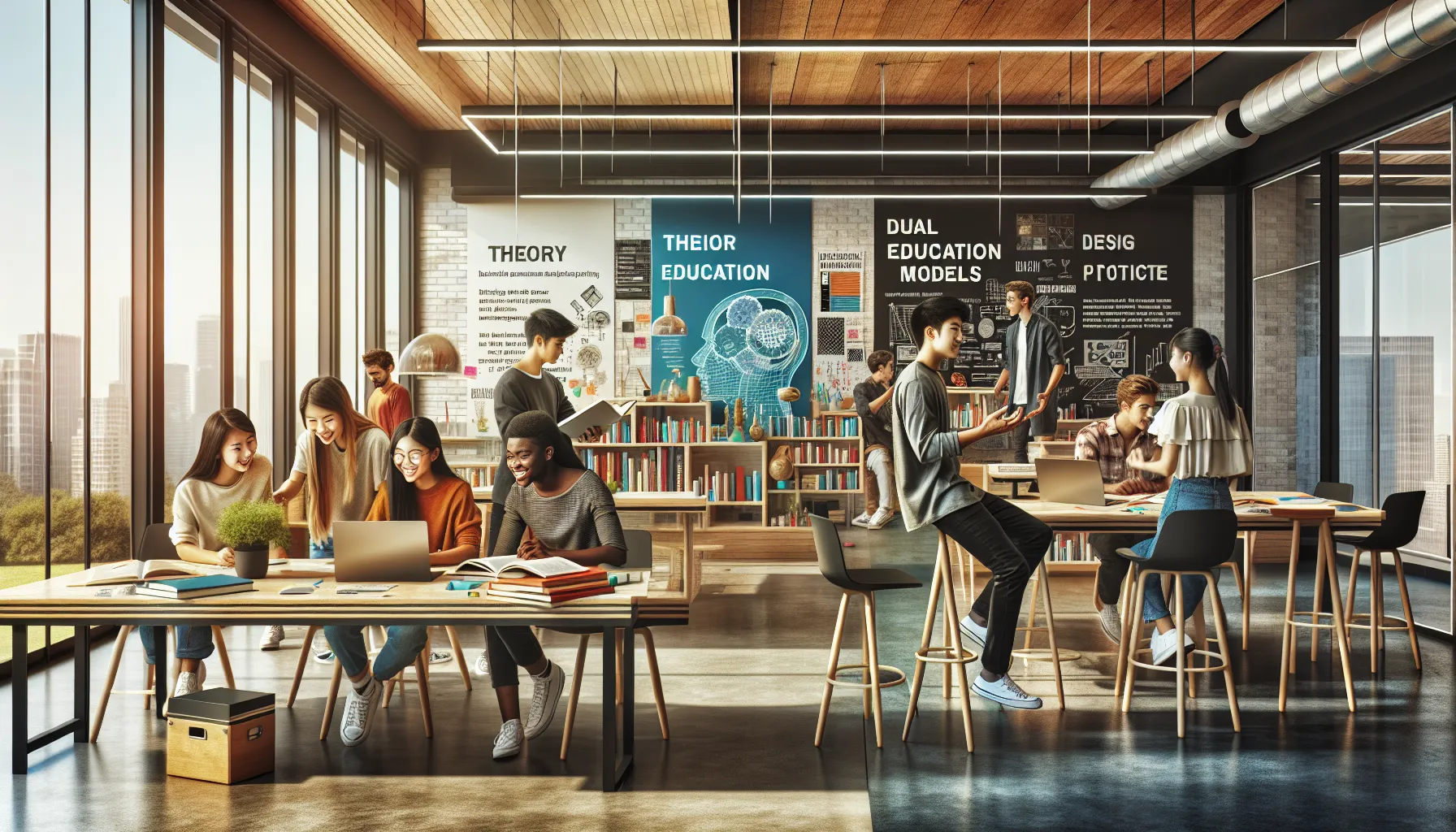
Dualeobl: The Future of Dual-Education Systems
Have you ever wondered how education could better prepare us for the real world? Enter dual-education systems, where theory meets practice, and we emerge job-ready. Both practical and competitive, this innovative approach is transforming learning landscapes. In this text, we’ll jump into the intriguing realm of dual education, explore its roots, the benefits it provides, the challenges it faces, and how we can effectively carry out it. Buckle up.
Dualeobl
The Origins of Dual-Education
Dualeobl isn’t just a flashy term: it represents a key evolution in how we approach learning. Emerging originally from Germany in the 19th century, dual education focused on blending classroom instruction with on-the-job training. The model’s success spread across Europe, reshaping educational frameworks and influencing employment. Today, we see its impact in various forms all over the globe.
Key Components of Dual-Education Systems
So, what makes dual-education tick? First, it’s about collaboration between educational institutions and businesses. This synergy ensures that curricula are aligned with industry needs, and real-world skills are emphasized. Second, practical experience through apprenticeships or internships is integral, allowing students to apply their knowledge in authentic settings. Finally, mentorship plays an essential role, experienced leaders guiding novices create a rich learning environment.
Advantages of Dual-Education
Enhanced Job Readiness
One of the standout benefits of dual education is enhanced job readiness. Students don’t just hit the books: they get hands-on experience. This real-world application significantly boosts confidence while enhancing their skill sets. When we emerge from our studies, we’re not just graduates: we’re seasoned professionals ready to take on workplace challenges.
Increased Employer Engagement
Employers love dual-education systems because they produce candidates who are carefully trained to meet their specific needs. When companies get involved in shaping curriculum, they ensure the next generation of employees possesses the necessary skills. This ongoing partnership creates a robust talent pipeline, benefiting everyone involved.
Challenges Facing Dual-Education Models
Balancing Theory and Practice
While dual education has its merits, it’s not without challenges. One major hurdle is achieving the right balance between theory and practice. If we focus too much on hands-on experiences at the expense of foundational knowledge, we might leave students underprepared for more complex tasks. Conversely, overemphasizing theory can distance students from practical applications, leading them feeling lost when they hit the job market.
Institutional Resistance
Resistance from educational institutions is another challenge. Traditional academic environments may view dual education as a threat to established models. This reluctance could stem from a fear of change or an unwillingness to adapt to new methods. To overcome this, we need to foster a culture that values innovation and actively seeks out the best educational practices.
Implementing Effective Dual-Education Policy
Collaboration Between Stakeholders
To make dual education truly effective, collaboration is essential. Involving educators, industry leaders, and policymakers in meaningful conversations leads to tailored curricula that meet real-world needs. When all stakeholders play a role in shaping these systems, we can create programs that genuinely prepare students for their futures.
Best Practices from Global Models
It’s also instructive to examine successful dual-education models from around the world. Countries like Germany and Switzerland have excelled in this arena through dedicated frameworks and rigorous standards. By learning from their successes and adapting their methods to suit our contexts, we can promote dual education in ways that are effective and sustainable.