
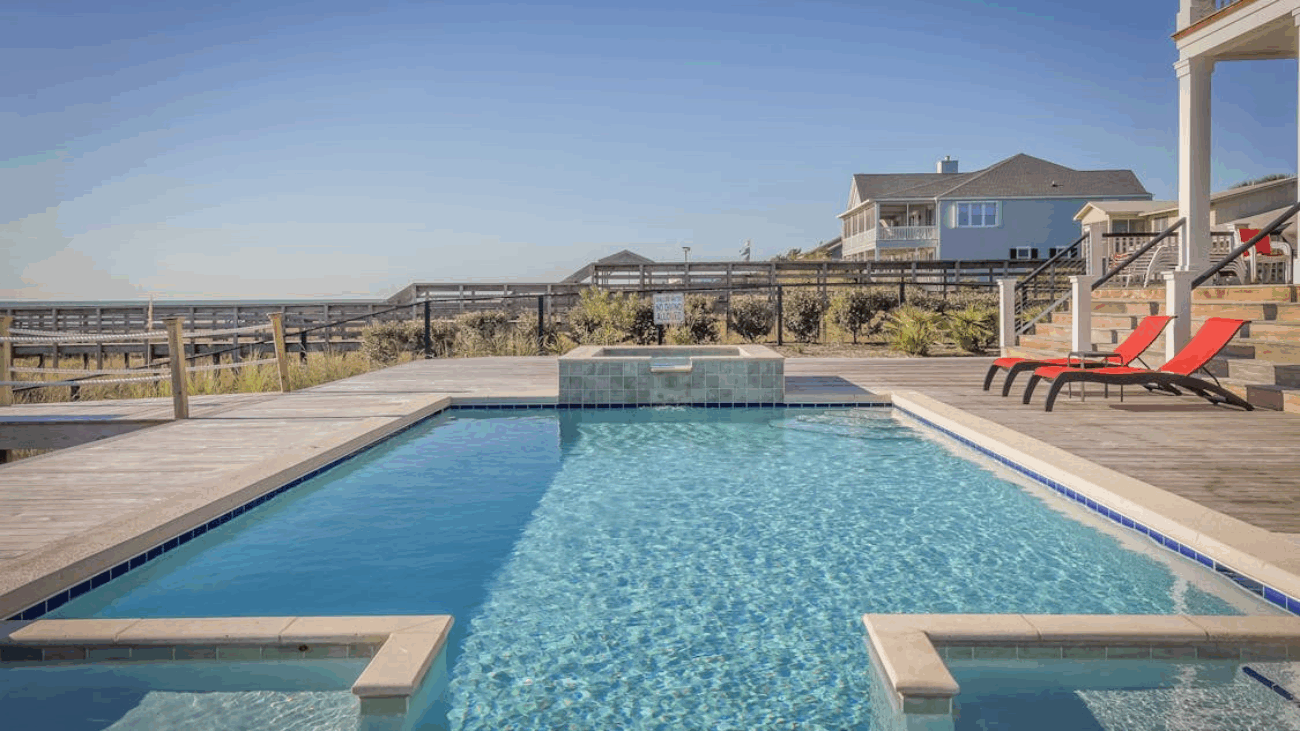
Thinking of ways to keep your family safe by the pool?
Thousands of families have pool accidents each year that can be avoided.
According to the CDC, over 4,500 people drowned each year in the United States between 2020 and 2022.
The good news?
Most of these deaths can be prevented.
The truth is…
Swimming pool services for your home should include much more than just regular cleaning and maintenance. Safety needs to be the number one priority for every pool owner. The right San Jose swimming pool experts will make sure safety equipment is properly installed from day one and maintained long term.
Check out these pool safety tips below for more information on:
- Why pool safety is more important than ever
- Best practices with effective safety barriers
- How to use pool alarm systems
- The value of safety covers that work
- Drain safety and entrapment prevention tips
- The value of a complete safety plan
- 81% of fatal child drownings occur in residential areas. This means the risk is greatest at home.
- Drowning is the leading cause of death for children 1-4 years old. And most of these incidents are silent and sudden.
- A child can drown in less than 1 minute without making a sound.
- A minimum height of 4 feet with no footholds for climbing
- Self-closing and self-latching gates that open outward
- Vertical slat spacing no wider than 4 inches apart
- Materials that are non-climbable and durable for outdoors
- Subsurface motion detectors. These monitor movement underwater and sound an alarm if activity is detected below the surface.
- Gate and door alarms. These alert homeowners when doors and gates leading to the pool area are opened. Includes sliding doors and windows leading to the pool.
- Wearable alarms. These attach to children and pets. The alarm is triggered if the wearer unexpectedly enters the water.
- Prevent body parts from creating a seal over the drain
- Spread suction force across a larger area
- Include emergency vacuum release systems
- Meet federal safety standards
- Manual safety covers. These require physical effort to put on and remove. They are less expensive. They need to be fully secured each time the pool is not in use.
- Automatic safety covers. These operate at the push of a button. They are more expensive. They are also much more likely to be used every single time. The price is often worth the added protection.
- Physical barriers: Four-sided isolation fencing with self-latching gates
- Detection systems: Multiple types of alarms covering different scenarios
- Access prevention: Safety covers and secured entry points
- Drain protection: Anti-entrapment covers meeting standards
- Emergency preparedness: CPR training and rescue equipment nearby
Why Pool Safety Is More Important Than Ever
If you own a home pool you need to be concerned about safety.
It is not an option. It is a requirement.
Here are some statistics from the CPSC that highlight why.
When it comes to home pools multiple layers of protection are needed to prevent accidents.
The Most Effective Safety Barriers
Fencing is the most studied drowning prevention method. Building a four-sided isolation fence can reduce drowning risk by up to 83%.
This is not theory. It is science that is proven to save lives.
But not all fences are created equal. A pool safety fence needs to have certain features to work properly:
Isolation fencing is the key. This means the fence completely surrounds the pool and separates it from the house. Property perimeter fencing that surrounds the yard is not enough because kids can still access the pool via the home.
This is a very important distinction.
Homeowners make the mistake of thinking the property fence is enough. It is not. The pool itself needs to be isolated by fencing to be truly protected.
Essential Pool Alarm Systems
Pool alarms are the second line of defense. They catch what fences miss.
The reality is…
Most drowning incidents occur outside of swim times when nobody is expecting children to be near the water. Alarms are designed to catch these times.
Pool alarms include several types that work best in combination:
Surface wave sensors. These detect ripples in the water and trigger an alert when the pool is entered. These are designed to ignore wind and small debris but sound when real entries occur.
Don’t rely on just one type of alarm. Combine multiple systems to create an effective safety net.
Drain Safety and Entrapment Prevention
Here is a safety tip that few people think about…
Pool drains are powerful and can trap swimmers underwater.
Pool drain entrapment is silent and invisible until it is too late.
The Virginia Graeme Baker Pool and Spa Safety Act now requires all public pools to have anti-entrapment drain covers. It is a good idea for residential pools to have these as well.
Anti-entrapment drain covers:
Anti-entrapment covers are relatively affordable compared to other pool safety equipment. But they help protect against a danger most people do not even realize is there.
Safety Covers That Actually Work
Pool covers are not the same as safety covers. Pool owners should not rely on standard pool covers as a safety device. They do not keep children out. They are easily slid under. The cover is now in place. The risk is not reduced.
A safety cover is designed to support weight and not collapse into the water when something is placed on it.
Safety covers must meet ASTM F1346 standards. These covers are designed to prevent entrapment and hold significant weight without collapsing.
The two most popular options include:
The best pool safety cover is the one you use every time. An expensive cover sitting in the garage is not doing anyone any good.
Creating a Complete Safety Plan
Safety equipment is only one part of the equation. Safety plans also need proper safety practices and supervision.
Barriers, alarms, and covers are no replacement for active adult supervision. These tools can add time and layers of protection. They are not substitutes for watching swimmers.
A complete pool safety plan includes:
Pool safety rules should be clearly understood by every member of the family. Rules should be communicated to all guests too. And there should always be a designated active water watcher during swim times.
Bringing It All Together
Pool safety does not happen with just one solution in place.
It is about multiple layers of protection working together. No one safety measure can be enough on its own.
Safety equipment is an investment that is worth the cost the moment it prevents even one close call. Plus, the peace of mind that comes from knowing your pool is properly protected is invaluable.
Home pool owners should start with fencing. Add alarms. Install a safety cover. Update drain covers. Then maintain everything regularly.
Swimming pool services for your home should always include safety assessments. Making safety the top priority means you and your family can all enjoy the pool without worry.
Evaluate your current setup. Identify gaps in safety measures. And fill them before the next swim season.
