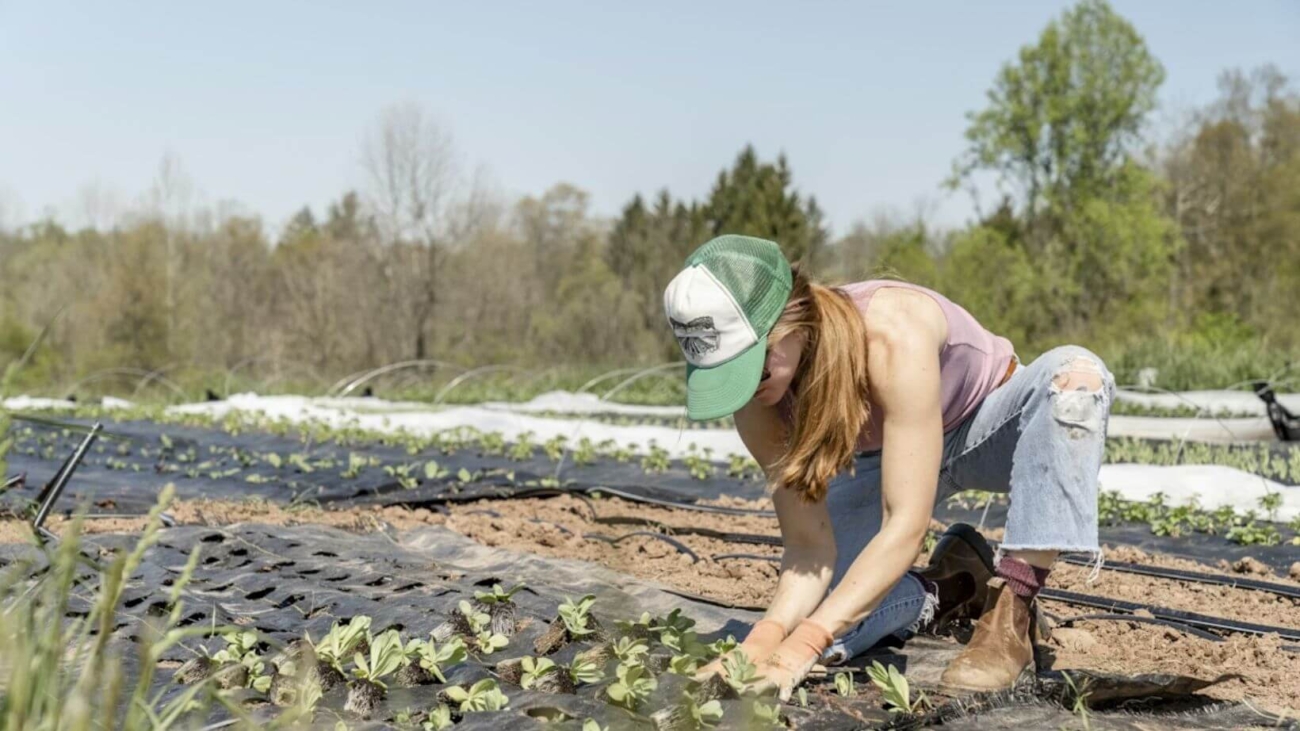
Dreaming of buying your own farm land but not sure how to get there financially?
Buying and farming land is one of the biggest investments the average person will ever make. It’s no small undertaking. Planning your finances carefully, sticking to a solid budget, and exercising plenty of patience are all necessary.
But without the right financial approach that dream farm of yours can quickly turn into an overwhelming money pit.
The numbers tell the story. Farmland values across the United States hit a new all-time high in 2025 at $4,350 per acre. That’s up 4.3% from the year prior according to the American Farm Bureau.
Think you can manage that?
If so, you’re not alone. Buying and developing farmland is 100% possible with a proper financial plan in place. Whether you’re a first-time land buyer or looking to expand your existing farming operation getting your finances in order is the first step.
You’ll also need the right equipment to work the land once you buy it. That means finding reliable agricultural tools in Hendersonville is an essential step for anyone serious about buying and farming land successfully.
What you need to know:
- Understanding Farmland Costs Today
- Financing Options For Land Buyers
- Creating A Realistic Farm Budget
- Development Costs You Can’t Ignore
- Building Long-Term Financial Success
Understanding Farmland Costs Today
Before you can even think about buying farmland… You need to understand the numbers.
Land prices differ significantly depending on location, soil quality, and what it can produce. Nationally, cropland is averaging around $5,830 per acre. Pastureland, or grazing land, is significantly cheaper at about $1,920 per acre.
But that’s not the whole story:
The purchase price is just the beginning. Closing costs, surveys, environmental assessments, and legal fees all need to be factored in as well. They add an additional 5-10% to the total purchase cost.
Property taxes are another budget buster if you aren’t careful. Taxes vary by state and county but can really eat away at your annual budget if you aren’t prepared.
Do your research in the area you’re targeting. Talk to local farmers. Visit your county assessor’s office. Get a clear picture of total ownership costs before you make any offers.
Financing Options For Land Buyers
Few people can afford to pay cash for farmland outright.
But they can certainly borrow the money. In fact, there are several options available that make buying and farming land attainable to more people than ever before.
USDA Farm Service Agency Loans
The USDA has direct farm ownership loans for beginning farmers and historically underserved populations. These loans come with very low interest rates and flexible terms.
Requirements?
Solid business plan, some farming experience, but the payoff is well worth the paperwork.
Commercial Agricultural Loans
Banks and credit unions offer agricultural loans specifically tailored for farmland purchases. Current interest rates hover between 5.2% and 6.8% depending on your credit score and down payment amount.
Something to keep in mind:
Farm debt levels are on the rise. According to the USDA, total farm debt will reach $542 billion in 2025. Of that, real estate debt makes up 68%.
This means lenders will be scrutinizing applications closely. A high credit score and a large down payment will go a long way towards securing a loan.
Seller Financing
Sellers can be the best source of financing when all is said and done.
Seller financing, or direct payment terms from the seller to you, can offer more flexible terms than traditional lenders.
It also works best when purchasing from retiring farmers who just want to sell to someone who will put the land to good use.
Creating A Realistic Farm Budget
This is where most new land buyers make a critical error…
They lowball their costs.
A realistic farm budget must consider much more than just the land payment. Equipment, infrastructure, operating expenses, and unforeseen costs must all be planned for.
Equipment Costs
Tractors, implements, irrigation systems, storage facilities… The list goes on. The cost of equipment is one of the biggest expenses for farmers.
Used equipment is cheaper but may require more maintenance and repairs down the road. Find the balance that works for your budget and the size of operation you’re pursuing.
Operating Expenses
Seed, fertilizer, fuel, maintenance, repairs, labor, insurance… The ongoing costs never end. Your farm budget must have room for these expenses month in and month out for years to come.
Rule of thumb?
Have at least a year’s worth of operating expenses in reserve before you start. This reserve fund will protect you from bad weather, market dips, or equipment failures.
Emergency Fund
Things break, weather happens, markets crash.
A separate emergency fund above and beyond your operating budget is critical to long-term success. Three to six months of total expenses is what most financial advisors recommend as a bare minimum.
Development Costs You Can’t Ignore
Buying raw farmland is one thing.
Making it productive is another.
Development costs are frequently equal to or even exceed the purchase price depending on the land’s existing condition. Budget for the following…
Land Preparation
Brush clearing, rock removal, grading, drainage improvement, and other preparation costs. The prices vary significantly depending on your land’s current state.
Get professional estimates before purchasing. Knowing what development will cost up front will help you negotiate a fair purchase price.
Infrastructure & Soil
Fencing, roads, water systems, and outbuildings all take up significant up-front cash. Prioritize the infrastructure that most directly affects production first.
Bad soil = bad yields. Your soil may need amendments or other improvement before it produces at optimal capacity.
Building Long-Term Financial Success
Purchasing farmland is not a get-rich-quick scheme.
It is an investment for the long term.
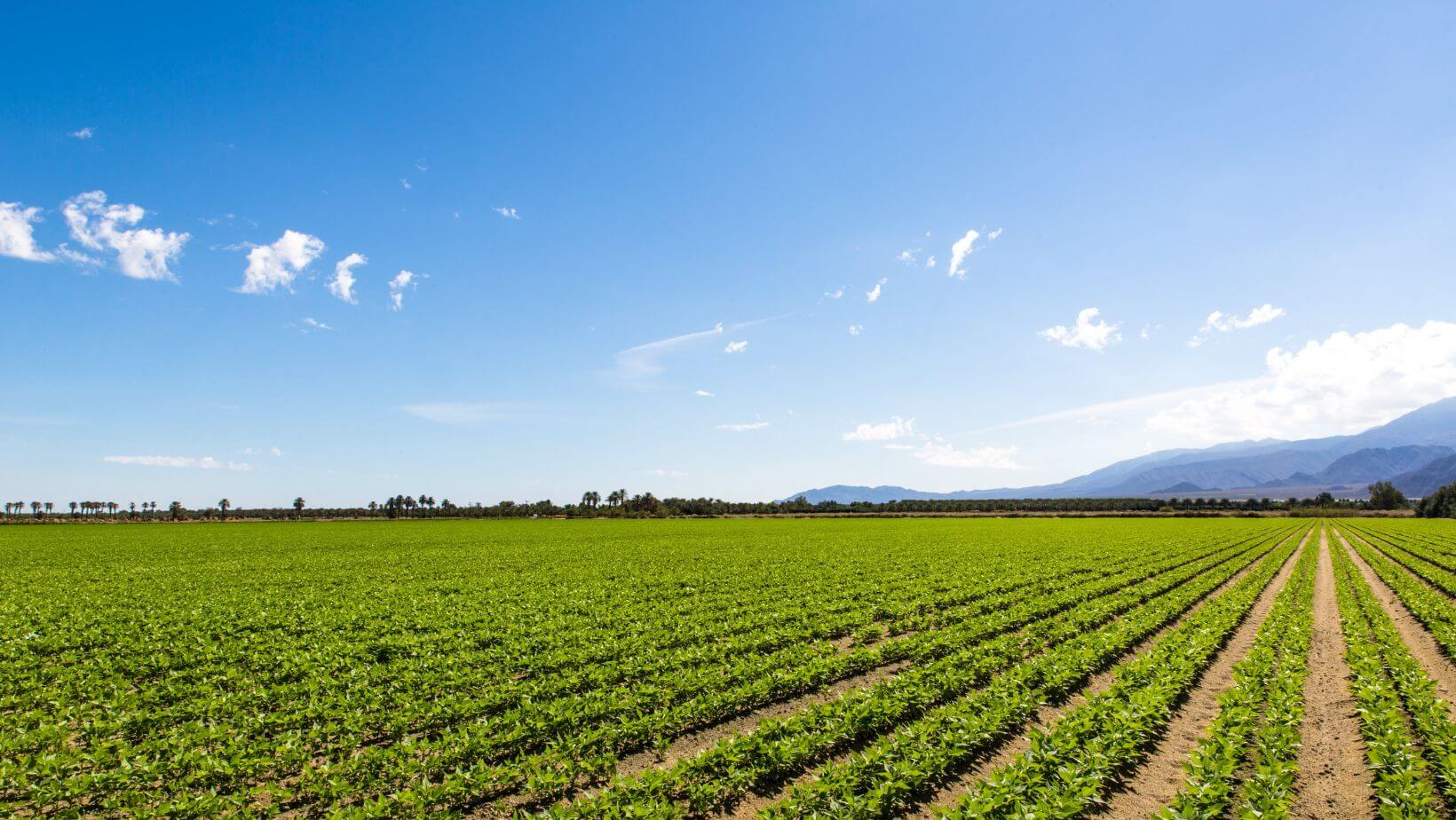
The most successful farm owners plan for decades, not months. They build equity slowly and keep debt manageable.
Keep Debt Low
Debt is one of the leading causes of farm failures. High debt levels kill farms. Period.
Don’t over-extend yourself trying to grow too quickly. Expand your operation at a pace that your income can comfortably support.
Diversify And Reinvest
Smart farmers don’t put all of their eggs in one basket. Diversify to protect against market shifts.
When you make a profit, reinvest that money strategically. First priority is always paying down debt. Second is improving infrastructure and equipment.
Wrapping It All Up
Financial planning for buying and developing farmland isn’t complicated. It just takes discipline and realistic expectations.
The steps are simple…
- Do your research and understand land costs in your target area
- Explore all of the financing options available to you
- Create a detailed budget that includes development costs
- Build up cash reserves for emergencies and operating expenses
- Plan for the long term and keep debt manageable
Buying land and farming it successfully is all about preparation. Know what you’re getting into financially before you sign on the dotted line.
The numbers may look scary. Farmland prices are high. Operating costs only continue to increase.
But here’s the truth:
Farming remains one of the most rewarding investments you can make with proper planning.
Take the time to get your finances in order. Do your research. Talk to experienced farmers and financial advisors.
Then go out and find that perfect piece of land.