
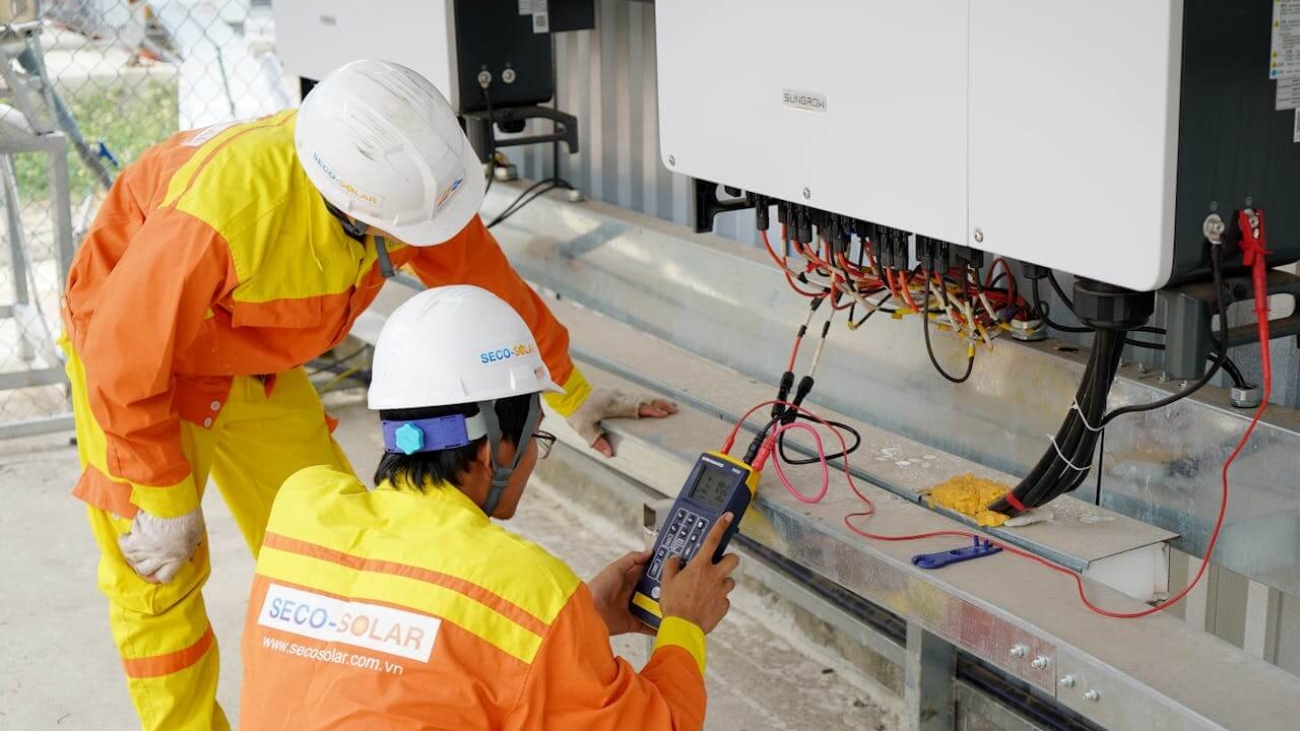
In electrical construction, estimating accuracy directly impacts profitability, scheduling, and execution. Unlike many other trades, electrical scopes involve thousands of individual components, conduit runs, circuiting details, and specification-driven requirements. A single missed item can quickly turn a profitable bid into a loss. This is why electrical takeoffs have become one of the most critical and scrutinized stages of preconstruction, and why more contractors are relying on electrical takeoff software to stay competitive.
As projects grow more complex and deadlines tighten, traditional manual takeoff methods struggle to keep up. Digital tools are now reshaping how electrical estimators work, bringing speed, consistency, and confidence to the bidding process.
What Electrical Takeoffs Really Involve
Electrical takeoffs go far beyond counting fixtures on a plan. Estimators must identify, measure, and quantify a wide range of components, including:
- Lighting fixtures and controls
- Power devices, panels, and switchgear
- Conduit, raceways, and fittings
- Wiring, cabling, and grounding systems
- Fire alarm, data, and low-voltage systems
Each item must align precisely with drawings, schedules, and specifications. Any disconnect between plans and quantities can lead to pricing errors, coordination issues, or change orders later in the project lifecycle.
Why Manual Electrical Takeoffs Fall Short
Manual takeoffs rely heavily on experience, visual interpretation, and repetitive measurement. While skilled estimators can produce solid results, the process is time-consuming and highly vulnerable to error, especially on large or fast-tracked projects.
Common challenges with manual workflows include:
- Missed devices hidden across multiple drawings
- Inconsistent assumptions between estimators
- Difficulty managing frequent plan revisions
- Limited ability to audit or validate quantities
As bid volumes increase, these limitations make manual electrical takeoffs increasingly unsustainable.
The Role of Electrical Takeoff Software in Modern Estimating
Electrical takeoff software is designed to automate and standardize the estimating process. Instead of manually tracing conduit or counting symbols, estimators work within a digital environment that reads plans, applies rules, and calculates quantities with precision.
These platforms allow estimators to perform electrical takeoffs faster while maintaining consistency across projects. By reducing reliance on manual calculations, teams can focus on scope review, risk assessment, and pricing strategy rather than repetitive measurement tasks.
Key Features That Improve Electrical Takeoff Accuracy
High-performing electrical takeoff software typically includes the following capabilities:
Automated Symbol Recognition
Software identifies common electrical symbols such as outlets, switches, fixtures, and panels, reducing the risk of missed items.
Conduit and Wire Measurement Tools
Digital tracing tools calculate conduit lengths, wire sizes, and routing paths accurately across complex floor plans.
Assembly-Based Estimating
Prebuilt assemblies link devices with labor, material, and accessories, ensuring nothing is overlooked.
Revision Comparison
When drawings change, estimators can quickly identify added, removed, or modified elements without redoing the entire takeoff.
Reporting and Export Options
Clean, structured reports make it easy to share quantities with project managers, suppliers, and field teams.
How Software Improves Speed Without Sacrificing Accuracy
Speed is often mistaken for rushed work, but modern tools prove otherwise. Electrical takeoff software accelerates the estimating process by eliminating redundant tasks while preserving accuracy.
Estimators can complete detailed takeoffs in significantly less time, allowing them to bid more projects without increasing headcount. Faster turnaround also enables teams to respond quickly to addenda and last-minute design changes, a common challenge in electrical bidding.
Reducing Risk and Improving Bid Confidence
Electrical scopes are notorious for scope gaps and coordination risks. Missing even minor components like fittings, supports, or terminations can have costly consequences during construction.
By standardizing electrical takeoffs, software reduces variability between bids and estimators. Quantities become easier to review, validate, and defend, increasing confidence during both bid submission and post-award execution.
This level of clarity also helps reduce disputes with general contractors and owners, as quantities are clearly documented and traceable to the drawings.
Why Electrical Contractors Are Adopting Digital Takeoffs
Across commercial, industrial, and infrastructure projects, electrical contractors are rapidly moving away from manual methods. The reasons are both practical and strategic:
- Increased bid capacity without added staffing
- Improved accuracy on complex, multi-system projects
- Easier training for junior estimators
- Better historical data for future estimates
As competition intensifies, these advantages often determine which contractors consistently win profitable work.
Choosing the Right Electrical Takeoff Software
Not all tools deliver the same value. When evaluating electrical takeoff software, contractors should consider:
- Ease of use and learning curve
- Ability to handle large, multi-discipline drawings
- Flexibility for different project types
- Clear quantity breakdowns and reporting
- Compatibility with existing estimating workflows
The best solution integrates smoothly into daily operations and supports growth rather than creating new bottlenecks.
The Future of Electrical Takeoffs
The future of electrical estimating is moving beyond basic automation toward intelligent analysis. Advanced platforms are beginning to compare current takeoffs against historical data, flag unusual quantities, and support more informed decision-making before bids are finalized.
As technology continues to evolve, electrical takeoffs will become faster, more accurate, and more predictive. Estimators will spend less time counting and more time evaluating risk, optimizing pricing, and strengthening bid strategy.
Final Thoughts
Accurate electrical takeoffs are essential for profitable electrical construction. As project complexity increases and margins tighten, relying solely on manual processes exposes contractors to unnecessary risk.
By adopting modern electrical takeoff software, estimating teams gain the speed, accuracy, and consistency needed to compete effectively. For electrical contractors focused on growth and long-term success, digital takeoff tools are no longer optional, they are a fundamental part of winning work and executing with confidence.