
Building a new residential or commercial project in Florida presents a unique set of geographic and regulatory hurdles. Between high water tables, intense hurricane seasons, and strict environmental laws, moving from an empty lot to a finished building takes careful planning.
You cannot simply clear a plot of land and start pouring concrete. You need a comprehensive strategy that addresses how water moves, how the land sits, and what local agencies require before you break ground. This is exactly where engineering teams step in to turn ambitious architectural visions into structurally sound realities.
Whether you are planning a massive mixed-use development or a small residential neighborhood, understanding how engineers tackle drainage, permitting, and site design will help you keep your project on schedule and within budget. Let us explore the specific ways these professionals guide construction projects across the Sunshine State.
Why Drainage Planning Matters in Florida
Florida receives an average of 50 to 60 inches of rain every year. During the summer storm season, a single afternoon downpour can dump several inches of water on your property. If your site lacks a proper drainage system, that water has nowhere to go.
Engineers carefully evaluate the soil composition and natural topography of your site to design effective drainage infrastructure. They calculate the volume of runoff generated by hard surfaces like roofs, parking lots, and sidewalks. By understanding these numbers, they can design systems that safely direct water away from building foundations and public roadways.
Without proper drainage planning, developments face severe risks. Standing water can erode foundations, destroy landscaping, and flood interior spaces. By prioritizing drainage from day one, engineers protect your investment from the state’s unpredictable and often harsh weather patterns.
The Role of Engineers in Site Development
Site development bridges the gap between raw land and a construction-ready property. This phase requires a deep understanding of civil engineering, utility placement, and spatial planning.
When you hire land development engineers in Florida, they look at the big picture. They determine where to place water lines, sewer systems, and electrical grids so they function efficiently without interfering with the structural elements of your project. They also plan out roadways, sidewalks, and parking areas to ensure safe and logical traffic flow.
Every decision made during this phase impacts the long-term usability of the property. Engineers optimize the layout to maximize usable space while still leaving enough room for essential infrastructure. This precise spatial planning prevents costly rework and keeps the construction team moving forward without unnecessary delays.
Navigating Florida Permitting Requirements
Getting permission to build in Florida often feels like navigating a maze. You must satisfy requirements from city zoning departments, county boards, and state environmental agencies. Missing a single form or misinterpreting a local zoning regulation can stall your project for months.
Engineers take the guesswork out of the permitting process. They prepare the detailed blueprints, grading plans, and environmental impact reports that review boards demand. Because they understand the specific criteria local agencies look for, they can submit accurate and complete application packages the first time around.
These professionals also act as your advocate during review meetings. If a city planner questions a specific design choice, your engineering team can provide the technical data needed to justify the approach. This expertise helps you secure construction permits faster, keeping your holding costs down and your timeline intact.
How Stormwater Management Affects Construction
Stormwater management goes hand-in-hand with drainage, but it focuses specifically on treating and storing rainwater before it leaves your property. Florida law mandates that new developments cannot simply push their runoff onto neighboring properties or into public waterways without treatment.
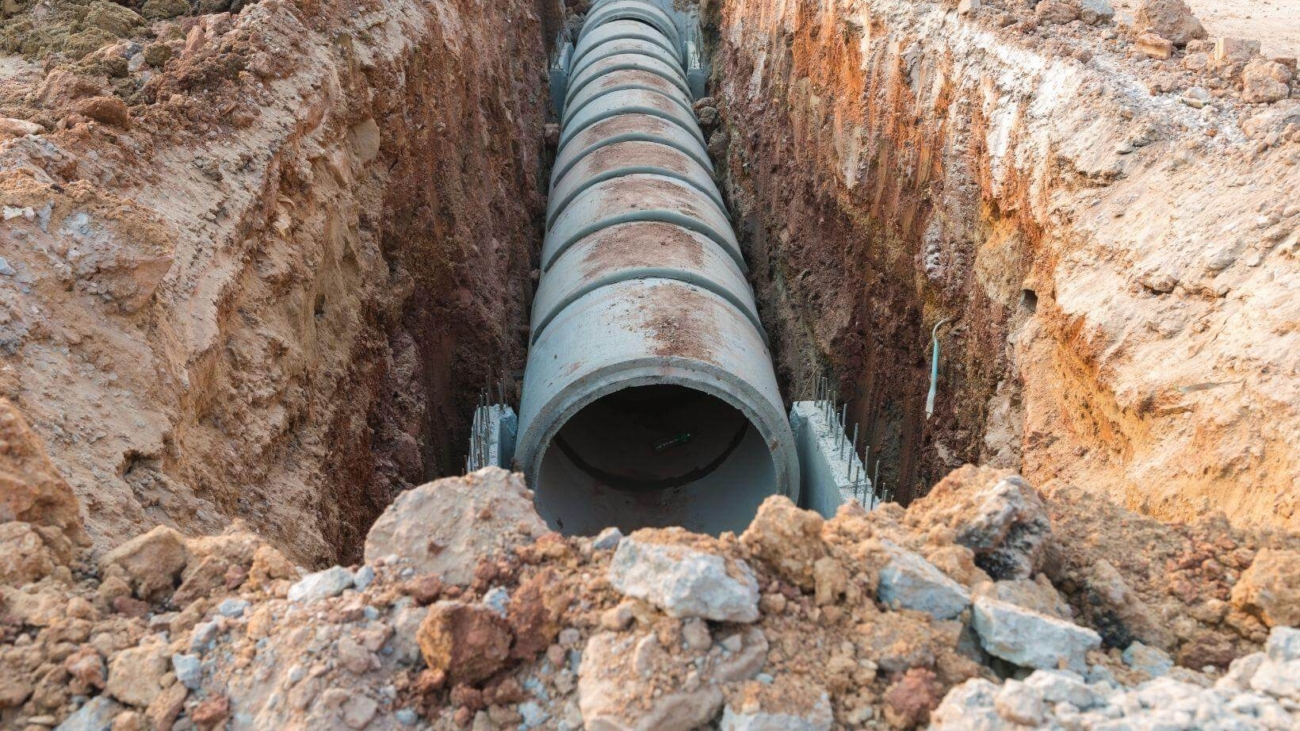
To handle this, land development engineers in Florida design complex stormwater systems. These often include retention ponds, underground vaults, and swales. A retention pond does more than just hold water; it allows sediment and pollutants from parking lots to settle before the water slowly percolates back into the aquifer.
Designing these systems requires precise calculations. If a retention pond is too small, it will overflow during a hurricane. If it is too large, you lose valuable buildable land. Engineers strike the perfect balance, ensuring your site remains dry and compliant without wasting a single square foot of space.
Why Grading and Elevation Planning Are Critical
Florida is notoriously flat, which makes moving water incredibly difficult. Additionally, much of the state sits in designated flood zones. To protect buildings from storm surges and heavy rainfall, the land must be shaped and elevated before construction begins.
Engineers develop detailed grading plans that dictate exactly how earthworks teams should move soil around the site. They determine how much fill dirt you need to import to raise the building pad above the base flood elevation. They also slope the surrounding land to ensure gravity pulls water away from the structure and toward the designated stormwater systems.
Proper land grading requires precision. Even a miscalculation of a few inches can trap water against a building or push runoff into the street. Using advanced land surveying tools and 3D modeling, engineers map out the exact contours of the site to guarantee a safe and stable foundation.
Environmental Compliance and Local Regulations
Florida boasts an incredibly diverse and fragile ecosystem. The state heavily protects its wetlands, natural springs, and coastal habitats. If your site development threatens these areas, you will face massive fines and immediate work stoppages.
Engineering teams ensure your project aligns with all environmental regulations. Before dirt ever moves, they conduct thorough site assessments to identify protected wetlands, endangered species habitats, and sensitive soil types. If your project impacts these areas, they design mitigation strategies to offset the damage and satisfy state environmental agencies.
Experienced land development engineers in Florida know how to balance aggressive commercial development with responsible environmental stewardship. They design infrastructure that minimizes ecological disruption, ensuring you remain fully compliant with organizations like the Florida Department of Environmental Protection (FDEP) and the local water management districts.
Benefits of Working With Experienced Engineering Teams
Attempting to manage site design, utilities, and regulatory approvals without expert help is a recipe for disaster. The upfront cost of hiring a skilled engineering firm pays for itself by preventing catastrophic mistakes during the construction phase.
When you bring an engineering team on board early, you gain access to comprehensive construction planning. They identify potential issues—like a buried utility line or a hidden sinkhole risk—long before you start pouring concrete. This proactive approach saves you from expensive mid-project redesigns.
Furthermore, these experts coordinate seamlessly with your architects, contractors, and landscapers. They ensure everyone works from the same set of accurate data. This collaborative environment keeps the project moving smoothly from the initial land survey all the way to the final building inspection.
Conclusion
Developing property in Florida comes with significant geographical and regulatory challenges. From navigating complex zoning regulations to managing heavy seasonal rainfall, you need a technically sound strategy to succeed.
By handling everything from stormwater systems and land grading to construction permits, engineers provide the foundation for a successful project. They ensure your site is safe, compliant, and optimized for long-term use.
If you want to keep your next commercial or residential project on schedule, partner with experienced land development engineers in Florida early in the process. Their technical expertise will help you avoid costly delays, protect the local environment, and build a structure that stands strong against the elements for decades to come.