
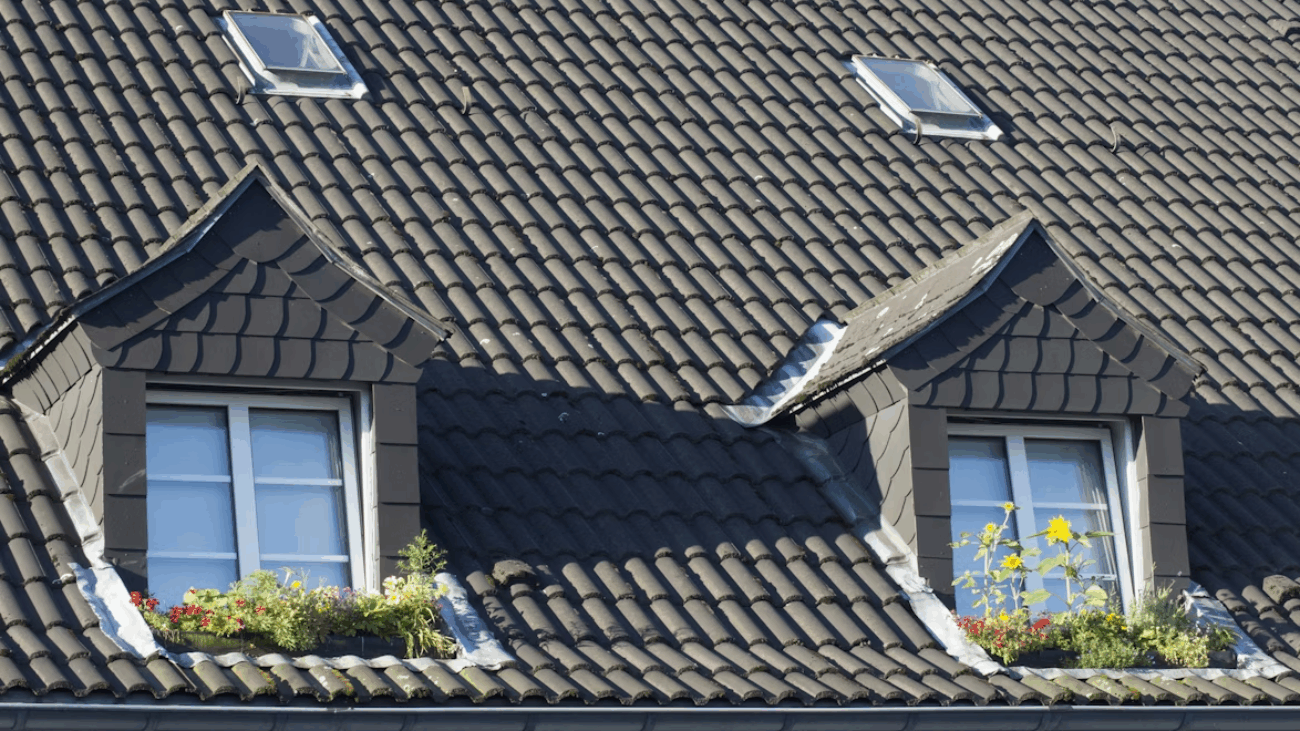
A stronger roof is more than curb appeal. It is a system that keeps wind, water, and time from finding weak points in your home. With a few smart upgrades, you can turn the roof into a structural asset that protects everything below it.
Why Roof Upgrades Matter To Structure
When wind and rain hit, the roof is the first barrier. If it holds, you avoid pressure changes, blown-off materials, and the leaks that weaken framing. Upgrades that tighten connections and block water do more than stop drips, they help the whole house ride out bad weather.
Independent building research groups have found a link between roof integrity and damage reduction. Their updated guidance calls for stronger detailing at the deck and vents to keep wind-driven rain outside. Treat that as your north star when planning any upgrade.
Plan Your Upgrade Path
Start with an inspection that documents the deck, fasteners, underlayment, edges, and vents. Ask for photos and simple measurements so you can compare options trade by trade. The next step is choosing the right team for the scope, whether that’s Portland roofing pros or someone who works in your microclimate every week. Local experience with wind and rain patterns pays off.
Close this phase by mapping the order of work so each improvement supports the next. Prioritize changes that harden the structure before you think about finishes.
Fasteners, sealed seams, and shored-up edges often deliver the biggest gains for the least money. Once the bones are right, high-quality coverings and trim will perform better and last longer.
Lock Down The Roof Deck
Your deck is the backbone of the system. Refastening sheathing with the right nails and pattern creates a stiffer surface that resists uplift and keeps shingles or panels seated. A well-attached deck helps underlayment and flashings stay put when gusts get messy.
A widely used resilience program spells out exactly what that looks like. Its checklist calls for 8d ring-shank nails driven in a tight pattern across the deck, with special attention to edges where wind loads spike. Ask crews to mark nail spacing as they go so the pattern is easy to verify.
Deck-Fastening
- Use 8d ring-shank nails, not smooth shank
- Follow the specified on-center spacing at edges and in the field
- Re-nail any loose sheathing and replace damaged panels
- Photograph each section before the underlayment goes down
Keep Wind-Driven Water Out
Wind does not just lift materials- it pushes rain sideways. When that water finds a path through vents or seams, it soaks insulation and framing long after the storm passes.
Your goal is to give water no easy entry points and a clean exit path into gutters. Recent practice updates raise the bar on vents and openings for exactly this reason.
Roof-mounted vents should meet proven tests for blocking wind-driven rain, and seams in the deck should be sealed before underlayment. Those two moves cut the odds of attic wetting that leads to rot and mold.
Strengthen Edges, Valleys, And Penetrations
Edges and transitions are where small mistakes turn into big problems. Install a drip edge that kicks water clear of the fascia, then lap underlayment correctly so runoff sheds onto the metal, not behind it. Valleys need continuous metal pans or woven coverings that match your climate and roof style.
Give penetrations their own checklist. Chimneys should have step flashing and counterflashing that do not rely on caulk alone.
Skylight curbs need sound membranes up the sides and a clear path for water to flow away. If you are unsure, ask for a mockup so you can see how layers stack before the crew scales up.
Budget, Phasing, And Proof
You do not have to do everything at once. Phase high-impact work first, like deck fastening and seam sealing, then follow with vents, edges, and finally the new roof covering if yours is nearing the end. This order gives you immediate protection and a cleaner base for the next project.
Document as you go. Keep photos of nail patterns, sealed seams, and vent models along with dates and installer names. If a storm rolls through, you will have proof of what was done and how, which helps with warranty support and future planning.
Upgrades that harden the roof today protect the structure for years. Tighten the deck, block water at the seams and vents, and clean up the edges so everything sheds the way it should. With a steady plan and the right details, your home can face rough weather with confidence.
