
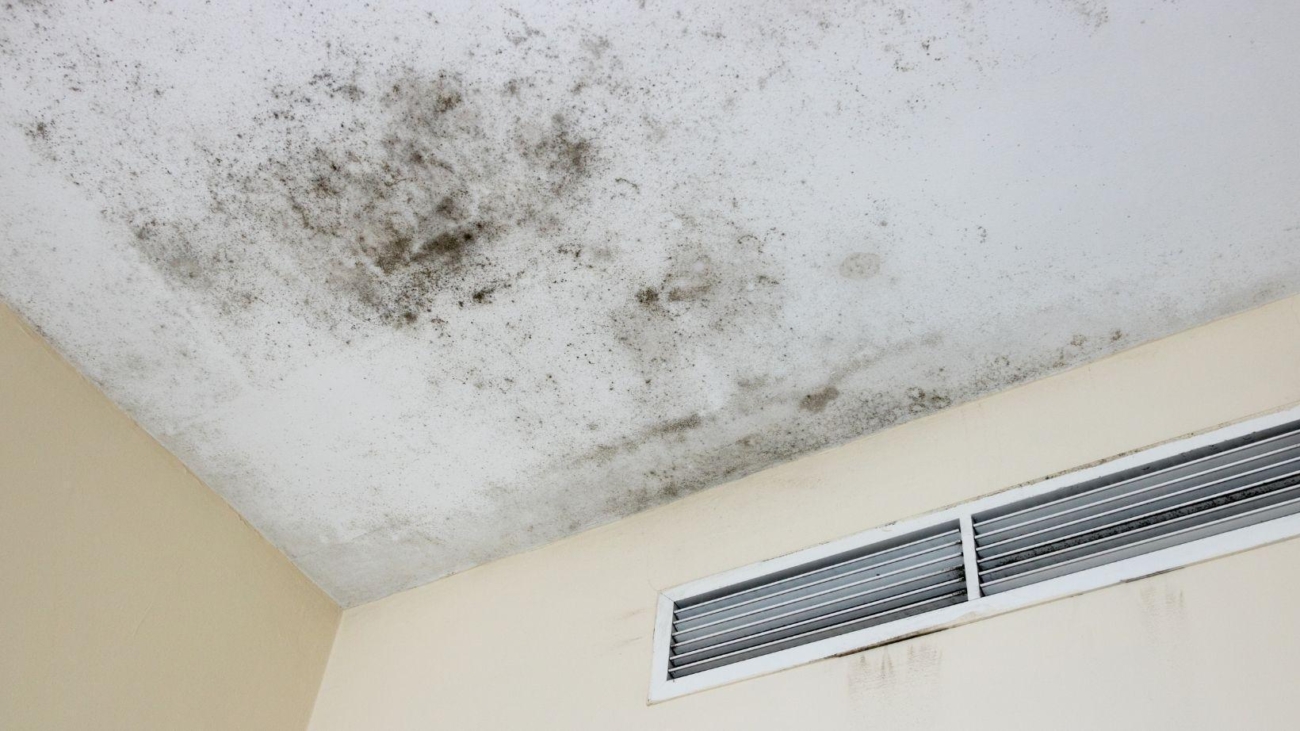
Look up in the bathroom now. When you see dark specks creeping out along the corners. It takes more than a scrub and a fresh coating of paint to know how to remove black mold from bathroom ceiling surfaces in a proper way. Get it wrong, and the patches are refunded within a month. Get it wrong, and they will remain for years. This guide explains how to identify black mold, remove it safely, avoid common mistakes that can waste hours of your time, and know when it’s best to call black mold removal services in Singapore for help.
First, Is It Really Black Mold?
This is what most cleaning guides leave out. The black spot on your bathroom ceiling is not very likely to be the notorious toxic black mold.
Investigations of the indoor fungal growth have consistently found Cladosporium, Aspergillus, and Penicillium on the ceiling of bathrooms. The species, which people refer to when they say black mold, is Stachybotrys chartarum, which requires a material high in cellulose that remains moist for days or weeks. A skim-coated concrete slab hardly provides that. Plain mildew also takes a good portion of cases.
How to tell them apart:
Ordinary ceiling mold – olive, dark green, grey, or brown; powdery, or velvety; appears following hot showers.
Mildew – smooth, dusty, usually grey or white; it lies on the surface and cleanses itself readily.
True Stachybotrys – near-black and slimy when active; strong, lingering odor of mustiness; only where there has been a real leakage of wet material.
Does the difference alter your cleaning procedure? Not much. Both need the same moisture fix. It changes your urgency, though. Slimy black growth points to an active leak, not shower condensation.
Why Do Bathroom Ceilings Turn Black in Singapore?
Three forces work together here, and most homes suffer from at least two.
Shower steam with nowhere to escape
Within minutes, the shower steam takes the humidity in the bathroom to the edge of saturation. The humidity of outdoor air is already 70-90 percent in our tropical climate, and cracking a window achieves less than you would hope during the rainy season
The onset of fungal growth occurs when the indoor relative humidity exceeds about 60 per cent. The coolest surface in the room is your ceiling, hence the first point where condensation would settle.
Ventilation that stopped working
There are numerous examples of HDB bathroom molds, and the root cause of those can be identified as the following habit: the exhaust fan is turned off as soon as the shower is over. It takes another 20-30 minutes to clear the moisture load in that fan.
Older fans also lose suction quietly. Place a tissue over the grille and check whether it sticks or not – in case it does not stick, it means your bathroom ventilation has broken, and no amount of scrubbing will help to correct the problem. Condo bathroom mold often involves fully internal bathrooms and is typically found in complete internal bathrooms that have no window whatsoever, and where mechanical extraction is the only line of defence.
A leak from the unit above
This prospect alters all things. When the ceiling remains wet in between showers, then it may be inter-floor leaking and not steam. A defective waterproofing membrane on the ground floor allows water to pass through the slab of concrete and appear as a stain on the floor.
The floor slab of HDB is considered to be a collective obligation between the upper and lower flat owners. In the Goodwill Repair Assistance program, the HDB contributes half the cost of repairs, with the two owners contributing the other half of the amount; each of them usually pays about a quarter. You should report this to your HDB Branch Office prior to incurring expenditure on cosmetic ceiling mold removal. It is a waste of time and money to paint over an active leak.
Safety Steps Before You Touch Anything
Shaking a colony causes mold spores to be airborne. Allow yourself a few minutes to get ready.
- Use an N95 respirator instead of a surgical mask.
- Use gloves and sealed eye protection, since ceiling work drips downward
- Turn the fan on, open the door, and keep children and pets away.
- Do not dry-brush, sand, or vacuum the growth using a household vacuum.
- Clear out towels, toothbrushes, and toiletries first.
One rule outranks all the others. Do not use bleach with vinegar or ammonia-based cleaners. Those combinations emit chlorine or chloramine gas, and a bathroom is precisely too small a space to allow such to occur.
How to Remove Black Mold from Bathroom Ceilings, Step by Step
Step 1: Stop the water first
Fix the crack, re-seal the shower screen, change the faulty fan, or activate the HDB inspection. Skip this, and everything below becomes temporary.
Step 2: Test a small patch
The paint on the ceiling is hard to flake. Test your preferred cleaner on a corner to cover the entire surface.
Step 3: Apply the right product
Full-strength white vinegar is able to penetrate porous surfaces and reach out to roots that surface cleaners leave behind. Spray it on, leave it for an hour, then wipe away.
In case of heavy growth, apply an appropriate anti-fungal treatment or fungicidal wash designed for plaster and masonry. These contain an active biocide that does not evaporate but sticks to the surface.
Household bleach can be used on tiles, glass, and glazed finishes. On skim-coated ceilings, it disappoints, because the water content soaks in while the chlorine stays on top.
Step 4: Wipe, rinse, and dry completely
Use disposable cloths and bag them straight away. Dry the ceiling thoroughly with a fan or dehumidifier. The remaining moisture reinitiates the entire process in a few days.
Step 5: Repaint the right way
When completely dry, apply a fungicidal additive in a mold-resistant ceiling paint. Never paint over active growth – the film traps moisture underneath, and the stain bleeds back through. Crumbling skim coat needs scraping back to a sound surface first to a sound surface.
Keeping It From Coming Back
The prevention of removal will buy you about 6 weeks. Instead, develop the following habits.
- Run the exhaust fan for 20 to 30 minutes after every shower.
- Wipe down tiles and the shower door with a squeegee.
- Keep the door of the bathroom open when no one is in the room.
- Wipe the ceiling dry weekly if droplets keep forming.
- Fix and reseal leaking silicone and tap drippers.
- Keep a hygrometer in the room and aim for 45% to 60% relative humidity.
- Use a dehumidifier in windowless bathrooms.
- Repaint the fungicidal ceiling paint after a few years.
When to Bring In Professionals
DIY handles small surface patches well. Most call in mold removal services in Singapore when they see any of the following:
- Growth over an area greater than approximately one square meter.
- Growing back within weeks of a good clean.
- A stained ceiling that does not dry after a shower, or stained water.
- Slimy black growth with a strong musty smell.
- Squeezing paint, skim coat, or crumbly plaster.
- Asthmatic and allergic rhinitis patients and those with low immunity in the household.
Mold remediation services in Singapore include the work area, operating on HEPA, treating the material instead of the surface, and checking the results afterwards. Effective bathroom mold removal companies in Singapore, such as Mold Free, use meters and thermal imaging to trace moisture before assessing the ceiling. It is that diagnostic step that can make the difference between a long-term mold remediation bathroom result and a costly repaint. The recurring Singapore bathroom mold almost always contains a plumbing or waterproofing cause behind it.
Frequently Asked Questions About Black Mold
Is it dangerous to have black mold on my bathroom ceiling?
Cladosporium or Aspergillus, rather than toxic Stachybotrys, predominates as growth on the ceilings of most bathrooms. Sticky conditions are also linked to respiratory irritation, which is typically more pronounced among asthmatics or those with allergies. Remove it promptly regardless of species.
Which is better for ceiling mold: vinegar or bleach?
Vinegar is more effective on porous ceilings, as it permeates the surface. Bleach is compatible with tiles and glass. Do not use the two together.
Why does mold grow back after I paint over it?
Paint does not dry out but rather closes up moisture. Treat the growth, dry thoroughly, fix the water source, and re- paint with a fungicidal product.
Who is responsible when the HDB ceiling leaks lead to mold?
Floor slab is a collaborative effort. The scheme of Goodwill Repair Assistance by HDB pays half of the cost of repair; the rest is paid by the upper and lower owners.
What is the duration of the exhaust fan when it has been used after a shower?
Twenty or thirty minutes. By simply turning it off, you have left the moisture load on your ceiling.
Conclusion
It all comes down to timing to learn how to remove black mold in bathroom ceilings. Locate the water, cure the growth without harm, dry the surface, and cover it with the appropriate paint. Homeowners who do not follow the first step do the entire job every few months. Damp ceilings between showers, or plants that grow beyond a square meter, deserve a professional assessment and not another weekend on the ladder. Once you correct the problem, your bathroom ceiling stays clean far longer than you expect.