
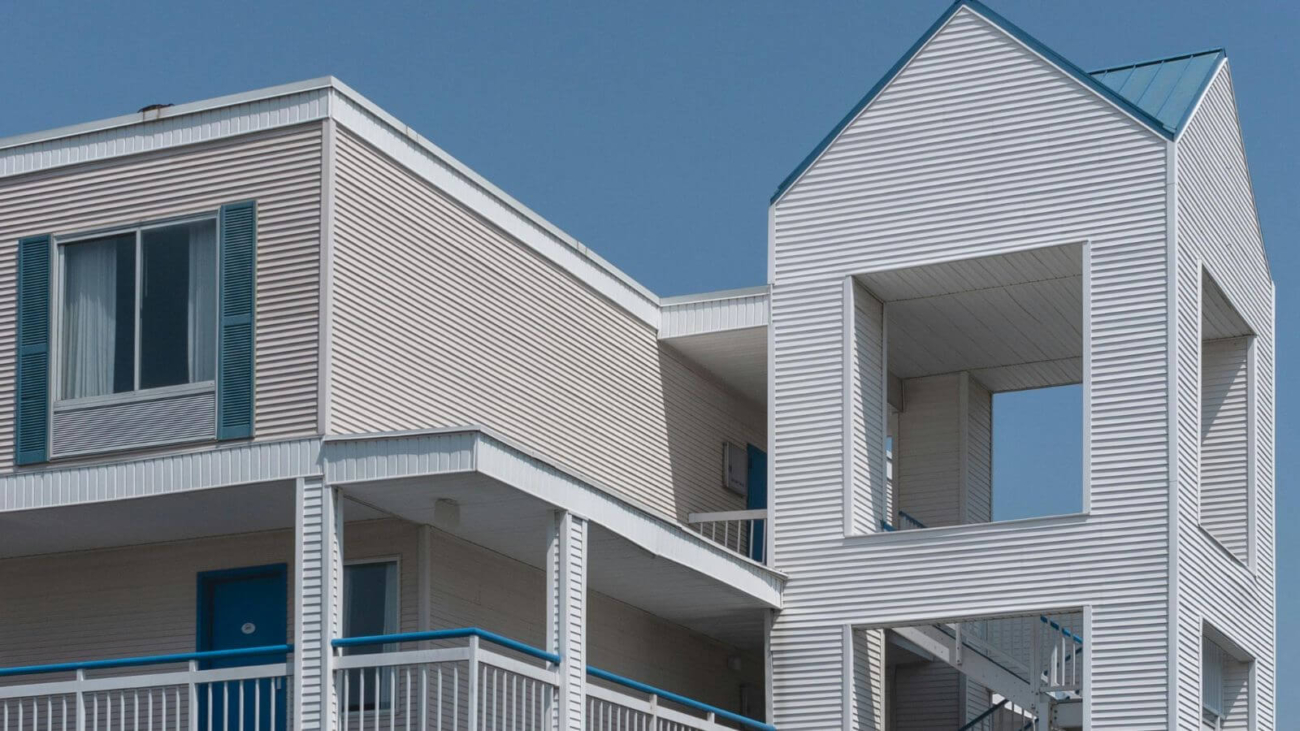
Siding does more than make your home look finished. It helps protect the structure from moisture, pests, and weather damage. When siding starts to fail, the problems often show up slowly, then suddenly become expensive.
Replacement is not always the first step. Some issues only need repairs, sealing, or repainting. Still, there are clear signs that replacement makes more sense than patchwork. Knowing what to look for helps you act early and avoid hidden damage behind the walls.
Visible Damage That Keeps Coming Back
Start with what you can see from the ground. Cracks, warping, and loose panels often signal that the siding is no longer holding its shape. One damaged area can be a small repair, but repeated failures across multiple sections usually point to broader deterioration.
Look for boards that bow outward, edges that curl, or pieces that pull away from the house. These issues can allow water and air to enter, which creates larger problems behind the surface. If you keep reattaching the same areas or repainting over the same defects, the siding may be at the end of its useful life.
When you see widespread damage, it helps to get a professional assessment from siding contractors such as those at kvconstruction.net before the underlying materials absorb moisture. A detailed inspection can confirm whether repairs will hold or whether replacement is the smarter move.
Moisture Clues Around Windows, Doors, and Seams
Moisture is one of the biggest siding threats. When water gets behind the siding, it can rot sheathing, weaken framing, and create mold risk. The tricky part is that moisture damage does not always show up as obvious leaks.
Check seams and joints for gaps, crumbling caulk, or dark staining. Look near windows and doors for bubbling paint, soft trim, or water marks. These areas are common entry points, especially if flashing is old or installed poorly.
If you notice recurring dampness indoors near exterior walls, that can be another sign. Even if the siding looks fine from a distance, the system may be failing around edges and penetrations.
Rot, Soft Spots, or Crumbling Materials
If your siding is wood or a wood composite, probe suspicious areas gently. A screwdriver can reveal soft spots that indicate rot. If the tool sinks in easily or the surface crumbles, that material has lost structural strength.
Rot often appears near the bottom edge of siding, near gutters, or around sprinklers that spray the wall. It can also show up on shaded sides of the house where moisture lingers longer. Termites and other pests may take advantage of weakened wood, creating additional damage.
A small rot patch can be repaired, but multiple rotted sections across the exterior usually mean replacement will be more cost-effective. Rot spreads, and the hidden damage behind siding can be worse than what you see.
Fading, Peeling Paint, and High Maintenance Cycles
Paint does not last forever, but frequent repainting can be a clue that the siding is breaking down. If paint peels quickly after a fresh coat, the substrate may be absorbing moisture or expanding and contracting too much.
Fading can be cosmetic, yet it often signals aging materials and UV exposure damage. If siding looks chalky, brittle, or uneven in texture, it may not hold coatings well anymore. Vinyl siding can fade too, and severely faded vinyl can become more prone to cracking.
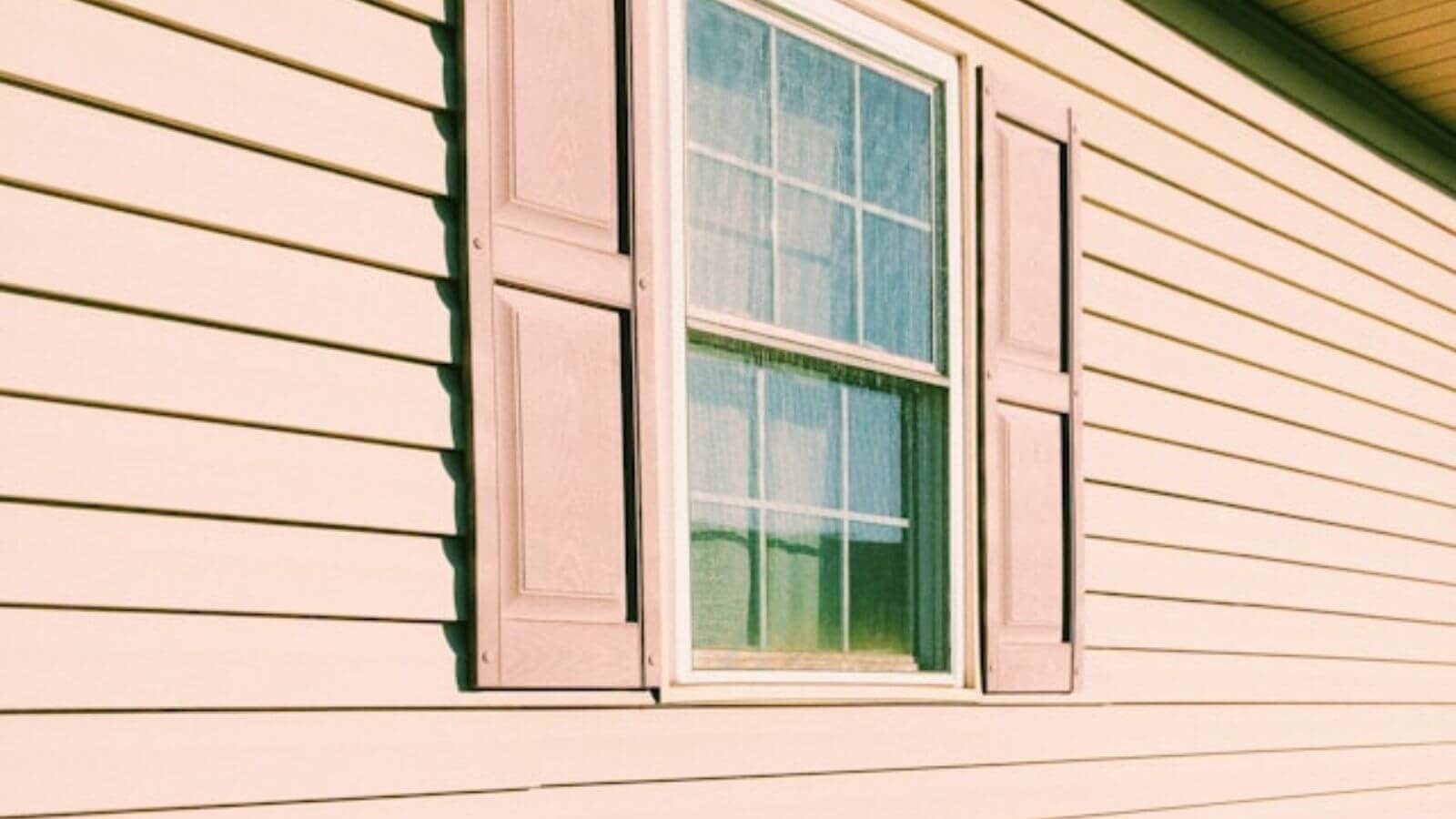
If you feel like you are constantly patching, caulking, and repainting, replacement may reduce maintenance stress while improving weather resistance.
High Energy Bills and Noticeable Drafts
Siding affects energy performance, especially when paired with insulation and proper house wrap. When the exterior envelope is compromised, heating and cooling systems work harder. That can show up as higher energy bills and rooms that feel drafty or uneven in temperature.
Check for cold spots near exterior walls in winter and warm spots in summer. If the house feels harder to keep comfortable, the issue may involve air leakage behind the siding. Poorly sealed seams and aged materials allow outside air to creep in.
Replacement projects often include upgraded moisture barriers and insulation options. That can improve comfort and reduce energy waste, which helps offset replacement costs over time.
Mold, Mildew, and Persistent Stains
Mold and mildew can grow on siding surfaces, especially in humid areas or shaded zones. Some surface growth can be cleaned, but recurring mildew may suggest trapped moisture or poor ventilation behind the siding.
Look for green or black staining that returns quickly after washing. Check inside the home for musty odors near exterior walls. Persistent moisture conditions may be feeding both outdoor staining and hidden mold behind the cladding.
If the siding system allows moisture to linger, replacement with properly installed flashing, wrap, and ventilation details can resolve the root cause, not just the symptoms.
You can often tell siding needs replacement by watching for repeating damage, moisture problems, rot, high maintenance cycles, and changes in comfort inside the home. Small issues can be repaired, but widespread deterioration usually signals that the system is no longer protecting the structure. Acting early can prevent expensive hidden damage and give you a chance to upgrade your home’s exterior performance and appearance in one planned project.