
Picking a way to cool your home is a big move for any owner. You want to stay chilled when the sun is blazing outside during the summer months.
Many things change how well a system works in your specific space. Finding a balance between cost and power is the main goal for most families today.
Home Size And Square Footage
The size of your house dictates how much power you need for daily comfort. Big homes require more strength to push cold air into every room in the building. Small units in large spaces will run non-stop and fail fast – this costs you more money in repairs.
Ceiling height and window placement matter during this selection process. Rooms with high ceilings often trap heat near the top of the living space. You might need a stronger fan to circulate the cold air properly through the entire room.
Walls that hold onto the cold help the system rest more often during the day. This saves wear and tear on the machine over 10 years of use. High-quality insulation makes a massive difference in how hard your unit has to work to keep things frosty.
Climate And Local Weather Conditions
Local weather patterns shift what kind of tech works best for your family. Areas with high humidity need systems that pull moisture from the air to feel comfortable. Dry climates might benefit from different styles of cooling that add a bit of moisture back into the home.
Planning for heat waves requires a solid strategy. When you choose the right air conditioner for your region, your home stays cool without wasting power. Most people look at the peak summer highs to decide which model can handle the heat.
Living in a place with mild nights allows for more flexibility with your hardware. You might open windows after the sun goes down to help the unit rest. This reduces the load on your cooling system during the hottest months of the year.
Energy Efficiency And SEER2 Ratings
Modern units come with ratings that show how much power they use every hour. High numbers mean the machine turns electricity into cold air very well for the home. These models often cost more at the store but save cash later on the monthly utility bills.
A guide from a federal energy department suggests setting a comfy temp during the day but bumping it up 7 degrees when you leave. This small change cuts down on waste without hurting your comfort levels inside. Following this tip saves plenty of cash throughout the long cooling season.
Looking for a special blue star label helps identify the top performers in the market. These machines meet strict rules for saving power and helping the planet stay healthy. Buying one might qualify you for tax credits in some states, which lowers your total cost.
Different Types Of Cooling Systems
You have many styles to pick from when shopping for a new home system. Central systems work for houses with existing ductwork already in the walls. Mini-splits are great if you only want to cool specific rooms instead of the whole building.
- Central units offer whole-house comfort through one vent system.
- Window units provide a cheap fix for single rooms or small apartments.
- Heat pumps work for both cooling in summer and heating in winter.
- Portable units move from room to room with a simple window kit.
Every style has pros and cons for different types of living situations. Some units are easier to install than others, depending on the build of your home. Think about how much construction you want to deal with this week before you sign a contract.
Smart Technology And Thermostat Controls
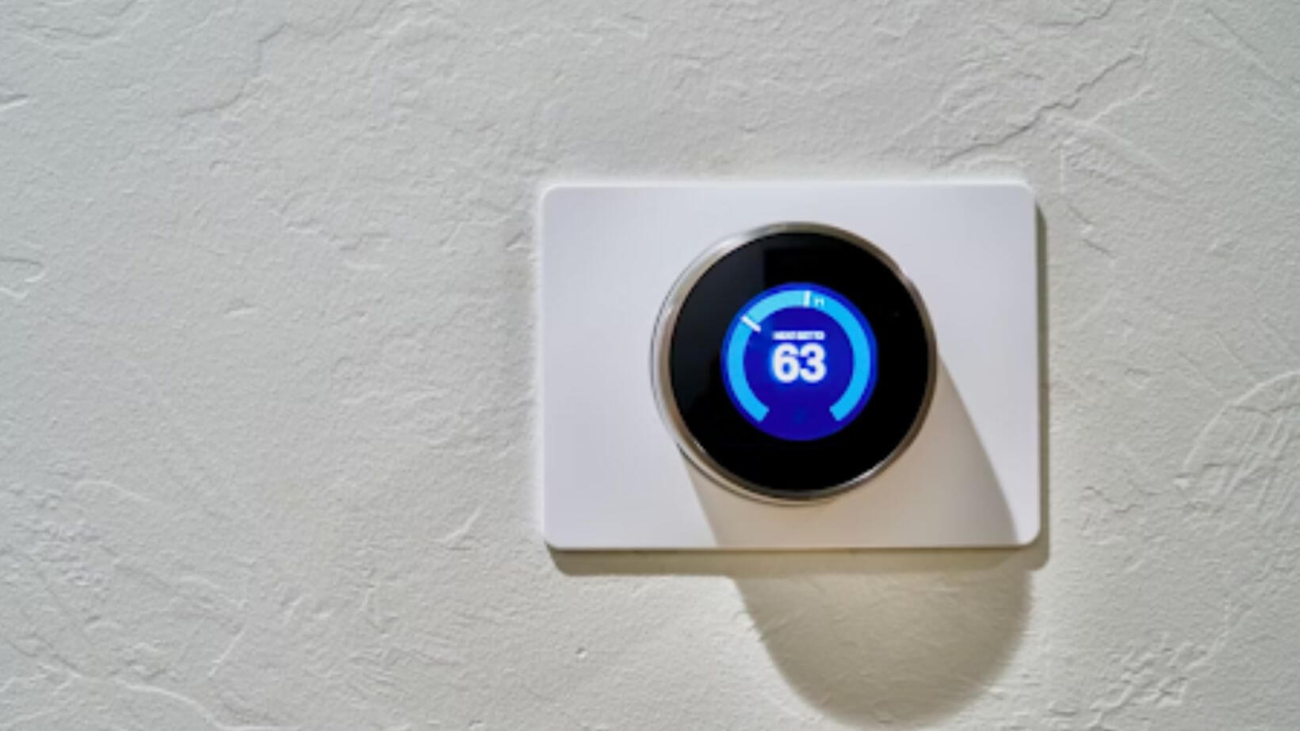
New systems talk to your phone and learn your daily habits. You can change the temperature from work or from the couch using a simple app. This level of control helps keep bills low throughout the entire summer season.
Sensors in different rooms track where people are hanging out during the day. The system sends more air to the living room when the family is there for dinner. It stops cooling empty bedrooms to save energy and money on the power bill every month.
Scheduling tools allow you to plan your cooling for the whole week in advance. Set the house to be cold just before you get home from your job. This avoids running the machine when the house is empty and quiet for hours.
Air Quality And Filtration Options
Keeping the air clean is just as key as keeping it cold for your family. High-end systems include filters that catch dust, pollen, and pet dander from the air. This makes breathing easier for everyone inside the house during the peak allergy season.
- HEPA filters trap tiny particles that standard filters might miss.
- UV lights kill bacteria and mold growing inside the cooling coils.
- Dehumidifiers keep the air from feeling sticky or gross on hot days.
Changing these filters every 3 months keeps the system running smoothly for years. Clogged filters force the motor to work harder than it should to move air through the vents. Clean air flows better and keeps the house smelling fresh and clean for your guests.
Noise Levels And Unit Placement
Some machines make a lot of noise when they are running on hot days. You should think about where the outdoor unit will sit on your property line. Placing it near a bedroom window might keep you awake at night when you need rest.
Look for units with quiet modes or insulated blankets for the motor. These features muffle the humming sound that older machines usually make during the day. Your neighbors will appreciate a quiet machine during the late hours of the night, too.
Vibration pads under the unit stop sounds from traveling through the floor of the house. Small adjustments during the setup phase make a massive difference in sound levels. Peace and quiet are worth a few extra dollars during the install process.
Budgeting For Installation Costs
The price of the unit is only one part of the total bill for the project. Labor for the crew to put it in can be $2,000 or more, depending on the job. Getting multiple quotes from local pros helps you find the best deal in town.
Older homes might need new wiring or duct repairs before the crew can start. These hidden costs can surprise you if you do not plan ahead of time. Check the attic and crawl spaces for any leaks or holes before you buy a new unit.
Finance options allow you to pay for the system over several years of time. Many companies offer low-interest rates for energy-efficient upgrades to your home today. This makes a $10,000 system feel more manageable for your monthly budget and your lifestyle.
https://pixabay.com/photos/fan-air-conditioning-turbine-62782/
Selecting the best cooling method takes time and careful thought from the owner. You should weigh the power needs of your home against your wallet and your comfort.
A cool home makes every summer day more fun for the whole family. Once the install is done, you can relax in total comfort for many years.