
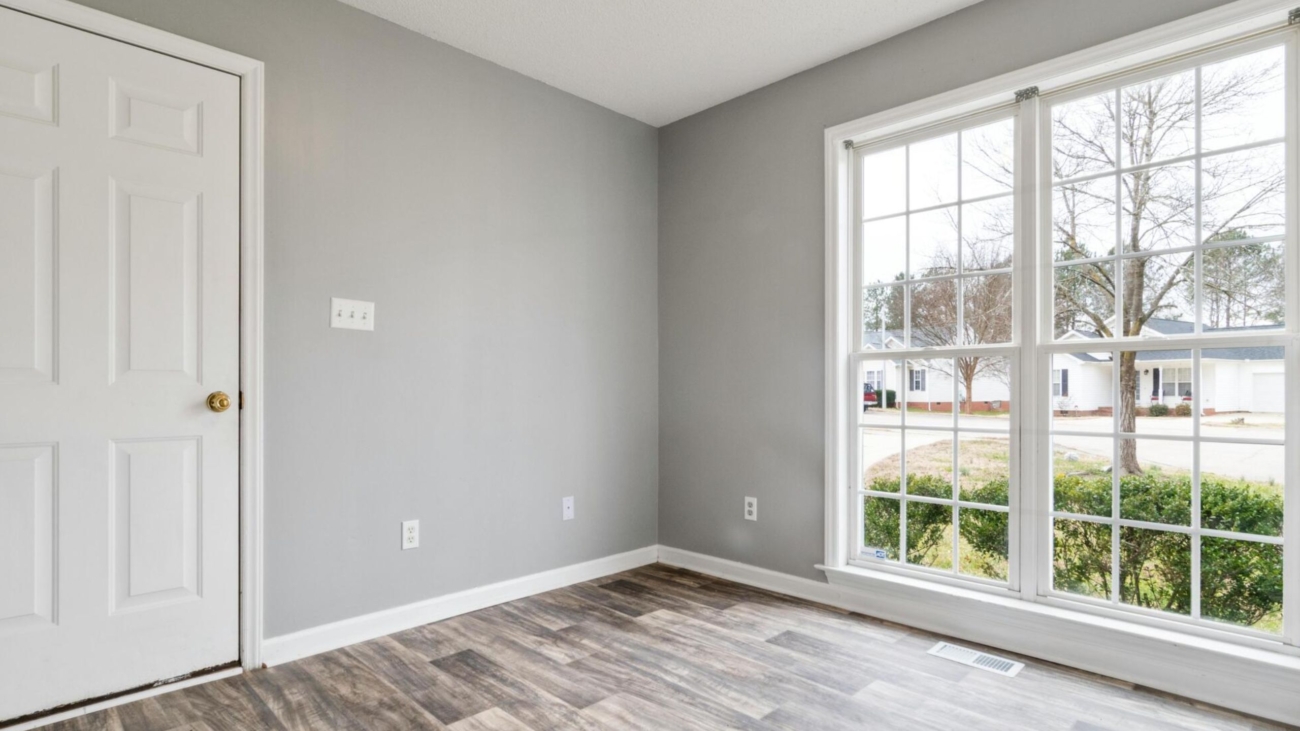
Modern windows improve energy efficiency by limiting heat transfer through your home’s glass and frames. Low-E coatings, insulated glazing, gas fills, and efficient frames each slow that transfer in a different way. Matching the U-factor and solar heat gain coefficient to your climate then improves performance further.
The U.S. Department of Energy reports that thermal transfer through windows accounts for 25% to 30% of the energy consumed for heating and cooling in residential buildings. That makes your windows one of the most effective places to cut energy waste. Knowing how each technology works helps you choose the right windows for your home.
How Do Modern Windows Improve Home Energy Efficiency?
Each component addresses a different way energy can move through or around the window. Multiple glass panes create insulating spaces that slow heat movement. Low-E coatings control radiant heat without blocking daylight.
Argon or krypton gas adds insulation, while improved spacers reduce heat transfer at the glass edges. Vinyl and fiberglass frames, such as those on milgard windows, generally conduct less heat than conventional metal frames. Together, they keep your heating and cooling systems from working harder to hold your set temperature.
Which Window Ratings Matter Most for Energy Performance?
Window ratings let you compare actual performance instead of relying on general efficiency claims. Pay particular attention to the following:
- U-factor
- Solar heat gain coefficient
- Air leakage
- Visible transmittance
A lower U-factor means better insulation. A lower solar heat gain coefficient reduces the heat you gain from sunlight.
Lower air leakage means a tighter window, while visible transmittance shows how much daylight you keep. Choose the combination that suits your home’s location and design.
How to Choose Windows for Your Climate and Home
Your climate determines how much emphasis you should place on insulation or solar control. Consider the conditions surrounding each opening, including:
- Seasonal temperature patterns
- Window orientation
- Exterior shading
- Glass area
East- and west-facing windows can receive substantial direct sunlight, while roof overhangs or trees can reduce solar exposure. Larger windows may also have a greater effect on indoor temperatures than smaller openings. Check the ENERGY STAR criteria for your climate zone before comparing products.
Why Installation Quality Matters for Energy Efficiency
Installation determines how effectively the window connects to the surrounding wall. A proper installation should address the following:
- Opening preparation
- Perimeter air sealing
- Weather protection
- Drainage management
Gaps around the frame allow air movement and undermine the efficiency you expected from the window. Ask your installer how the opening will be prepared and sealed, and compare installation scope when reviewing estimates.
Choose Modern Windows for Better Energy Performance
Modern windows can help you control heat transfer, manage solar gain, and improve your home’s overall energy performance. Choose products based on your climate, window orientation, performance ratings, and installation requirements. The right combination can make your windows a more effective part of your home’s energy strategy.
Did you enjoy this blog and find the information you were looking for? If so, check out our other blogs for more practical tips and ideas on home improvement, interior design, home maintenance, DIY projects, and creating a more beautiful home.