

A yard can serve as an extension of your home, a place for relaxation, entertainment, and personal expression. Balancing functionality with aesthetics can make your yard enjoyable throughout the year. Simple changes can transform your outdoor area into a welcoming and practical space, whether you prefer a low-maintenance garden, a lively entertainment spot, or a serene retreat.
The following ideas focus on combining style with utility, making your yard beautiful and usable. By considering small improvements and thoughtful layouts, any yard can reach its full potential and become a favorite spot for family and friends.
Creating Functional Zones
Dividing your yard into functional zones allows each area to serve a specific purpose without feeling cluttered. A verandah, carport with polycarbonate shed systems can define a covered section that balances utility with style, providing shelter for vehicles, seating, or storage while keeping the layout cohesive. Using materials like gravel paths, decking, or low fences helps delineate these zones visually, making it clear which areas are for dining, play, or gardening. =
Thoughtful zoning ensures the yard remains practical for daily use and special occasions while maintaining a visually appealing layout. Planning like this makes it easier to move between spaces comfortably.
Enhancing with Greenery and Planters
Plants are crucial to creating a visually appealing and practical yard. Using raised planters or container gardens allows for easy organization and maintenance while providing opportunities for seasonal rotation. Mixing shrubs, flowering plants, and edible herbs can balance aesthetics with functionality.
Vertical gardening or trellises can save space and add height to your yard design. Greenery improves the visual appeal and can create privacy, reduce noise, and provide cooling shade, making the outdoor space more enjoyable throughout the seasons. Incorporating native plants can further reduce upkeep and support local wildlife, adding an eco-friendly aspect to the yard.
Incorporating Versatile Furniture
Outdoor furniture that adapts to different activities enhances comfort and functionality. Benches with storage underneath, foldable chairs, and multi-purpose tables allow for flexible use of space. Selecting weather-resistant materials like teak, metal, or durable synthetic fabrics reduces maintenance while ensuring longevity.
Adding cushions or covers in neutral tones provides comfort without overwhelming the design. Versatile furniture supports spontaneous gatherings, quiet afternoons, and even work-from-home moments in the yard, turning it into a space that works for various needs. Choosing pieces that can be moved or rearranged easily helps refresh the space regularly and keeps it looking lively.
Installing Smart Lighting
Outdoor lighting extends the usability of your yard into the evening and adds ambiance. Pathway lights improve safety, while string lights or lanterns create a cozy atmosphere for dining or relaxing. Motion-sensor lights around entrances provide security without sacrificing style.
Choosing warm-toned lighting enhances comfort and highlights key features like trees, garden beds, or water features. Strategically planned lighting ensures that the yard is functional after dark while maintaining an inviting and stylish environment. Proper lighting can highlight architectural elements and garden design, making the yard visually striking even at night.
Adding Water Features and Decorative Elements
Water features like fountains, small ponds, or birdbaths introduce movement and sound, making the yard a more calming space. Even simple elements like a modern sculpture, decorative rocks, or a fire pit can add personality while serving practical purposes. Fire pits provide warmth for cooler evenings, while birdbaths attract wildlife, offering a sense of connection to nature.
Incorporating a few well-chosen decorative elements can transform a yard from a standard outdoor space into a unique retreat that reflects personal style. These elements serve as focal points, drawing attention and creating a sense of harmony in the design.
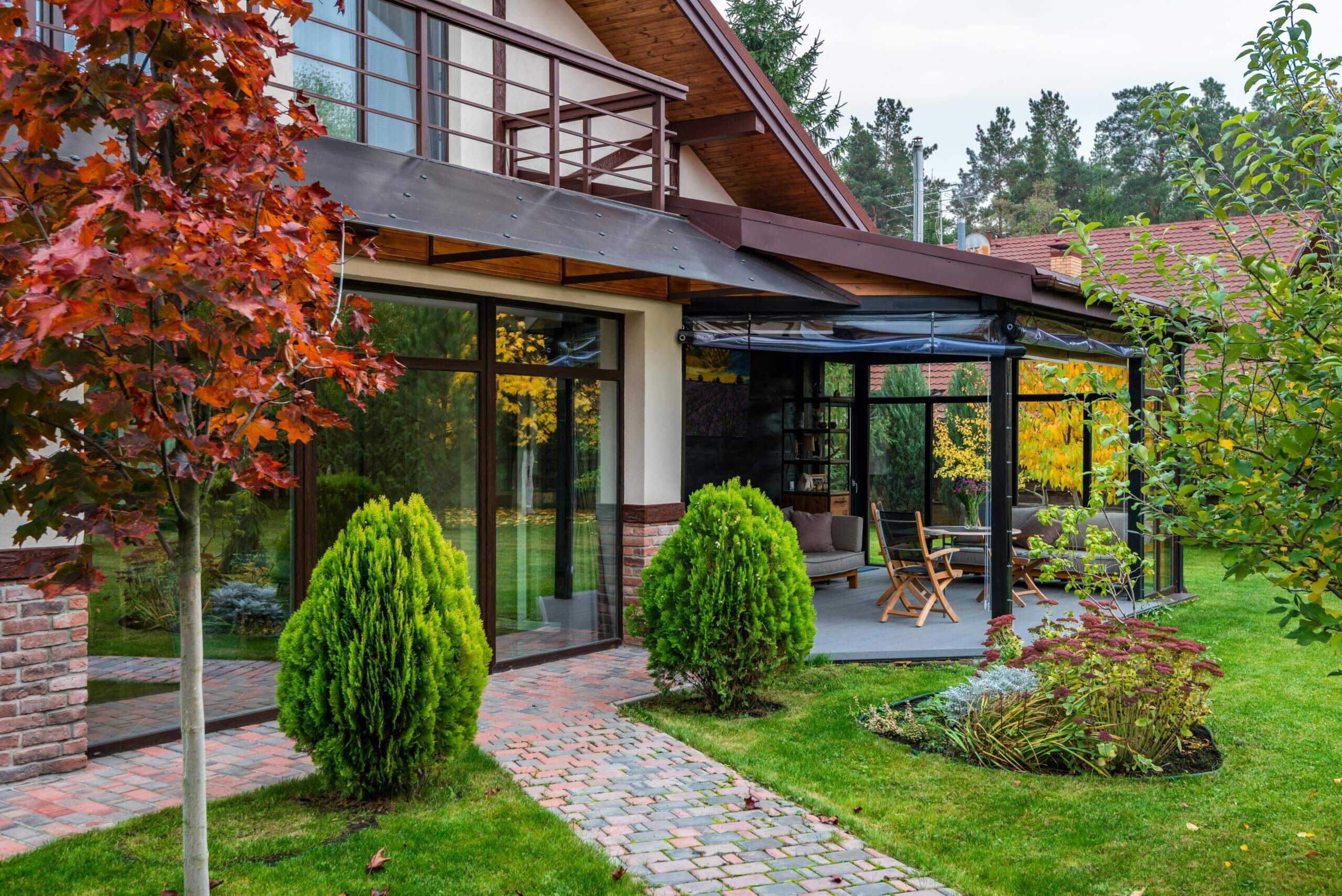
Maximizing Comfort and Shade
Comfort in the yard involves protection from the elements. Pergolas, umbrellas, or retractable awnings offer shade and make outdoor areas usable during sunny days. Comfortable seating and soft textiles, such as outdoor rugs or cushions, create inviting spaces for relaxation.
Adding a hammock or swing can enhance the feeling of leisure. Designing with comfort in mind encourages frequent use of the yard and ensures that all outdoor activities, from reading to hosting guests, can be enjoyed regardless of weather conditions. Paying attention to these details can make even a small yard feel like a personal oasis for everyone who uses it.
A yard designed with practicality and style in mind becomes an extension of the home where every corner serves a purpose and reflects personal taste. Implementing functional zones, versatile furniture, greenery, lighting, decorative elements, and comfort features can turn even a small yard into a space that is beautiful and usable.
Thoughtful planning allows the yard to support daily life, leisure, and gatherings, creating a harmonious outdoor environment. By taking the time to consider each aspect carefully, you can create a yard that grows more enjoyable and visually appealing with every season.
