
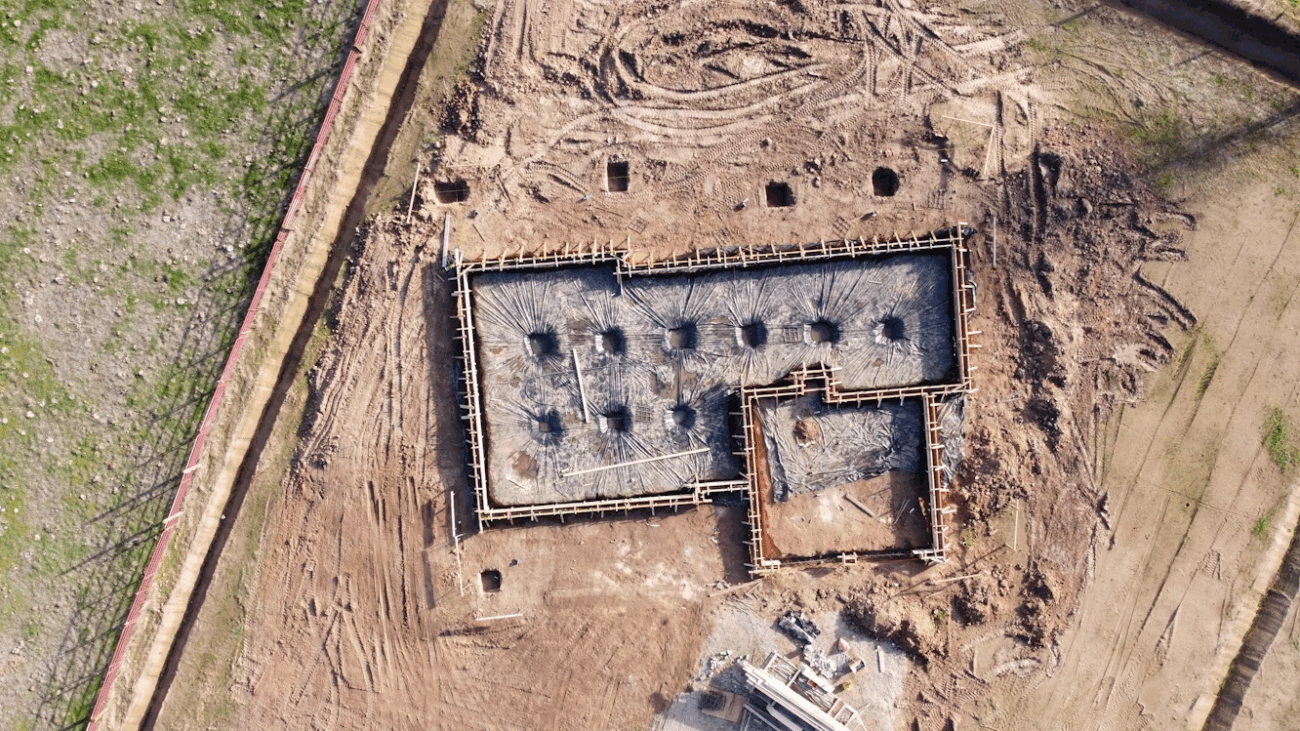
Hairline cracks in a foundation pad can look scary, but not every line means the structure is failing. Many are cosmetic, caused by normal shrinkage or minor settlement. The key is knowing what you’re seeing and acting before small issues grow.
With the right tools and techniques, you can stabilize, seal, and extend the life of a slab. This guide walks through practical options for diagnosing cracks, choosing materials, and planning repairs that match the problem. You’ll also see tips for preventing future movement.
Spotting Crack Types That Matter
Not all cracks are created equal, and recognizing patterns helps you pick the right fix. Hairline shrinkage cracks tend to be straight and shallow, while settlement cracks may step or change width along their path. Temperature and moisture cycles can open and close joints across seasons.
Pay attention to direction and size. Vertical or diagonal cracks around corners might signal differential movement, while long map-like patterns often point to surface shrinkage. Keep notes on where the cracks appear and whether they collect moisture or dust.
A home improvement publication noted that horizontal cracks or those wider than about 1/4 inch can indicate a more serious foundation issue. In those cases, it’s smart to pause cosmetic work and consult a structural professional for a plan that addresses causes as well as symptoms.
When To Seal, When To Stabilize
Before you buy materials, decide if the goal is waterproofing, load transfer, or both. Sealing is about blocking water and debris from entering the crack. Stabilizing aims to restore support or stop ongoing movement.
Cosmetic hairlines that don’t change width usually get a flexible sealant. Wider cracks that telegraph movement may need load-sharing across the break, often with dowels or stitched reinforcement. If the slab has settled, lifting or underpinning could be required before any surface repair.
Budget and access matter too. In open areas, joint routing and sealing are straightforward. Tight locations, equipment pads, and thresholds might benefit from low-profile stitching or injection so you don’t raise the floor or create trip points.
When To Call A Pro
Some conditions go beyond DIY. Rapidly widening cracks, new leaks along the wall-floor joint, or doors and windows sticking in nearby walls point to active movement. In those cases, further testing and a repair plan are worth the expense.
Professionals can evaluate soil conditions, drainage, and structural loads. If you need specialized materials or a reliable source for supplies, concrete repair products are widely available- and matching chemistry to the exact problem is half the battle. Once the underlying cause is handled, surface sealing and finish work will last much longer.
Surface Prep That Sets Repairs Up For Success
Good prep does most of the work. Clean the area, remove loose material, and chase the crack into a uniform profile so the sealant can bond and stretch. Vacuum dust and wipe with a solvent approved by the product manufacturer.
Moisture control is important. If the slab is damp, choose materials that tolerate it, or wait for acceptable conditions. Mask edges to keep lines neat and avoid smearing onto finished surfaces.
Prime only when the manufacturer specifies it. Over-priming can reduce flexibility or create a weak plane. Always check the cure windows so you can avoid trapping moisture or foot traffic too early.
Choosing Materials Based On Movement And Exposure
Pick flexible sealants for cracks that might open and close. Polyurethane and silyl-terminated polyether formulas bond well and handle joint movement. For static cracks, semi-rigid fillers or epoxy mortars deliver higher hardness and abrasion resistance.
Think about the environment. Outdoor pads face UV, freeze-thaw cycles, and de-icing salts. Indoor equipment pads deal with vibration, oils, and cleaning chemicals. Match the chemistry to the real-world exposure so the repair lasts.
Plan for finishing needs. If you’ll grind, polish, or coat later, make sure the filler or sealant is compatible with those processes. Some products take a shave trim after cure so you can bring the surface back to flush.
Practical Steps For DIY Crack Sealing
Small cracks are manageable with basic tools. Here’s a quick field checklist you can adapt:
-
Clean and widen the crack to a consistent profile
-
Vacuum and dry the area thoroughly
-
Install a backer rod where depth control is needed
-
Apply a compatible primer if specified by the manufacturer
-
Gun in the sealant, tool it to a slight concave profile
-
Protect from dust, rain, and traffic until full cure
Start with a test area to confirm workability and finish. If the sealant skins too fast, adjust your pace or choose a slower cure. Keep the nozzle moving to avoid air pockets that can telegraph as bubbles.
Dispose of rags and empty cartridges per the label. Some products are moisture-reactive and can heat up in the trash. Clear labeling and a tidy work zone make the second day of work much smoother.
Preventing Future Cracks With Drainage And Joints
Water is the enemy of stable soil. Grade soil to slope away from the pad, extend downspouts, and keep irrigation off the slab edges. Dry subgrades reduce swelling, shrinkage, and erosion under the concrete.
Control joints give concrete a planned place to crack. If your pad lacks joints, saw-cutting relief lines can help manage future movement. Keep joint spacing appropriate for thickness, and don’t let debris pack tight enough to bind the edges.
Match loads to design. Heavy equipment concentrated on thin pads can over-stress corners and lead to diagonal cracking. Spreading loads with base plates or footings helps preserve the slab and reduces maintenance.

Ongoing maintenance keeps a foundation pad reliable and safe. By separating cosmetic cracks from structural concerns and matching materials to the job, you can make repairs that last.
Start small, document what you see, and don’t hesitate to bring in help when patterns suggest active movement. A careful approach protects the slab, the structure it supports, and your budget over the long run.