
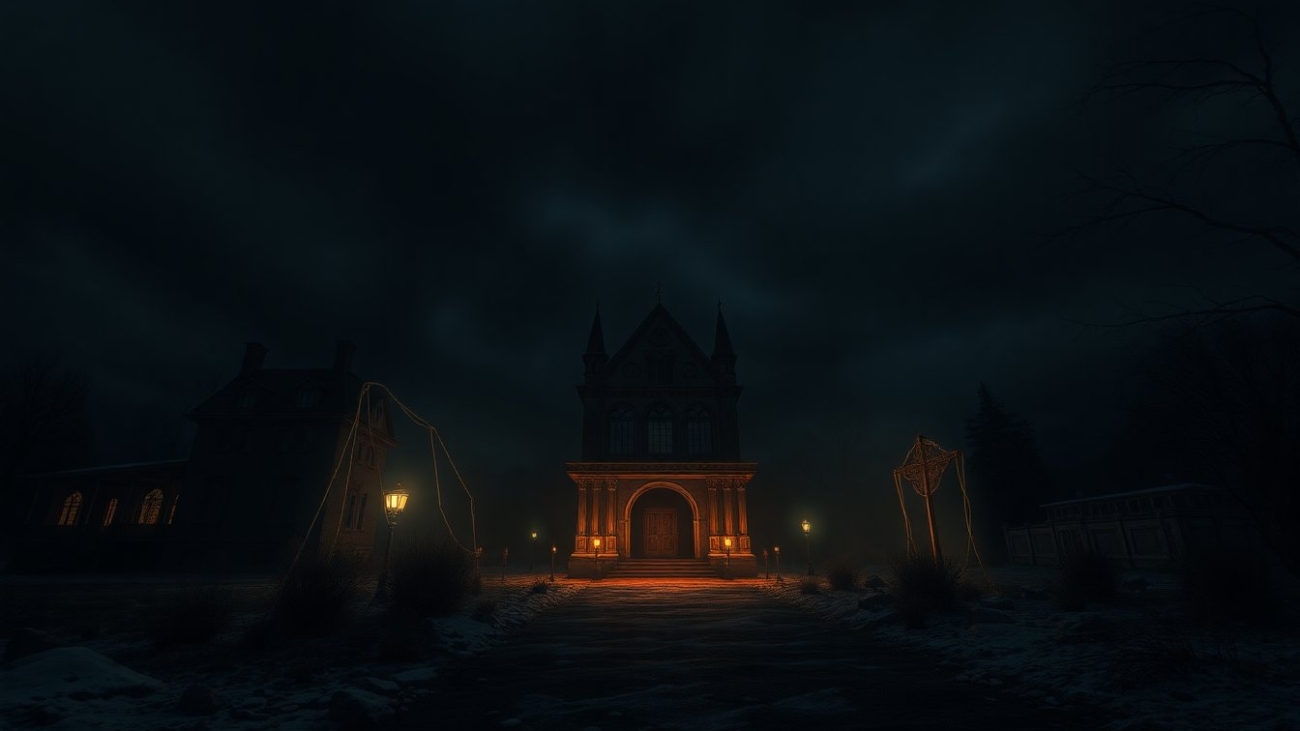
Saltlake vampire legends hoasereul appear in local stories and records. The phrase saltlake vampire legends hoasereul names a set of tales that locals and historians study. The article lays out origins, the main Hoasereul stories, key characters, and guidance for respectful study. It keeps facts clear and steps practical for readers who want to learn or visit sites tied to the legend.
Key Takeaways
- Saltlake vampire legends hoasereul combine European vampire folklore with local Indigenous stories and early settler accounts, creating a unique regional myth. The Hoasereul figure appears variably as a life force feeder or a protective spirit linked to specific landmarks like the Great Salt Lake shoreline and Emigration Canyon. Repeated elements of the legend include pale appearances, eerie night cries, and mysterious footprints, which help unify different stories under the saltlake vampire legends hoasereul name. Modern media and local culture embrace the legend to promote tourism, education, and community identity while adapting its tone from fear to mystery. Responsible exploration of saltlake vampire legends hoasereul calls for respect of oral histories, consultation with tribal historians, and accurate representation to preserve cultural integrity.
Origins And Historical Context Of Vampire Lore In Salt Lake
Early settlers and Indigenous communities recorded strange nocturnal accounts near Salt Lake. Scholars note that salt lake vampire legends hoasereul likely grew from a mix of immigrant folklore and local oral tradition. Missionaries and pioneers brought European vampire motifs. Indigenous stories about night spirits and restless dead influenced how locals told those stories. Newspapers in the late 1800s printed sensational accounts. Folklorists dated many written reports to the 1880s and 1890s. Those reports used the term salt lake vampire legends hoasereul in a handful of local pamphlets. Historians link such pamphlets to regional curiosity and tourism. The salt lake environment shaped the tales. Salt flats, isolated canyons, and long winter nights gave people settings for fear and explanation. The result fused imported vampire images with local details. People then passed the phrase saltlake vampire legends hoasereul on in family stories and town records.
The Hoasereul Legend: Stories, Variations, And Key Characters
Hoasereul appears as a single creature in some accounts and as a type of spirit in others. Local storytellers described Hoasereul as pale, quiet, and drawn to warm homes at night. Some versions gave Hoasereul a clear motive: the creature fed on life force. Other versions made Hoasereul a guardian who turned violent when disturbed. The main human characters vary. A common tale shows a frontier family who meets Hoasereul after one child falls ill. Another tale shows a lone trapper who flees a canyon and claims he saw a pale figure at dawn. The repeated elements shaped the image: empty footprints near the shore, sudden animal deaths, and small burns on doorframes. Chroniclers used the phrase salt lake vampire legends hoasereul when describing those repeating elements in local records. Modern retellings often blend all variants into a single narrative. Writers and podcasters reuse the saltlake vampire legends hoasereul label to link versions. The label gives listeners a simple entry point into a set of distinct but related tales.
Local Sightings, Landmarks, And Oral Accounts Related To Hoasereul
People report Hoasereul sightings near specific landmarks. Witnesses name the Great Salt Lake shoreline, Emigration Canyon, and abandoned cabins along the railroad. Older residents say they heard stories from grandparents. Those oral accounts mention a low crying sound at night and sudden cold patches in rooms. Local historians logged several 20th-century reports in town archives. Tour guides sometimes point to particular trees and rock ledges as common sighting spots. Researchers caution that memory shifts details over decades. Still, consistent items persist across accounts: the pale figure, the night cries, and the feeling of being watched. Many locals now call the whole cluster saltlake vampire legends hoasereul when they speak about those places. The phrase helps match separate memories to one set of landmarks.
Cultural Impact, Media Reinvention, And What Hoasereul Means Today
Authors and filmmakers reuse the Hoasereul figure. They adapt the tale into short stories, films, and local museum exhibits. Podcasts that explore regional folklore often feature an episode titled with saltlake vampire legends hoasereul. Those media increase public interest. Some businesses use the name for tours and themed events. Local schools include simplified versions of the tale in community studies. Creators change details to fit new formats. They make Hoasereul less threatening in some versions and more mysterious in others. The change shifts the legend from fear to identity. Residents now treat the tale as a part of local culture. Tourists come to hear the saltlake vampire legends hoasereul during fall and winter. Cultural workers use the legend to teach about oral history, memory, and how stories move from private talk to public display.
Responsible Exploration: How To Research, Visit, And Respect Local Traditions
Researchers should use primary records and oral interviews. They should visit local archives and consult tribal historians. Visitors should stay on public paths and avoid private property. They should ask permission before filming or recording elders. Guides should label attractions accurately and not claim false facts. When groups hold tours that invoke saltlake vampire legends hoasereul, they should include context about sources and changes over time. Hosts should credit contributors and avoid sensational claims that harm community memory. Writers should cite archives and living witnesses. They should avoid repeating unverified allegations as fact. In this way, the legend keeps its value as a cultural resource and not just as entertainment.