
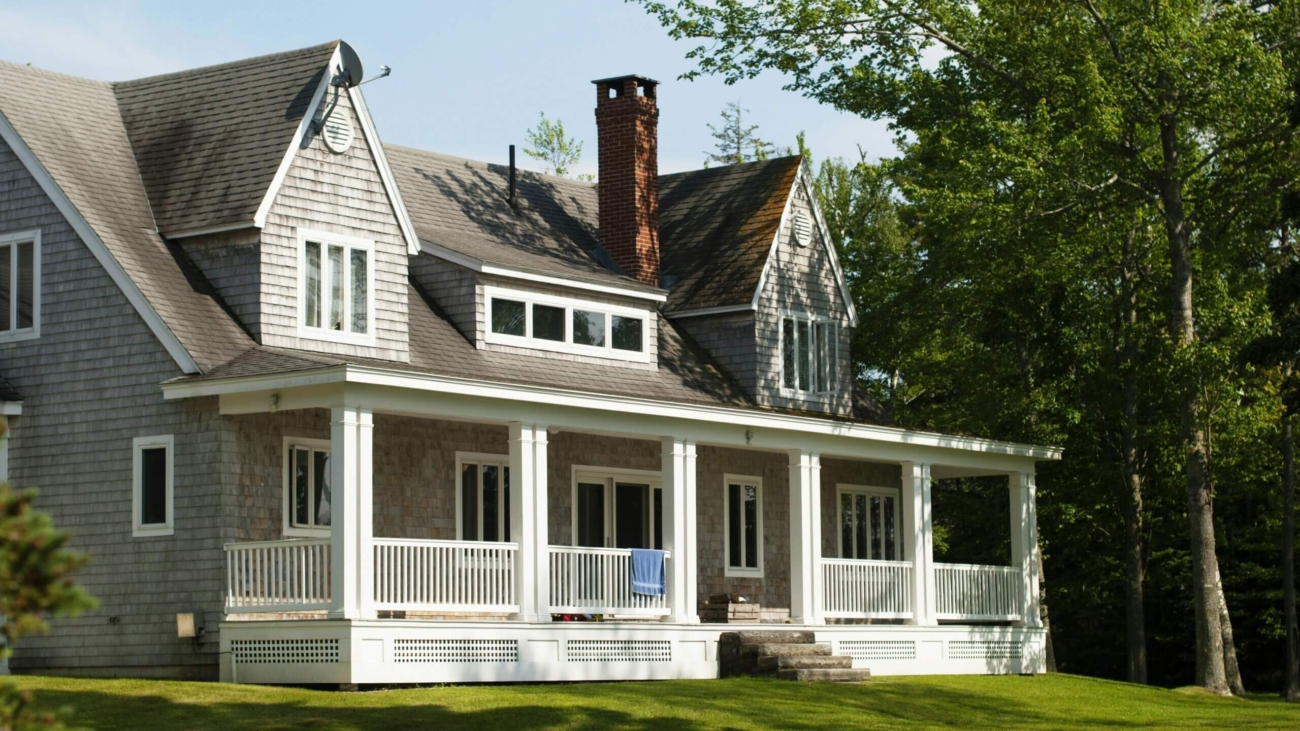
Owning a home is a major investment that requires constant attention. Most people focus on cosmetic updates like paint colors or new carpet. These visual changes are great, but they do not protect the actual bones of the house. You must look deeper to find issues that could threaten the safety of your family. Finding a problem early can mean the difference between a simple patch and a massive construction project.
Watch For Foundation Cracks
Cracks in the foundation are often the first sign of a shifting house. Small hairline fractures might only be the result of the house settling over time. You should look for wider gaps or cracks that follow a stair-step pattern through the brickwork. These patterns suggest the ground underneath is moving unevenly.
Large horizontal cracks along foundation walls typically signal lateral soil or hydrostatic pressure forcing the wall inward. This information comes from a professional engineering resource highlighting how outside forces impact masonry. If you see these long lines, the wall might be losing its ability to hold up the weight of the home.
Spotting Interior Wall Gaps
The inside of your home provides many clues about the health of the structure. Doors and windows that suddenly stick or refuse to latch are common warning signs. You might also see cracks in the drywall near the corners of door frames. These issues happen when the frame is no longer square due to movement below.
Check the areas where the walls meet the ceiling or the floor. Gaps in these spots often mean the house is pulling apart or sinking. If you need help with your roof, roofing services in Hanover can inspect the upper structure for stability. A solid roof depends on the walls remaining straight and true throughout the year. Every part of the building works together to maintain balance.
Check For Uneven Floors
Walking across your home should feel solid and level. If you notice a slope when walking from one room to another, you have a reason to worry. Spongy or bouncy floors suggest the wooden joists underneath are failing. This can happen from age, pests, or even poor construction methods used years ago.
A recent home inspection guide noted that floors tilting more than 1 inch over 8 feet signal serious trouble. This level of slant is rarely a minor settling issue. It usually means a support beam has shifted or a pier has sunk into the mud. You can test this by placing a small ball on the floor to see if it rolls quickly toward one wall.
Signs Under Your Feet
- Cracked floor tiles in a straight line
- Nails popping up through the hardwood or carpet
- Gaps between the baseboard and the floor
- A feeling of vibration when someone walks nearby
Prevent Water Damage
Water is the primary enemy of any building material. It can rot wood, rust metal, and cause concrete to crumble over time. You should check your basement or crawlspace for damp spots after every heavy rain. Standing water near the foundation will eventually soften the soil and lead to sinking.
A home design expert explained that unrelenting moisture can weaken the very bones of a structure through wood rot and mold growth. This damage happens slowly and often stays hidden behind finished walls. To keep your home strong, follow these maintenance steps:
- Clean gutters to keep water away from the walls
- Grade the soil so it slopes away from the foundation
- Seal cracks in the driveway or patio
- Fix plumbing leaks immediately to prevent rot
Roof Lines and Chimneys
Step outside and look at the silhouette of your house from the street. The ridge of the roof should be a straight, horizontal line. A dip in the middle of the roof indicates the rafters are sagging or the load-bearing walls are spreading. This puts massive stress on the entire building.
Chimneys are also heavy structures that require their own deep support. A chimney that tilts away from the house is a clear sign of foundation failure. You might see a gap between the chimney masonry and the siding of the home. This gap allows water and pests to enter the interior walls, which creates even more problems.
Outside Wall Changes
The exterior of the home acts as a protective shell. When that shell starts to show signs of distress, the structural core is likely suffering. Look for siding that is pulling away from the corners of the house. This often happens when the frame of the building begins to twist or lean.
Examine the window sills for any signs of pulling or gaps. If the caulking around the window is constantly cracking, the house is moving more than it should. These small openings allow air and moisture to bypass your insulation. This leads to higher energy bills and hidden rot within the wall studs.
Catching these signs early can save you from a total collapse or a massive repair bill. It is much easier to fix a small crack than to lift an entire house back into place. Take a walk around your property today and look closely at the corners and the roofline. Staying proactive is the only way to ensure your home remains a safe place to live for many decades.