
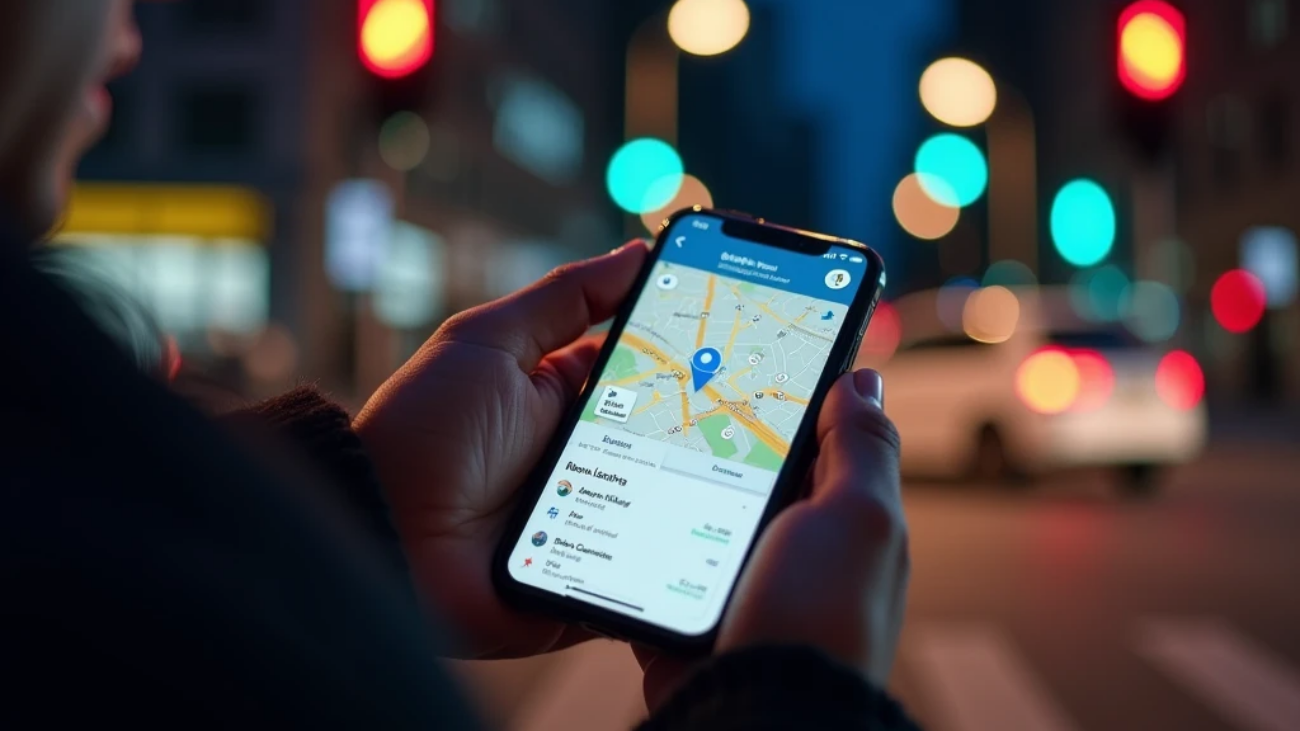
Access in major cities is constrained by geography before any user action begins. The available pool of services is limited to a narrow radius shaped by density, transport, and time of day. A user does not explore the entire city. They operate within a defined zone that rarely exceeds 10–15 minutes of movement. Once that boundary is set, behavior becomes direct and functional: open maps, scan nearby options, switch between services, compare what is immediately reachable. In that same sequence, eros escort appears among local results as part of the same decision layer, where distance and timing define relevance before any deeper evaluation happens.
Why density creates immediate advantage
Higher density zones compress supply and demand into a smaller area, increasing both visibility and conversion speed. Manhattan, Downtown Brooklyn, and similar districts demonstrate this effect clearly.
The impact of density can be measured through simple patterns:
- Services within 0.3–0.5 miles receive the highest interaction rates
- Engagement drops by over 50 percent once distance exceeds 1 mile
- Areas with higher foot traffic generate faster decision cycles
- Central districts produce shorter time-to-action compared to outer zones
A service located within dense clusters does not need additional visibility signals. Proximity alone drives traffic.
How pricing zones segment behavior
Real estate pricing divides the city into behavioral segments. Each zone carries its own expectations and decision logic.
Three clear segments emerge:
- High-cost districts where users prioritize speed and immediate access
- Mid-range areas where distance and cost are balanced
- Peripheral zones where users evaluate options more carefully before acting
Movement between these segments is limited. Users rarely cross into another zone unless the difference in value is significant.
What defines peak demand windows
Demand is not evenly distributed throughout the day. It concentrates into specific time blocks where activity intensifies and decisions accelerate.
The strongest peaks occur during:
- Evening hours between 8 PM and midnight
- Late-night windows from midnight to 2 AM
- Event-driven spikes tied to concerts, games, or weekends
During these periods, the decision window shortens. Users act faster and compare less.
Why movement patterns shape visibility
Urban movement follows repeatable paths rather than random exploration. These paths define where demand concentrates and where visibility matters most.
Typical movement routes include:
- Accommodation to dining areas within short walking distance
- Dining to nightlife clusters within the same district
- Late-night return paths that stay within familiar zones
Services positioned along these routes receive more consistent traffic. Being slightly outside these paths reduces exposure even if distance appears similar.
How short-term presence changes demand dynamics
Visitors and short-term residents behave differently from locals. Their decisions are based on immediacy rather than familiarity.
Key behavioral traits include:
- Faster decision-making, often under two minutes
- Preference for central and recognizable locations
- Limited willingness to move beyond current surroundings
- Higher reliance on visible and accessible options
This creates sharper demand spikes and faster drop-offs compared to local usage patterns.
What makes a service immediately accessible
Accessibility depends on how quickly a user can move from discovery to action without friction. Distance alone is not enough.
Critical factors include:
- Exact and accurate location data
- Immediate availability signals
- Minimal steps between viewing and action
- Fast performance on mobile devices
Any delay or inconsistency removes the service from consideration instantly.

Where competition narrows to a few options
Urban competition is not broad. It is concentrated within a small visible set. Most users interact with only three to five options before making a decision.
Within that narrow field:
- A difference of one block can shift selection
- Faster load times increase retention
- Clear availability reduces hesitation
Everything outside that range remains unseen.
What sustains positioning over time
Long-term visibility depends on alignment with real conditions rather than static presence. The city changes constantly, and services must reflect that movement.
Sustained positioning relies on:
- Remaining within active demand zones
- Updating availability in real time
- Matching displayed information with actual conditions
- Maintaining consistent speed and clarity
Urban demand is shaped by movement, not by static visibility. Location defines the boundary, and behavior determines everything inside it.