
When you walk through a property, it’s easy to focus on what you can see. The layout, the finishes, the natural light; these things tend to shape your first impression quickly. However, a short viewing rarely tells the full story. Structural issues, moisture damage, deferred maintenance and incomplete documentation can all affect the real value of a property. Knowing what to look for before you make an offer can save you from costly surprises down the line.
Look Beyond Cosmetic Presentation
Fresh paint, new flooring and stylish staging can make almost any property look well-maintained. These updates can make it harder to spot issues that sit beneath the surface. During a viewing, pay attention to general warning signs that may indicate a property needs closer attention:
- Visible cracking in walls or ceilings
- Staining or discoloration that may suggest moisture
- Floors that feel uneven underfoot
- Damaged or sagging roofing and guttering
- Poor ventilation in bathrooms or kitchens
- Deteriorated timber, cladding or external materials
- Doors or windows that stick, jam or don’t close properly
These signs simply indicate that a professional assessment is worth arranging before you go further.
Review the Property Information Available
Before committing to a purchase, it’s worth reviewing the available documentation for the property. What you can access will depend on where the property is located and how the sale is being conducted.
Depending on your market, relevant records may include title or ownership documents, planning history, permits for renovations or extensions, strata or owners corporation records, seller disclosures, and any known maintenance or repair history.
A real estate attorney or conveyancer in your area can help you understand which documents apply and what to look for. Gaps in documentation are worth noting. A property with a history of unpermitted work or unresolved disputes may carry risks that aren’t visible during a viewing.
Consider Future Repair and Maintenance Costs
The purchase price is only one part of what a property will cost you. Older roofing, aging plumbing, outdated electrical systems, worn heating and cooling equipment, and deteriorating exterior materials can all require attention within a few years of purchase.
At this stage, what matters is developing a realistic sense of whether visible or reported issues could add significantly to your overall budget. A property priced attractively may still represent poor value if it carries substantial deferred maintenance.
Buyers who factor in likely upkeep costs tend to make more grounded decisions. It’s a practical step that applies whether you’re purchasing a first home, an investment property, or a home in an unfamiliar market.
Know When to Arrange a Building Inspection
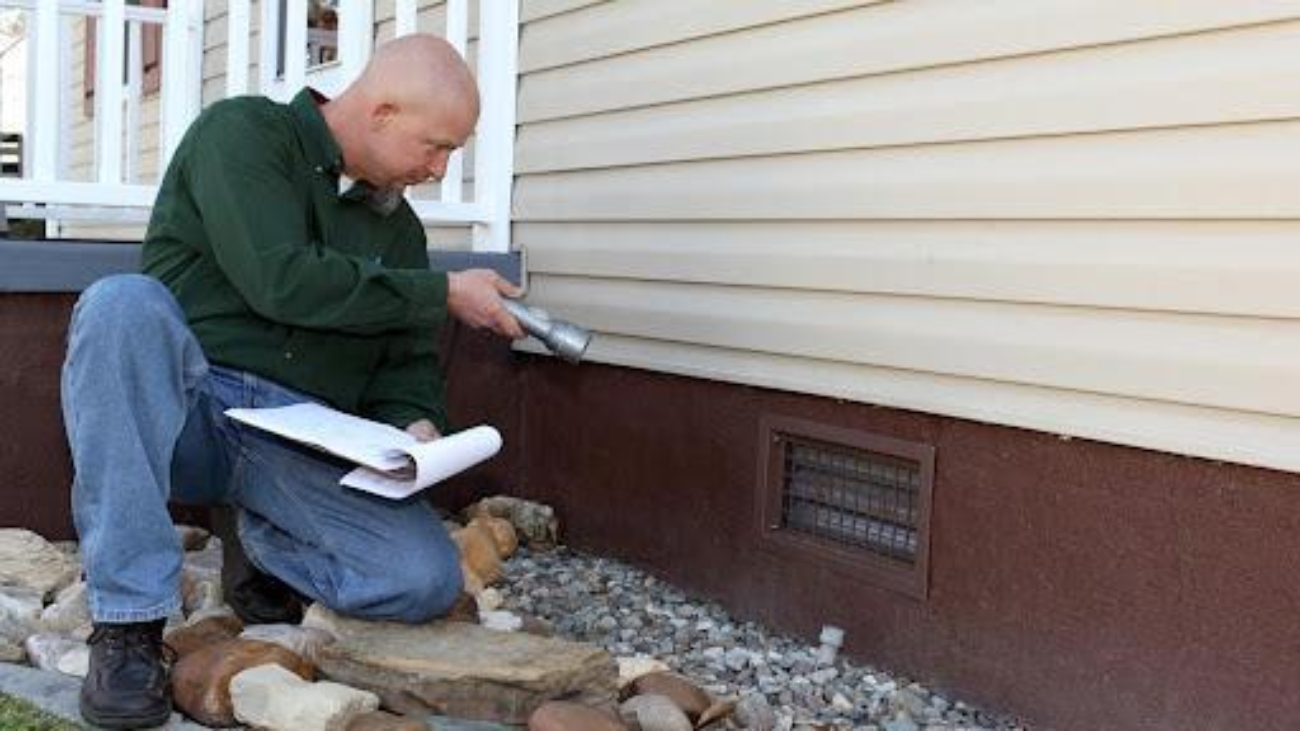
A qualified building inspector can assess the accessible areas of a property and identify visible defects, safety concerns, or signs that further specialist investigation may be needed. This kind of independent assessment gives you information that goes well beyond what a standard viewing can reveal.
The scope of inspections, the qualifications required, and the reporting formats used can vary depending on where you are buying. In some markets, inspectors are required to hold specific licenses or follow defined standards. In others, the industry is less regulated, which makes it more important to research your options carefully before booking.
Buyers comparing inspection providers in a particular market can review local resources, such as the building inspector comparison published by Inscope Property Inspections, before deciding what qualifications, experience and report inclusions to look for.
A good inspection report should clearly explain what was found, distinguish between minor and significant issues, and indicate where further assessment by a specialist may be appropriate.
Ask What the Inspection Does and Does Not Cover
Not all building inspections cover the same things. Before you book, it’s worth asking the inspector directly what their assessment will and won’t include. Questions worth raising include:
- Which areas of the property will be inspected?
- Are there sections that will be excluded due to access limitations?
- Will the report include photographs?
- How are major and minor defects distinguished and explained?
- When will the report be delivered?
- Can you ask questions after you receive it?
- Will the inspector flag areas where a specialist, such as a structural engineer or pest inspector, should be consulted?
Understanding the scope upfront helps you set realistic expectations. It also helps you compare providers on a like-for-like basis rather than on price alone.
Avoid Making the Decision Under Pressure
Competitive property markets can create a sense of urgency that pushes buyers to act faster than they otherwise would. Tight auction timelines, multiple offer situations and seller deadlines can all make thorough due diligence feel difficult to fit in.
Where circumstances allow, try not to let time pressure replace the checks that matter. Reviewing documents, arranging an inspection and understanding the likely costs of a property are steps that protect you regardless of how quickly the market is moving.
A rushed decision on a major purchase is rarely a good one. Buyers who take the time to gather relevant information are generally better placed to negotiate, walk away if needed, or proceed with confidence.
Make an Informed Property Decision
Buying a property involves weighing opportunity against risk. Presentation, location and price are all part of that assessment, but so is the physical condition of the building, the documentation behind it and the maintenance costs it may carry.
Reviewing available records, looking past cosmetic finishes, considering ongoing upkeep and using independent professionals where appropriate are all steps that support a more informed decision. None of them guarantees a perfect outcome, but together they give you a clearer picture of what you are actually buying.
Taking the time to do this work before you commit is one of the more straightforward ways to protect yourself in any property market.