
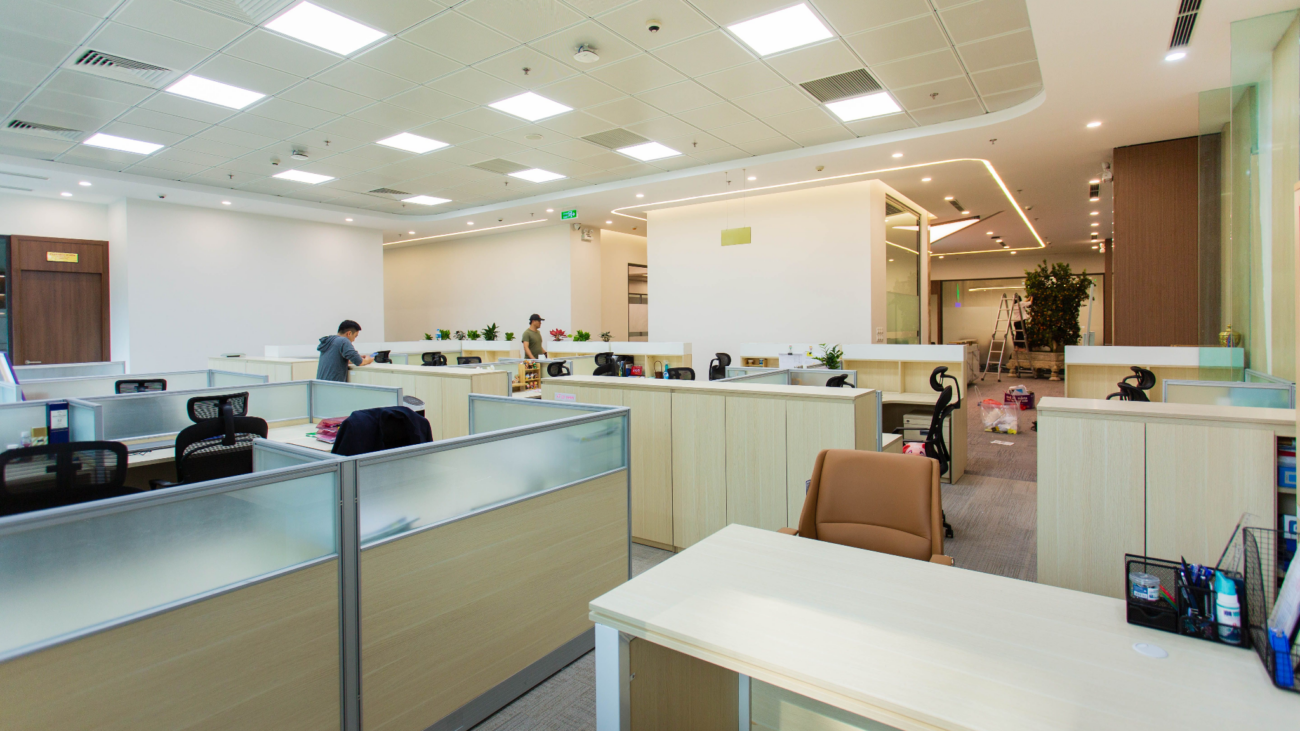
When starting your own startup, expanding your business, or moving your office from home, you will need to carefully consider what space you will be renting. Your choice will either shape your company’s growth or hold it back if it does not align with your operational needs. That’s why you need to consider various factors before making your selection.
Many business owners, however, rush the process and overlook critical details, and end up relocating sooner than expected. Before renting a commercial space, it is important to steer clear of the following common mistakes.
1. Not Defining Your Business Needs
When you don’t have a clear picture of what your company needs, it is easy to get distracted by attractive offices that do not support your operation. You will need to consider things like:
-
Number of employers who will be working
-
The type of work that will be conducted
-
Parking availability for both bikes and vehicles
-
Technology infrastructure
-
Storage needs
When you ignore these needs, you may end up with a space that is too large or too small, leading to unnecessary expenses. It can also reduce productivity and lead to high turnover. To avoid these mistakes, you will need to create a priority list to ensure you select a space that fits your business goals both now and in the years to come.
2. Failing to Seek Professional Advice
Commercial leases are complex and usually contain terms that can affect your business. You need to talk with a real estate agent or broker in the city you are considering. Without help from experts in the region, you may overlook important details related to:
-
Maintenance responsibilities
-
Renewal options
-
Early termination clauses
-
Interpret lease conditions
Exploring Investa commercial property leasing can also help you make an informed decision. Most real estate experts will help you compare different properties to choose one that fits your needs.
3. Ignoring the Total Occupancy Cost
Many entrepreneurs focus only on the rent, without taking into consideration other potential expenses, including utilities, maintenance, parking, internet, insurance, and office fit-out costs. All these can accumulate to add substantial figures to the monthly rental amount.
Ask for a detailed list of the costs associated with the office space you are interested in prior to signing a lease agreement. Carefully examine the operating expenses and inquire about future price increases to help you manage your budget accordingly and avoid sudden financial surprises that can eat up your cash flow.
4. Overlooking the Lease Terms and Conditions
A lot of business owners get carried away with the look and location of the office space and completely ignore the contract. It’s important to take time to read and fully understand it. It can contain restrictive clauses, significant penalties, long leases, short exit clauses, and even unexpected rent increases.
If this is your first time leasing a commercial office, it can be helpful to seek legal guidance from a skilled real estate lawyer for more clarification. They will ensure you understand the fine print and negotiate better terms to protect your business.
5. Getting Enticed with a Lower Price Only
It is tempting for businesses on a tight budget to choose an office that has a lower rate. However, it may become frustrating if the office is situated in an inconvenient part of the town. When your employees, customers, or suppliers find it challenging to access your office, it may lead to them leaving your business.
Make sure that the location you choose has easy access and is in proximity to other business amenities and transport links. The area should also align with your brand image. It is good to pay more if it ensures customer and employee satisfaction.
6. Neglecting Office Layout and Functionality
An office may appear pleasing in the photos, but it fails to actually cater to your business’s day-to-day operation. Poor layouts can hinder collaboration, lead to increased inefficiency, and cause various workflow issues. Unfortunately, some entrepreneurs don’t discover these until they’ve moved in.
You need to assess the space physically to ensure it is designed to meet the specific needs of your company. Keeping in mind simple things like lighting, ventilation, and privacy can help promote productivity.
Endnote
Renting office space requires you to take careful consideration of different aspects to ensure your business’s success in the new location. Avoiding the above common mistakes that many small businesses make, you will secure an office to support your business growth. A thoughtful approach from the start will prevent costly errors after you have signed the lease.